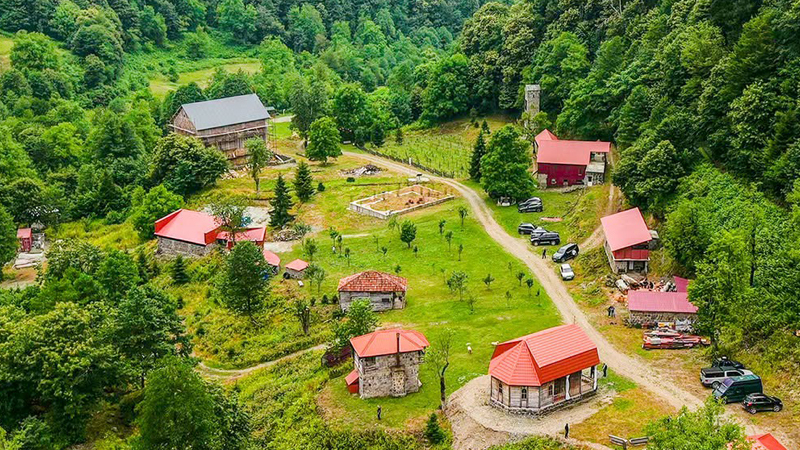
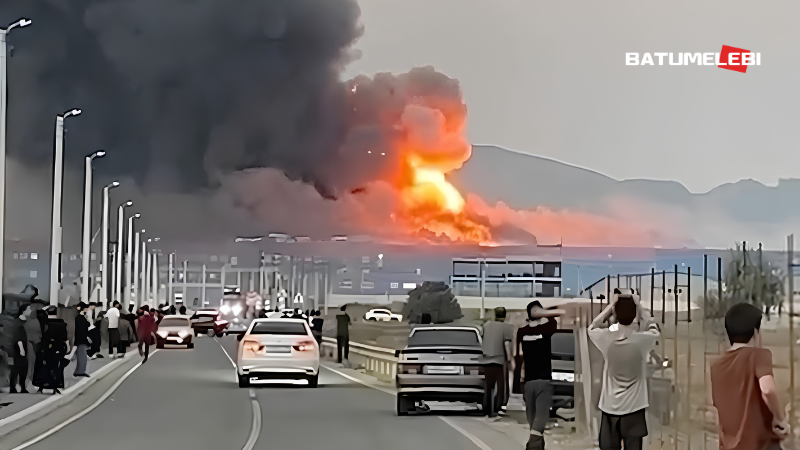
ქობულეთში დაგეგმილი „ხინოწმინდობა 2026“-ის ორგანიზების მომსახურების შესყიდვაზე აჭარის ბიუჯეტიდან 49 950 ლარი დაიხარჯება.
აჭარაში „ოცნების“ ხელისუფლების კულტურის სამინისტრო აცხადებს, რომ „ღონისძიების შეზღუდულ ვადებში შეუფერხებლად ჩატარების“ მიზნით აუცილებელია ფული ტენდერის გარეშე დაიხარჯოს და თანხმობის მისაღებად სახელმწიფო შესყიდვების სააგენტოს მიმართა.
ღონისძიება 2026 წლის 12 სექტემბერსაა დაგეგმილი ქობულეთის სოფელ ხინოწმინდაში.
სამინისტროს განაცხადის მიხედვით, „ხინოწმინდობა 2026“-ის ფარგლებში დაგეგმილია: „სადღესასწაულო წირვა და შემეცნებითი ექსკურსია ხინოწმინდის წმინდა იოვანე ნათლისმცემლის სახელობის მონასტერში. ასევე გაიმართება კონფერენცია – „პატრიარქი ილია II და საქართველო“ და აჭარაში არსებული კულტურული მემკვიდრეობის ძეგლების ამსახველი ფოტომასალის გამოფენა. ღონისძიების პროგრამა ითვალისწინებს დოკუმენტური ფილმის ჩვენებას, საზეიმო კონცერტსა და დაჯილდოების ცერემონიას“.
სამინისტრო გამარტივებული შესყიდვის აუცილებლობას იმით ასაბუთებს, რომ „აჭარის კულტურის სამინისტროში 2026 წლის 17 აგვისტოს შემოვიდა ა[ა]იპ „ქობულეთის მუზეუმის“ დირექტორის კორესპონდენცია, რომელიც ეხება მიმდინარე წლის 12 სექტემბერს ქობულეთის მუნიციპალიტეტში, სოფელ ხინოწმინდაში, ქრისტიანობის სახელმწიფო რელიგიად გამოცხადებიდან 1700 წლის იუბილესადმი მიძღვნილი საზეიმო ღონისძიების და სახალხო ზეიმის „ხინოწმინდობა 2026“-ის მხარდაჭერის საკითხს“.
სამინისტრო სააგენტოს უმტკიცებს, რომ ვინაიდან „ქობულეთის მუზეუმიდან“ წერილი 17 აგვისტოს მიიღეს, ტენდერის ჩატარება ვეღარ ესწრება.
თუმცა:
იმავე დღეს, 2026 წლის 17 აგვისტოს, მინისტრის მოვალეობის შემსრულებელს, ვლადიმერ მგალობლიშვილს კულტურის დეპარტამენტის შემოქმედებითი პროცესების განყოფილების უფროსი ნინო ლოსაბერიძე მოხსენებით ბარათს უგზავნის, სადაც წერს, რომ „აღნიშნული ღონისძიების განსახორციელებლად საჭირო თანხა შეადგენს 49 950 ლარს, საქართველოს კანონმდებლობით გათვალისწინებული ყველა გადასახადის ჩათვლით“.
მოხსენებითი ბარათიდან ჩანს ასევე, რომ სამინისტროში „ხინოწმინდობის“ დაგეგმვა-დაფინანსებაზე „ქობულეთის მუზეუმის“ 17 აგვისტოს წერილის შემდეგ არ დაუწყიათ მუშაობა.
„ხინოწმინდის ტერიტორიის გეოგრაფიული სიშორისა და რთული რელიეფური პირობების, ასევე არსებული მდგომარეობის ადგილზე შესწავლისა და შესაბამისი სამუშაოების მოცულობის განსაზღვრის აუცილებლობიდან გამომდინარე, სამუშაო ჯგუფის მიერ საჭირო გახდა ადგილზე ვიზიტი და დეტალური შესწავლითი სამუშაოების განხორციელება“, – წერს 17 აგვისტოს ლოსაბერიძე მგალობლიშვილს.
ამავე მოხსენებით ბარათში ლოსაბერიძე მგალობლიშვილს ასევე წერს, რომ:
„სოფელ ხინოწმინდაში პატიოსნისა და დიდებულისა წინასწარმეტყველისა, წინამორბედისა და ნათლისმცემლისა იოვანეს თავისკვეთის დღისადმი მიძღვნილი ღონისძიებების სახელმწიფოებრივი და საზოგადოებრივი მნიშვნელობის გათვალისწინებით და შეზღუდულ ვადებში შეუფერხებლად ჩატარების მიზნით, საჭიროა სსიპ სახელმწიფო შესყიდვების სააგენტოსაგან გამოთხოვნილ იქნას შესაბამისი თანხმობა. დანართის სახით წარმოგიდგენთ ხარჯთაღრიცხვას და ინვოისებს.“
სამინისტროს განაცხადს თან ახლავს ორი კომპანიის ინვოისი. ინვოისებით, რომლებიც 2026 წლის 17 აგვისტოთია დათარიღებული, ირკვევა, რომ შპს „ბეტა ივენთი“ სამინისტროს მომსახურებას 49 950 ლარად სთავაზობს. შპს „კონტური 2016“ კი – 60 300 ლარად.
ამ ყველაფრის მიუხედავად, სამინისტრომ ბაზრის კვლევაზე განცხადება შესყიდვების პორტალზე 18 აგვისტოს მაინც გამოაქვეყნა, რომელიც 21 აგვისტოს დასრულდა.
21 აგვისტოსვე გამოიცა მგალობლიშვილის ბრძანება „… 49 950 ლარის სახელმწიფო შესყიდვის გამარტივებული შესყიდვის საშუალებით განხორციელების შესახებ“. სამინისტრომ ამავე დღეს მიმართა სააგენტოს განაცხადით – გამარტივებული შესყიდვაზე თანხმობის მისაღებად.
შესყიდვების სააგენტოში განაცხადის განხილვის საბოლოო თარიღად 2026 წლის 26 აგვისტოა ჩანიშნული.
——-
ქობულეთის სოფელ ხინოს სახელი 2018 წელს შეუცვალეს და მას ხინოწმინდა ეწოდა.
საქართველოს სტატისტიკის ეროვნული სამსახურის საყოველთაო აღწერის მონაცემებით [2024 წლის 14 ნოემბრის მდგომარეობით], ქობულეთის სოფელ ხინოწმინდაში მხოლოდ 1 ადამიანი ცხოვრობს.
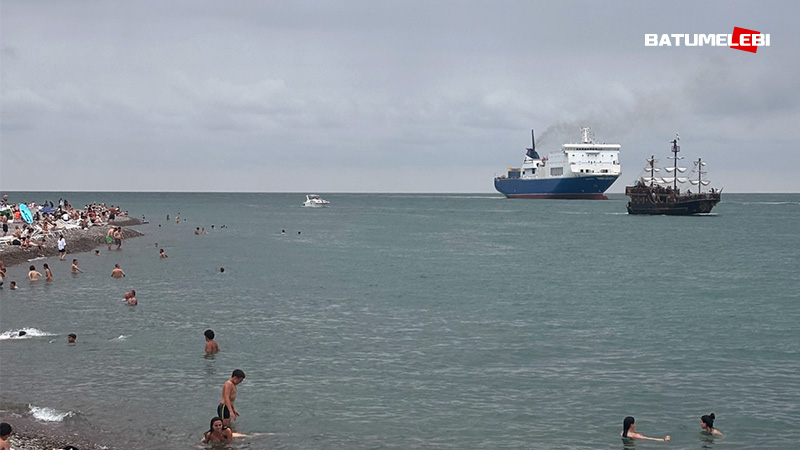
გარემოს ეროვნული სააგენტოს აჭარის რეგიონული ჰიდრომეტეოროლოგიური ობსერვატორიის ინფორმაციით, 26 აგვისტოს 21 საათიდან 27 აგვისტოს 21 საათამდე აჭარაში მოსალოდნელია ცვალებადი მოღრუბლულობა, ზოგან ხანმოკლე წვიმა.
იქროლებს ცვალებადი მიმართულების ქარი 10-15 მეტრი წამში.
ჰაერის ტემპერატურა სანაპირო ზოლსა და მთიან მუნიციპალიტეტებში:
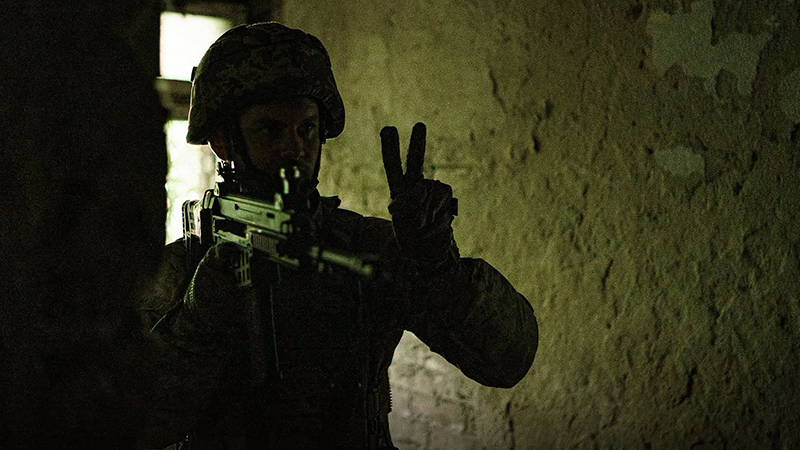
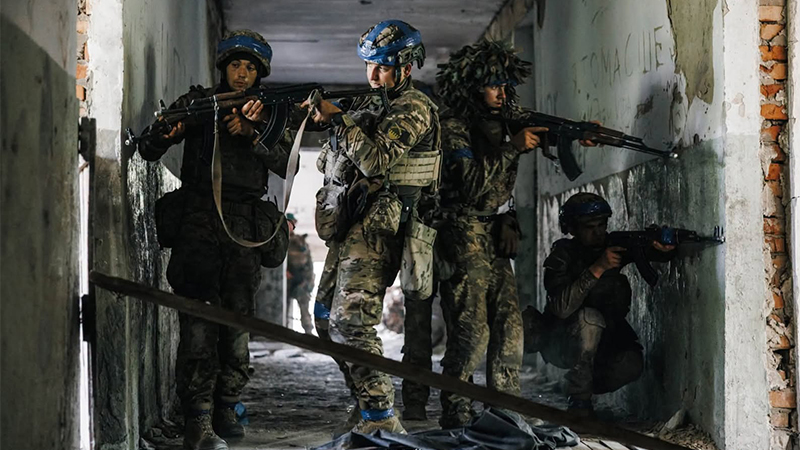
უკრაინის შეიარაღებული ძალების გენერალური შტაბის დღევანდელი მონაცემებით, ომის დაწყებიდან 2026 წლის 26 აგვისტომდე პერიოდში, რუსეთის არმიის საბრძოლო დანაკარგი არის:
ცოცხალი ძალა – დაახლოებით 1 480 750 ადამიანი [გასულ დღე-ღამეში +1 450. ამ მონაცემებში შედის როგორც დაღუპულები, ასევე დაჭრილები]
ტანკი – 12 300 ერთეული [+7]
ჯავშანტექნიკა – 25 230 ერთეული [+10]
საარტილერიო სისტემა – 48 641 ერთეული [+74]
MLRS – 2 062 ერთეული [+4]
საზენიტო საბრძოლო სისტემა – 1 588 ერთეული [+1]
თვითმფრინავი – 440 ერთეული [+0]
ვერტმფრენი – 354 ერთეული [+0]
უპილოტო საფრენი აპარატის ოპერატიულ-ტაქტიკური დონე – 481 605 ერთეული [+1 723]
სახმელეთო რობოტიზებული კომპლექსი – 2 387 ერთეული [+9]
გემი/ნავი – 35 ერთეული [+0]
წყალქვეშა ნავი – 2 ერთეული [+0]
მანქანები და საწვავის ავზები – 139 754 ერთეული [+533]
სპეცტექნიკა – 4 592 ერთეული [+10]
ფრთოსანი რაკეტა [ჩამოაგდეს] – 5 052 ერთეული [+0]
უკრაინის გენერალური შტაბის განცხადებით, საომარი მოქმედებების მაღალი ინტენსივობის გამო მონაცემები იცვლება.
უკრაინის სამხედრო დანაკარგებზე სტატისტიკური ინფორმაცია 2026 წლის 25 თებერვლის შემდეგ აღარ განუახლებია რუსეთს.
რუსეთის თავდაცვის სამინისტროს მიერ ტელეგრამ არხზე ბოლოს გავრცელებული მონაცემებით, ომის დაწყებიდან 2026 წლის 25 თებერვლამდე პერიოდში სულ განადგურებულია უკრაინის:
670 თვითმფრინავი
283 ვერტმფრენი
117 299 უპილოტო საფრენი აპარატი
651 საზენიტო სარაკეტო სისტემა
27 873 ტანკი და სხვა ჯავშანტექნიკა
1 674 მრავალჯერადი სარაკეტო გამშვები
33 474 საველე არტილერია და ნაღმმტყორცნი
55 252 სპეციალური სამხედრო მანქანა
ეს ის მონაცემებია, რომელსაც უკრაინა და რუსეთი ოფიციალურად ავრცელებენ, თუმცა ომის პირობებში შეუძლებელია ზუსტად გადამოწმება, რამდენად შეესაბამება მხარეების მიერ გავრცელებული ინფორმაცია დანაკარგების შესახებ რეალურ რიცხვებს.
ამასთან, აღნიშნულ მონაცემებთან ერთად რუსეთის თავდაცვა, უკრაინის და რუსეთის არმიის ცოცხალი ძალის საერთო დანაკარგების შესახებ სტატისტიკას არ აქვეყნებს. უკრაინის არმიის ცოცხალი ძალის დანაკარგების შესახებ მონაცემებს არ აქვეყნებს არც უკრაინა.
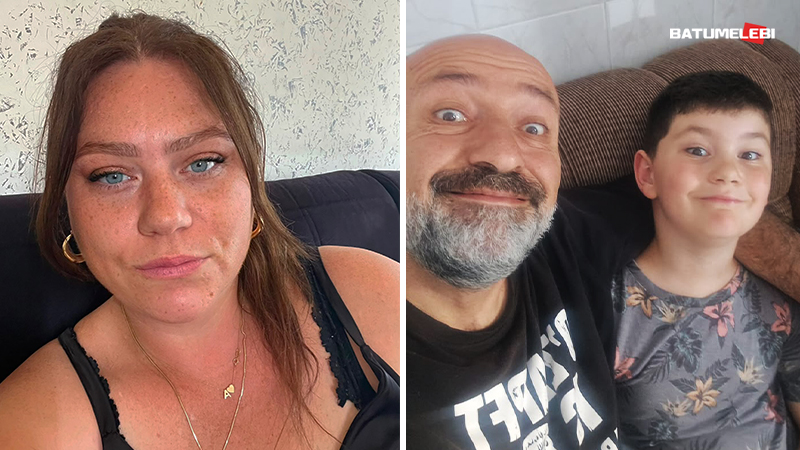
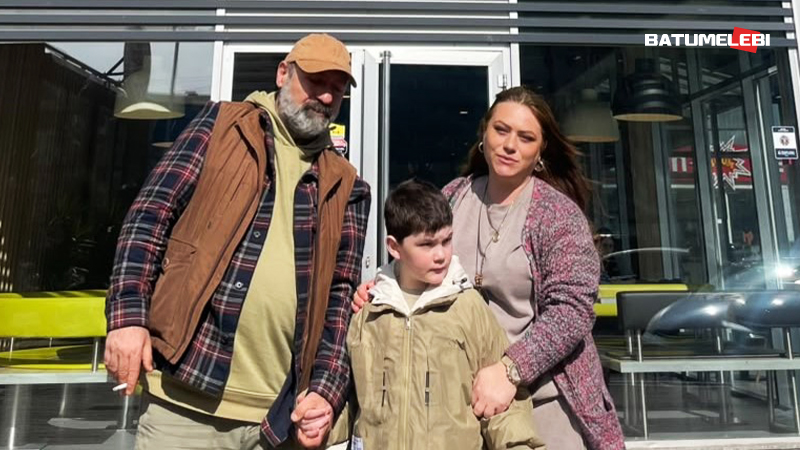
7 წლის აუტისტური სპექტრის მქონე ბიჭის, ალექსის მამა, თურქეთის მოქალაქე, ბიულენთ ბაქირელი საქართველოდან 12 აგვისტოს გააძევეს. როგორც მისი მეუღლე, საქართველოს მოქალაქე სოფო ასამბაძე-ბაქირელი გვეუბნება, ბიულენთ ბაქირელი მოულოდნელად აიყვანა პოლიციამ და ისე გააძევეს ქვეყნიდან, რომ მას ოჯახთან დაკავშირების შესაძლებლობა არ მისცეს.
„ჩემი მეუღლე, ფაქტობრივად 5 საათის განმავლობაში თავისუფლებაშეზღუდული იყო. მას არც ადვოკატთან და არც ჩემთან დაკავშირების საშუალება არ ჰქონდა. არც თურქეთის საკონსულოსთან დააკავშირეს.
როგორც შემდეგ გავიგე, ჩემი მეუღლე სამწლიანი დეპორტით და 3-ათასლარიანი ჯარიმით გაუძევებიათ საქართველოდან. თუმცა, ოფიციალურ დოკუმენტს დღემდე არ მაწვდის საემიგრაციო სამსახური, რომ მისი გაძევება გავასაჩივროთ“, – ამბობს „ბათუმელებთან“ საუბარში სოფო ბაქირელი.
სოფოს თქმით, ის და ბიულენთ ბაქირელი 8 წელია ოფიციალურ ქორწინებაში იმყოფებიან. საქართველოს მოქალაქეა მათი 7 წლის შვილი, ალექსიც, რომელსაც აუტისტური სპექტრი აქვს და დედის თქმით, ძალიან განიცდის მამასთან დაშორებას.
სოფო ამბობს, რომ სახელმწიფო უწყებებს ეს სპეციფიკური ფაქტორი – ბავშვის დიაგნოზი არ გაუთვალისწინებიათ მამის გაძევებისას.
„ჩემი შვილი ძალიან დამოკიდებულია მამაზე. მის გარეშე ვერ ძლებს. როგორც იცით, აუტისტური სპექტრის მქონე ბავშვებს განსაკუთრებული საჭიროებები აქვთ, მათთვის ძალიან მტკივნეულია გარემოს შეცვლა ან იმ ადამიანებისგან შორს ყოფნა, რომლებთანაც ცხოვრებას მიჩვეული არიან.
მამასთან დაშორების გამო ალექსი აგრესიულია, განიცდის, იზიანებს თავს. ხომ უნდა გაეთვალისწინებინათ ჩემი შვილის ასაკი და მამისგან უეცარი განშორებით გამოწვეული ფსიქოლოგიური და ემოციური მდგომარეობა? ასევე, სოციალური ფაქტორიც, რადგან ოჯახის მარჩენალი იყო ჩემი მეუღლე.
მე ვერ ვმუშაობ, რადგან მთლიანად ბავშვზე მიწევს ზრუნვა. არ მყავს ასისტენტი და ბუნებრივია, ჩემს შვილს მე ვუწევ დახმარებას. ბავშვის საუკეთესო ინტერესი კი სახელმწიფომ საერთოდ არ გაითვალისწინა და ასეთ გამოუვალ მდგომარეობაში ჩამაგდო“, – გვეუბნება სოფო ბაქირელი.
სოფო ოჯახთან ერთად ბათუმში, მეჯინისწყალზე, ნაქირავებ ბინაში ცხოვრობს. ბინის ქირას მეუღლე იხდიდა. ქალი ამბობს, რომ ახლა, შესაძლოა, ეს ბინაც დაკარგოს.
„ბინის მეპატრონეების დიდი ნაწილი არ თანხმდება აუტისტური სპექტრის ბავშვის მიღებას, რადგან ალექსი ხშირად ტირის, ყვირის და თურმე ამის გამო წუხდებიან ადამიანები. კამათიც კი მქონია ამის გამო მეზობლებთან. მე ხომ არ მინდა, რომ ჩემს შვილს ასეთი ქცევა ჰქონდეს?!
აქ ეზო გვაქვს, ალექსი გარეთ გადის და მეპატრონეც ძალიან გვიწყობს ხელს. ამიტომ არ მინდა, რომ ეს ბინა დავკარგო ქირის გადაუხდელობის გამო. მეც ხომ უნდა ვიყო მშვიდად, რომ შვილი გავზარდო. მე კი არ ვარ მშვიდად, ვერ ვარ. ვალდებული იყვნენ ჩემთვის დაერეკათ, გავეფრთხილებინე, რომ მეუღლეს გამიძევებდნენ.
ცხელ ხაზზე დავრეკე სახალხო დამცველის ოფისში და ვითხოვე სამართლებრივი დახმარება, მაგრამ უარი მითხრეს, გაძევების საკითხები ჩვენ არ გვეხებაო.
მეუღლეს ხელი მოაწერინეს იძულებით დოკუმენტზე, მოატყუეს სამ დღეში დაგაბრუნებენო, არ აუხსნეს, არ განუმარტეს ნათლად. გაგიჟებულია კაცი ისე განიცდის ბავშვთან დაშორებას.
იქაც კი არავინ ჰყავს, რომ დაეხმაროს. ჯამეში ათენებს ღამეებს. ტანზე რაც ეცვა, იმით გააძევეს ადამიანი და არც კი მისცეს შესაძლებლობა, ბინადრობის საკითხები მოგვეგვარებინა.
რა ვქნა ახლა, ივანიშვილი გადამიხდის ქირის ფულს და შვილს გამომიკვებავს? თუ ბავშვის 80-ლარიანი პენსიით შევძლებ მისი საჭიროებების დაკმაყოფილებას“, – ამბობს სოფო.
ალექსი წელს სკოლაში შედის, მას პირველ კლასში წასვლა მამის გარეშე მოუწევს.
„თურქეთშიც ვერ წავალ, რადგან არც იქ გვაქვს ჩვენი საკუთარი საცხოვრებელი. მე ამ ქვეყნის მოქალაქე ვარ და ჩემი შვილიც აქ არის დაბადებული. ალექსი ისედაც ვერ ეგუება გარემოს გამოცვლას, ძალიან მტკივნეულია მიჩვეული გარემოს უეცარი ცვლილება მისთვის. თანაც ახლა, ძლივს ქართულად ამბობს სიტყვებს და უცხო გარემოში, სხვა ენაზე რომ დაიწყოს კომუნიკაცია, მისთვის ახალი სტრესი იქნება“, – გვეუბნება სოფო.
ქალი ამბობს, რომ მისი მეუღლე, ბიულენთ ბაქირელი ბათუმში რესტორან „ზარინაში“ მუშაობდა მზარეულად და ასე ინახავდა ოჯახს.
„რესტორანში რა თანხაც ჰქონდა ასაღები, იმასაც აღარ გვაძლევენ. არ ვიცი რა უნდა უნდა ვქნა, რითი გადავიხადო ბინის ქირა, როგორ გამოვკვებო შვილი. მარტოხელა ვარ, არავინ მყავს ახლო ნათესავი.
მშობლებმა ჯერ კიდევ პატარა ასაკში მიმატოვეს და აღარ მაქვს მათთან ურთიერთობა. ასე გამოვიარე მძიმე და რთული ცხოვრება. ახლა კიდევ ასეთ მდგომარეობაში აღმოვჩნდი“, – გვეუბნება სოფო.
მისი თქმით, ბათუმში შსს-ს საემიგრაციო სამსახურში როცა მიდის, არავინ ხვდება. „არ მცემენ პასუხს არაფერზე. მაინტერსებს, რის საფუძველზე გააძევეს ჩემი მეუღლე ქვეყნიდან და მე და ჩემი შშმ შვილი რატომ დაგვტოვეს მარჩენალის გარეშე.
მინდა, რომ ჩემი შვილის მამა, ჩემი მეუღლე დააბრუნონ საქართველოში, რომ ჩვენზე ზრუნვა შეძლოს. ნუ დააზიანებენ ჩემი შვილის ფსიქიკას და ჯანმრთელობას“, – ამბობს სოფო ბაქირელი.
მისი თქმით, ბიულენთ ბაქირელი 2022 წლის 22 დეკემბერს კანონიერად შემოვიდა საქართველოში სარფის სასაზღვრო პუნქტზე თურქეთის რესპუბლიკის პირადობის დამადასტურებელი დოკუმენტით და მას შემდეგ აქ იმყოფებოდა ოჯახთან.
„მანამდე გადადიოდა და შემოდიოდა ხოლმე. თუმცა შეეძლოთ გაეთვალისწინებინათ ჩვენი ოჯახის სპეციფიური მდგომარეობა და მიეცათ ჩემი მეუღლისთვის ოჯახთან ყოფნის შესაძლებლობა. არ გაითვალისწინეს“, – ამბობს სოფო ბაქირელი.
„ბათუმელები“ დაუკავშირდა შსს-ს მიგრაციის დეპარტამენტს და ჰკითხა, რის საფუძველზე გააძევეს ბიულენთ ბაქირელი საქართველოდან და რატომ არ გაითვალისწინა საემიგრაციო სამსახურმა ის გარემოება, რომ მას საქართველოში ოჯახი ჰყავს – შვილს კი განსაკუთრებული საჭიროებები აქვს?
ასევე ვკითხეთ, რატომ არ აძლევს სოფიო ბაქირელის საემიგრაციო ცნობას, რომ მისი მეუღლე დეპორტირებულია ქვეყნიდან?
საემოგრაციო სამსახურს ჯერჯერობით კომენტარი არ გაუკეთებია.
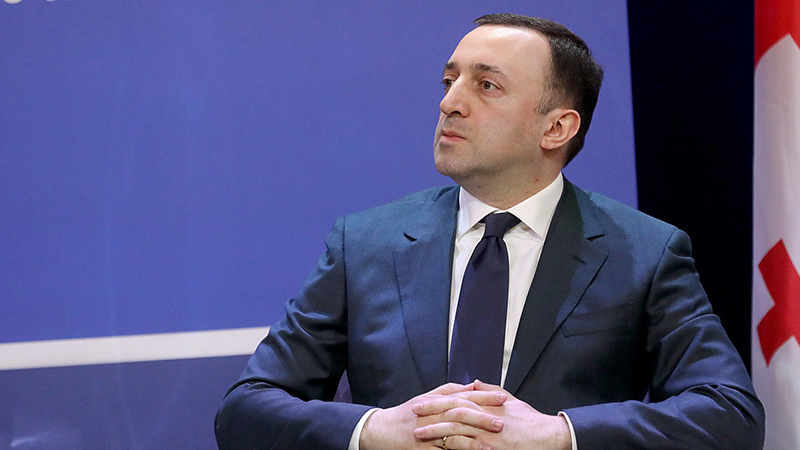
Former Prime Minister Irakli Garibashvili has released another letter from prison, saying he sees no point in attending court hearings because he considers the latest criminal case against him to be a political process.
Garibashvili describes the proceedings against him as a political farce and says that, at this point, his only path forward and his only weapon in the fight is the truth.
“Yesterday, the authorities themselves confirmed the authenticity of the letter I published last week. I want to tell the public once again that I tried everything and did everything possible to avoid this process, but I found myself facing a brutal reality.
This is a ruthless political struggle, injustice and evil directed against me. I no longer intend to take part in this shameful political farce that is an insult to our country. Accordingly, I will not participate in the court proceedings either. My interests will be represented and defended solely by my lawyers.
I would also like to make it clear that this decision of mine is not intended to insult anyone — neither the prosecutors nor the judges. I simply see no point in attending court hearings and becoming involved in a political farce when this is a political process and I know what controls the political process within the system and how it is controlled,” Garibashvili said.
Garibashvili also says he is no longer interested in which “prisoner/hostage” will testify against him under pressure. He is apparently referring to former Defence Minister Juansher Burchuladze, who is currently in custody. According to the Prosecutor’s Office, Burchuladze cooperated with the investigation before Garibashvili was charged with a new corruption-related offence.
“I am no longer participating in your spectacle! I am no longer interested in what you will make any prisoner/hostage say about me through psychological and moral pressure, or what charges you will bring against me.
What was going to happen has happened. Therefore, my only path and my only weapon in this fight is my truth. I intend to speak publicly to society and tell them my truth. Let the people judge!” Garibashvili said.
Today, August 25, former Prime Minister Irakli Garibashvili did not attend the court hearing in the new corruption case brought against him. None of his family members attended the hearing either.
A preliminary hearing in the corruption case has been scheduled for October 19 at 11 a.m. The decision was made by Judge Pikria Sikturashvili following a motion by the Prosecutor’s Office. The prosecutor in the case is Ani Lekiashvili.
The Prosecutor’s Office alleges that, in connection with a public procurement process at the Defence Ministry, Irakli Garibashvili and then-Defence Minister Juansher Burchuladze accepted bribes of 750,000 lari each.
Garibashvili denies the charges, maintains that he is innocent and considers himself a political prisoner.
Former Prime Minister Irakli Garibashvili has been charged with a new offence — accepting a large bribe.
According to the Prosecutor’s Office, former Defence Minister Juansher Burchuladze cooperated with the investigation in the case.
The article under which Garibashvili has been charged carries a prison sentence of between 11 and 15 years.
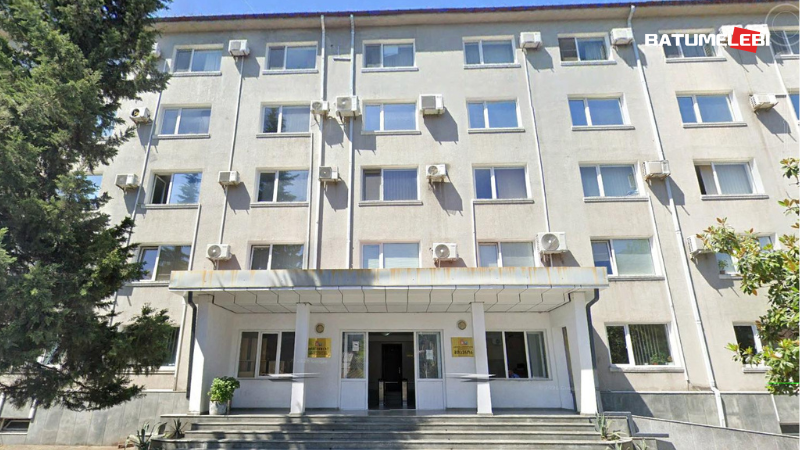
ბათუმში, მამია კომახიძის და გრიბოედოვის ქუჩების კვეთაში მდებარე აჭარის მთავრობის შენობაში სამი სამინისტრო: ჯანდაცვის, ეკონომიკის და სოფლის მეურნეობის აღარ დაგხვდებათ. ადმინისტრაციულ შენობას სამივე სამინისტროს თანამშრომლები ცლიან. ისინი სხვადასხვა შენობაში ნაწილდებიან.
„ეს შენობა ავარიულია, შენობის დაცლა დაწყებულია… განიხილება ალტერნატივები,“ – უთხრეს დღეს, 25 აგვისტოს „ბათუმელებს“ აჭარაში „ოცნების“ მთავრობის ადმინისტრაციის პრესცენტრში. აქ დაგვიდასტურეს ინფორმაცია, რომ სამინისტროები სხვადასხვა მისამართზე განაგრძობენ მუშაობას დროებით.
აჭარის მთავრობაში ამ ეტაპზე ვერ გვითხრეს, გამაგრებითი სამუშაოების შემდეგ მამია კომახიძის ქუჩაზე მდებარე შენობას დაუბრუნდებიან თუ არა სამინისტროები. პრესცენტრის განმარტებით, ეს „ექსპერტიზის კონკრეტულ დასკვნაზე იქნება დამოკიდებული“.
პირველი სექტემბრიდან აჭარის ჯანდაცვის სამინისტრო რუსთაველის ქუჩაზე, სამშობიაროს შენობაში გადავა. ეს შენობა აჭარის ფინანსთა და ეკონომიკის სამინისტროს ბალანსზეა და 2013 წლიდან იჯარით იყო გადაცემული „ბათუმის სამშობიარო სახლისთვის“.
2026 წელს ამ ორგანიზაციას იჯარა აღარ გაუფორმეს და უთხრეს, რომ სამშობიარო სახლის შენობას აუქციონზე გაასხვისებენ. ამ დრომდე არც ისტორიული სამშობიაროს სახლი გაუტანიათ აუქციონზე და არც იჯარა გაუფორმებიათ შპს „სამშობიარო სახლთან“, სადაც სამშობიაროს ყოფილი 110 თანამშრომელია გაერთიანებული.
დღეისთვის სამშობიაროს შენობის მხოლოდ ნაწილს იყენებს შპს „სამშობიარო სახლი“ ამბულატორიული და საკონსულტაციო განყოფილებებისთვის.
აჭარის მთავრობის პრესცენტრში გვითხრეს, რომ ჯანდაცვის სამინისტროს რამდენიმე სამსახური – სამშობიაროს შენობის გარდა – დროებით გადავა ბათუმის რესპუბლიკური საავადმყოფოს, ასევე დასაქმების სააგენტოს შენობებში.
აჭარის სოფლის მეურნეობის სამინისტრო დროებით თავის საქვეუწყებო დაწესებულებებში გადაიბარგებს: გარემოს დაცვის სამმართველოს და აგროსერვისცენტრის ადმინისტრაციულ შენობებში.
ფინანსთა და ეკონომიკის სამინისტრო კი, დროებით ისევ მამია კომახიძის ქუჩაზე რჩება – მთავრობის შენობის მიმდებარე ტერიტორიაზე, სხვა შენობაში, რომელსაც საფრთხე არ ემუქრება. აჭარის მთავრობის ადმინისტრაციის პრესცენტრის ინფორმაციით, აჭარის ეკონომიკის სამინისტრო „ბათუმის სტადიონის“ ადმინისტრაციულ შენობაშიც განაგრძობს მუშაობას.
აჭარის მთავრობაში ადასტურებენ, რომ სხვადასხვა შენობაში გადანაწილების პროცესის დასრულებამდე თანამშრომლების ნაწილი დისტანციურ რეჟიმში მუშაობს.
მამია კომახიძის ქუჩაზე მდებარე მთავრობის შენობის ავარიულობაზე ექსპერტიზამ დასკვნა 2026 წლის ივლისში მოამზადა.
სამშენებლო დგარებით შენობის დროებით გამაგრებაში აჭარის ფინანსთა და ეკონომიკის სამინისტრო 17 874 ლარს გადაიხადა უტენდეროდ – გადაუდებელი აუცილებლობით. ხელშეკრულება კომპანია „ანაგთან“ გაფორმდა, რომლის მიხედვითაც ამ შენობის გამაგრებითი სამუშაოები 2026 წლის პირველი აგვისტოდან უკვე დაწყებული უნდა იყოს.
აღსანიშნავია, რომ აჭარის მთავრობის ახალი ადმინისტრაციული შენობის პროექტის მომზადებაში 542 800 ლარი დახარჯა სამინისტრომ, თუმცა, უკვე მერვე წელია მთავრობა მის განხორციელებას არ გეგმავს.
„ჯერჯერობით ბირთვული შეკავება მუშაობს და ამ ზღვარზე რაღაცნაირად არ ვართ მისული… მეორე მხრივ, არაფრისგან არ ვართ დაცული. რა წამში შეიძლება გამწვავდეს და ესკალაცია მოხდეს ამ პროცესების, ეს ძნელი სათქმელია,“ – ამბობს შორენა ლორთქიფანიძე, იგიბირთვული გაუვრცელებლობის და უსაფრთხოების პოლიტიკისექსპერტია.
რა იცვლება ბირთვული სახელმწიფოების ბირთვულ არსენალში და რამდენად იცავს რუსეთი ამ კუთხით არსებულ საერთაშორისო შეთანხმებებს? – „ბათუმელებმა“ ინტერვიუჩაწერაშორენალორთქიფანიძესთან, იგიარისქსელის „შავიზღვისრეგიონისქალებიბირთვულუსაფრთხოებაში“ [Black Sea Women in Nuclear] დამფუძნებელი, „თავდაცვის და უსაფრთხოების სამოქალაქო საბჭოს“ გამგეობის წევრი.
ქალბატონოშორენა, რაინფორმაციაარსებობსრუსეთისბირთვულიარსენალის ტექნიკურ მდგომარეობაზე?არსებობსსხვადასხვავერსია, რომრუსებიარხარჯავენსათანადორესურსსბირთვულიქობინებისგანახლებასადაშენახვაზე. Arms Control Association-ისბოლომონაცემებით, რუსეთში 5400-დან 1020 ქობინიდემონტაჟსელოდება.
არამხოლოდრუსეთს, არამედსხვა ბირთვულ სახელმწიფოებსაცაქვსმოძველებული ბირთვული იარაღის მარაგები. ბირთვულარსენალსსჭირდებამუდმივიგანახლება. მოძველებულისგანახლებაშიინვესტირება, როგორც წესი, ნაკლებად ხდება.
მოგეხსნებათ, რუსებსდაამერიკელებსმსოფლიოსბირთვულიიარაღისარსენალის 86% აქვთგანკარგულებაში.თურუსეთი, ვითარებიდან გამომდინარე,დააპირებსბირთვულიიარაღისგამოყენებას, გამოყენებული იარაღის რაოდენობასაღარაქვსმნიშვნელობა. ისდამანგრეველიძალა, შიში, უბედურება, რაც მასმოჰყვება, ნებისმიერშემთხვევაში,იქნებაკატასტროფულიშედეგებისმომტანი.
შორენა ლორთქიფანიძე
რუსეთსსაკმაოდდიდიბირთვული არსენალი აქვს, უკვე მოძველებული საბჭოთა კავშირის დროინდელი. ამ იარაღის შემთხვევაში პრობლემამარტომოძველებაარარის, როგორცწესი, თანამედროვე იარაღის მზიდიტექნოლოგიები შეუთავსებელია ძველ ტექნოლოგიებთან.
უნდა აღინიშნოს, რომ ეს პროცესი ეხება ყველა ბირთვულ სახელმწიფოს. რუსეთის და ამერიკის გარდა ესენია: ჩინეთი, საფრანგეთიდადიდიბრიტანეთი. ბოლოპერიოდშიშეინიშნებაჩინეთშიბირთვულიიარაღისძალიანსწრაფიგანვითარებადაბირთვულიარსენალისგამრავლება.
რომნახოთმონაცემები, ორი–სამიწლისწინ ჩინეთში 200, 250, 300 ერთეული ბირთვული ქობინი იყო რეგისტრირებული. ჩინეთიერთ–ერთშემაკავებელფაქტორადმიიჩნევაბირთვულიუსაფრთხოებისსფეროში. ჩინეთიბირთვული ესკალაციის წინააღმდეგია, რაც არაერთხელ აღინიშნა ჩინეთის ლიდერის განცხადებებში.
გაეროსუშიშროებისსაბჭოსწევრიქვეყნებისგარდა, ზოგიერთიწყაროსმონაცემებით, ისრაელი ფლობს ბირთვული იარაღს,ისრაელიარაფერსადასტურებს. ამას ბირთვული ბუნდოვანების პოლიტიკა ეწოდება.
ბირთვულიიარაღიაქვსასევეპაკისტანს, ინდოეთსდაჩრდილოეთკორეას, ეს ქვეყნები არ არიან ბირთვული გაუვრცელებლობის შეთანხმების წევრები ამჟამად. რასაკვირველია, ვიცით, რომირანსესამბიციაჰქონდადაახლა მისი გეგმებიდიდიკითხვისნიშნისქვეშ დგას, აშშ სამხედრო ოპერაციების შედეგად ირანში, რომელიც ჯერ კიდევ 2025 წლის დაიწყო ბირთვული ობიექტებზე სამხედრო იერიშის მიტანით.
მნიშვნელოვანიგარემოებაარუსეთისბირთვულიდოქტრინა, რომელიც,სხვათაშორის, 2024 წელსგანაახლეს. ე.წ. ზღვარი, თუროდისშეიძლებაბირთვული იარაღის გამოყენება თავდაცვის მიზნებისთვის,ოდნავდაწეულია. ახალი დოქტრინის მიხედვით, რუსეთს შეუძლია თავდაცვის მიზნით გამოიყენოს ბირთვული იარაღი, თუ საფრთხე ექმნება სახელმწიფო სუვერენიტეტს დათუ რუსეთისფედერაციისწინააღმდეგგანხორციელდააგრესიაჩვეულებრივი [კონვენციური]იარაღისგამოყენებით, რომელიცსაფრთხესუქმნისთვითსახელმწიფოსარსებობას.
დოქტრინაში ასევე საუბარია ბირთვულ დარტყმასთან გათანაბრებულ სცენარებზე.ბირთვულიიარაღისგამოყენებადასაშვებიაიმშემთხვევაშიც, თუმიღებულიასანდოინფორმაციარუსეთისმიმართულებითბალისტიკურირაკეტებისგაშვებისშესახებ. წითელი ხაზია კრიტიკულ ობიექტებზე თავდასხმა, რუსეთისსტრატეგიულიბირთვულიძალებისანმართვისპუნქტებისმწყობრიდანგამოყვანისმცდელობა.
დოქტრინა საუბრობს ე.წ. მხარდაჭერილ აგრესიაზე. აგრესიაბირთვულიიარაღისარმქონესახელმწიფოსმხრიდან, რომელსაცმხარსუჭერსანეთანამშრომლება ბირთვულიარსენალისმქონერომელიმესახელმწიფო. ესპუნქტიგანსაკუთრებითგაფართოვდადასავლურიშეიარაღებითკონფლიქტებისფონზე.
რომ შევაჯამოთ: კონვენციურიომიდაარაბირთვულითავდასხმა – რომელიცდაემუქრებარუსეთისსასიცოცხლოინტერესებს, ესეცშეიძლებაბირთვულიიარაღისგამოყენების „ალარმი“, ანუგანგაშისჩართვისსაფუძველიგახდეს.
მაგალითად, უკრაინარომრუსეთისტერიტორიაზეახერხებსწერტილოვანდარტყმებს, ამდოქტრინისმიხედვითდარუსეთისლოგიკითშეიძლებაგახდესბირთვულიიარაღისგამოყენებისსაფუძველი?
თუმცა, როდესაცვსაუბრობთრუსეთზე, უნდავიცოდეთ, რომესეცძალიანსუბიექტურია: რამომენტშიშეიძლებაგააქტიურდესბირთვულიიარაღისსაკითხი, არაპროგნოზირებადია.
სხვათაშორის, ბირთვულიიარაღის და დაპირისპირებისმკვლევრებიპარიზის „Sciences Po“ უნივერსიტეტიდან აღნიშნავენ, რომ თუაქამდეავირიდეთ ბირთვულიიარაღის გამოყენება, ეს მხოლოდ გამართლება იყო. სტრატეგიის ექსპერტები აღნიშნავენ, რომბირთვულ იარაღი ჯერ კიდევ წარმოადგენს შემაკავებელ ფაქტორს.
უკრაინელიექსპერტებიასევე მიიჩნევენ, რომ „ბირთვულიშეკავება“ ჯერჯერობითმუშაობს.
გუშინუკრაინისდამოუკიდებლობისდღისაღსანიშნავადმთელიდასავლეთისლიდერებიჩავიდნენუკრაინაში. უკრაინამბრიტანეთისგან და სხვა დასავლელი ლიდერებისაგანმნიშვნელოვანისამხედრო დახმარების დაპირებებიმიიღო. რუსეთისთვის ესეც შესაძლოა გახდეს „განგაშის“ საფუძველი.
ის, რომუკრაინასდასავლეთიაწვდისთანამედროვესამხედროტექნიკას, ესზრდისბირთვულიესკალაციისსაფრთხეს?
დასავლეთისესერთიანობა, უკრაინისდახმარების კონტექსტშიარისმანევრირებისპოლიტიკის ნაწილი. ესგარკვეულიქმედებებისერთობლიობა, რომელიცმოწინააღმდეგემხარესგარკვეულნაბიჯებსგადაადგმევინებს. შეიძლებაესიყოსდათმობა, სტრატეგიისცვლადაასეშემდეგ.
ესისსფეროა, სადაცრუსეთიმონაწილეობსდაამბობს, რომ წესებსიცავს, თუმცა, რაცგააკეთაჩერნობილისექსკლუზიურზონაში, როგორდატოვესიქაურობა რუსეთის ძალებმა ოკუპაციის შემდეგ, ესყველამვნახეთ.
შემდეგიყოზაპოროჟიესბირთვულიენერგეტიკული ობიექტი, რომლის ოკუპირება რუსეთ–უკრაინისომისდაწყებიდანმალევემოხდა.დღესზაპოროჟიეს ელექტრო სადგურსაკონტროლებსრუსეთი, თუმცაიქუკრაინელებიცმუშაობენ. 12 000 თანამშრომლიდან დღეს 2000-მდე უკრაინელი ჯერ კიდევ ემსახურება ობიექტს.
ატომურიენერგიისსაერთაშორისოსააგენტო (IAEA), რომელიცგაეროსერთ–ერთისააგენტოა, ცდილობს, აკონტროლოსდაზედამხედველობაგაუწიოსბირთვულიგაუვრცელებლობისხელშეკრულებისშესრულებასმსოფლიოში, ასევე, ბირთვულიუსაფრთხოებისდაბირთვულიობიექტებისდაცულობისსაკითხებს.
ესორგანიზაციადამისილიდერი – რაფაელგროსი, რომელიცსხვათაშორის, ახლაწარდგენილიაგაეროსგენერალურიმდივნისპოზიციაზე, რუსეთის აგრესიის დაწყების დღიდან ჩართულია ობიექტებზე რადიაციული უსაფრთხოების მონიტორინგის პროცესში, ატომური ენერგიის საერთაშორისო სააგენტოს ექსპერტები და ინსპექტორები ყოველდღიურ რეჟიმში აკვირდებიან პროცესს, რასაკვირველია, უკრაინული და რუსული მხარეების თანხმობით.
სწორედ ამ მისიის დამსახურებაა, რომ ყოველდღიურ რეჟიმში გვაქვს ინფორმაცია იმის შესახებ, თურავითარებააზაპოროჟიესსადგურზე.
რუსეთის ბირთვული ობიექტების ომის იარაღად გამოყენების ქმედება შეფასებულია, როგორც ბირთვული შანტაჟი. ეს ტერმინი სწორედ, რუსეთის აგრესიული ქმედებებს აღწერს, რომელიც არა მარტო უკრაინის, არამედ მთელი რეგიონის რადიაციულ უსაფრთხოებას უდიდესი გამოწვევის წინაშე აყენებს.
ჩვენ ყველას კარგად გვახსოვს ჩერნობილის ატომური კატასტროფა, სისტემის კრახი, რომელმაც უდიდესი ზიანი მოიტანა და ბირთვული დიდი ინციდენტის შედეგებს დღესაც ვიმკით. უკრაინის ოკუპირებული ბირთვული ელექტროსადგურის ოკუპაცია და სამხედრო მოქმედებები მის გარშემო, ზრდის რადიაციული ინციდენტის ალბათობას.
დღესრახდებაზაპოროჟიესსადგურზე, რაარისცნობილი?
ატომურიელექტროსადგური, რომელიცთავისდროზეექვსბლოკსამუშავებდა, დღეს შეზღუდულ რეჟიმში მუშაობს. სადგურისგარშემოომიმიმდინარეობსფაქტობრივად. სერიოზულიპრობლემებია, მაგრამროგორცგითხარით, ჩართულიადამოქმედებსსაერთაშორისომონიტორინგისდაინსპექტირებისმექანიზმი. ატომურიენერგიისსაერთაშორისოსააგენტოსდარუსეთსშორისინფორმაციისგაცვლახდება, თუმცა ეს ძალიან რთული და დაძაბული პროცესია.
მეორემხრივ, არაფრისგანარვართდაცულიდარაწამშიშეიძლებაგამწვავდესვითარება, ესძნელისათქმელია. იგივეკახოვკისწყალსაცავისაფეთქებასერიოზულისაფრთხეიყო, რადგანატომურისადგურისთვისუმნიშვნელოვანესიაწყლისმარაგიდაგაგრილებისსისტემებისგამართულიმუშაობა. რუსეთი ფაქტობრივად ბირთვულ შანტაჟს ეწევა, ატომური ობიექტების ინსტრუმენტალიზაციით და დაშინებით.
ბირთვულისფეროშირუსეთთანთანამშრომლობენწამყვანიქვეყნები, რომლებიცბირთვულენერგიასაწარმოებენ. ჩვენსმეზობელსთურქეთშიც „აქუიუს“ ატომურიელექტროსადგურირუსებისროსატომის მიერ სრულიად კონტროლირებადი ობიექტია.რუსულურანზედასხვამასალებზებევრიქვეყანაისევარის დამოკიდებული.
რაცშეეხებაკონკრეტულადბირთვულშეკავებას – ჯერჯერობითშეკავებამუშაობს, მიუხედავად, როგორც თავად რუსები მიიჩნევენ, ბევრჯერ გადალახული წითელი ხაზებისა.
რუსეთ-უკრაინის ომის დროს, რუსების აზრით, რამდენჯერმეგადაილახაწითელიხაზირუსეთთან მიმართებაში. 2022 წელსმუდმივადიყოსაუბარი, რომრუსეთსშეეძლოგამოეყენებინატაქტიკური ბირთვულიაიარაღი, რადგანუკრაინამმიიღოახალიდაძალიანძლიერიშეიარაღებაომისსაწარმოებად. შემდეგიყოუკრაინელებისმიერდრონებისძალიანსერიოზულიათვისება. გუშინვნახეთკიდეცკიევშიათასობითუპილოტოდრონისდარობოტისდემონსტრირება.
ამასგარდა, უკრაინამუგულებელყომოსკოვისგაფრთხილებადასერიოზულადდააზიანარუსეთისშავიზღვისფლოტისერთ–მესამედზემეტი. 2024 წლისკურსკისწარმატებულიოპერაციაცრუსეთმაპროვოკაციადშეაფასა – ესფაქტებიშეიძლებაყოფილირუსეთისთვისე.წ. წითელიხაზი, მაგრამ, როგორც ვხედავთ,ბირთვულიიარაღისგამოყენებაგანიხილებამართლაც, როგორცუკიდურესიზომა.
რუსეთ–უკრაინისომმა სამხედრო მრეწველობის განვითარება და მოდერნიზაცია გამოიწვია, ომმა ძალიანდიდისტიმულიმისცაუკრაინის თავდაცვითიშესაძლებლობების განვითარებას,ახალიიარაღისგანვითარებას. ამშეიარაღებასუკვეკონვენციურიომისფარგლებშიშეუძლიამასშტაბურიზარალიგამოიწვიოს.
ასევე მნიშვნელოვანი ფაქტორია ის, რომ, მაგალითად, ჩინეთი, რომელიც რუსეთის მოკავშირედ განიხილება, არ მიესალმება ბირთვულ ესკალაციას და აფრთხილებს კიდეც მხარეებს და რუსეთს, განსაკუთრებით, ამის შესახებ.
თანამედროვე სამხედრო და ომის წარმოების ტექნოლოგიებმა სრულიად სხვა დონეზე აიყვანა კონვენციური ომი. ამ ტექნოლოგიური ნახტომის პირობებში, როდესაც ფაქტობრივად ყოველდღიურ რეჟიმში აახლებენ სისტემებს, ბირთვული იარაღის გამოყენების აუცილებლობა მეორეხარისხოვანი გახადა.
კონვენციური ტექნოლოგური ომი გრძელდება – უკრაინა სერიოზულ წარმატებებს აღწევს ამ ბრძოლაში, თუმცა რუსეთის მხრიდანაც ვხედავთ საპასუხო ქმედებებს. ამიტომაც, დღეს, ამ მომენტში ბირთვული იარაღის გამოყენების პირდაპირი საფრთხე არ დგას, თუმცა რადიოლოგიური უსაფრთხოება კონვენციური ომის პირობებში სერიოზული გამოწვევის წინაშეა.
საქართველოში საშვილოსნოს ყელის კიბოს ახალი შემთხვევები იზრდება, მაშინ როცა ეს დაავადება ერთ-ერთ ყველაზე პრევენცირებად ონკოდაავადებად არის მიჩნეული.
ჯანდაცვის მსოფლიო ორგანიზაციის (WHO-ს) მონაცემებით, საქართველოში 2024 წელს საშვილოსნოს ყელის კიბოს 591 ახალი შემთხვევა გამოვლინდა, 214 ქალი კი ამ დიაგნოზით გარდაიცვალა.
ექიმები ამბობენ, რომ საშვილოსნოს ყელის კიბოს თავიდან აცილება შესაძლებელია ვაქცინაციით და რეგულარული სკრინინგით. საქართველოში მოქმედებს უფასო სკრინინგ პროგრამაც, თუმცა ქალების დიდი ნაწილი კვლევას არ იტარებს, ექიმთან კი იმ დროს მიდის, როდესაც დაავადება მწვავდება.
რა არ მუშაობს სწორად სკრინინგ პროგრამაში? რატომაა აუცილებელი ვაქცინაცია და რისგან იცავს სკრინინგი ქალებს – ამ საკითხზე „ბათუმელები“ ონკო-გინეკოლოგ კობა ქამაშიძეს ესაუბრა.
ბატონო კობა, 2024 წელს საქართველოში საშვილოსნოს ყელის კიბოს 591 ახალი შემთხვევა დაფიქსირდა და 214 გარდაცვალება. რას გვეუბნება ეს სტატისტიკა?
რას გვეუბნება და იმას, რომ არ მუშაობს სკრინინგის პროგრამა. არ მუშაობს!
2022 წელს თუ იყო კიბოს 300-მდე შემთხვევა, ახლა გვაქვს 600-მდე. თითქმის გაორმაგებული მონაცემია. საქმე იმაშია, რომ ეს სტატისტიკა მოდის ახალგაზრდა ქალებზე.
40-დან 49 წლამდე ასაკის ქალებში საშვილოსნოს ყელის კიბოს ყველაზე მეტი შემთხვევაა აჭარაში, 1,6-1.7-ჯერ მეტი ინციდენტობა გვაქვს, ანუ ახალი შემთხვევების გამოვლენა საშუალო საქართველოს მაჩვენებელთან შედარებით.
რით შეიძლება აიხსნას ეს?
აჭარაში მაღალი ინციდენტობა გვაქვს ბათუმის და ქობულეთის ხარჯზე. ეს აიხსნება მოსახლეობის რაოდენობით და სკრინინგის სერვისზე წვდომის განსხვავებული პირობებით. თუმცა მაღალმთიან მუნიციპალიტეტებში სამინისტრო ცდილობს მისწვდეს მოსახლეობას მობილური ბრიგადების გამოყენებით.
რაიონებში მცხოვრებლებიც ბოლოს ბათუმში მოდიან და საბოლოო დიაგნოზის დასმა ბათუმში ხდება ბიოფსიით.
რით აიხსნება 40-დან 49 წლამდე ასაკობრივი ჯგუფში საშვილოსნოს ყელის კიბოს მაღალი მაჩვენებელი?
40-49 წელი ყველაზე დიდი რისკ-ჯგუფია. პაპილომავირუსით ინფიცირება ხდება მაშინ, როცა ქალი იწყებს სქესობრივ ცხოვრებას. ადრე 15-16 წლის ასაკში თხოვდებოდნენ, ადრეულ ასაკში იწყებდნენ სქესობრივ ცხოვრებას. ახლა ადრეული ქორწინებები შემცირდა და საშუალოდ 23-25 წლის ასაკში ქორწინდებიან გოგოები ან იწყებენ სქესობრივ ცხოვრებას.
როდესაც ვირუსი ორგანიზმში ხვდება საშუალოდ 10-15 წელი სჭირდება, რომ დააზინოს საშვილოსნოს ყელის ქსოვილები და გაჩნდეს კიბო.
ამიტომ, როდესაც ქალი 40 წელს უახლოვდება, რისკი იზრდება. სკრინინგი სწორედ ამიტომ გვჭირდება, რომ დროულად გამოვლინდეს და არ გადავიდეს კიბოში.
რატომარისმნიშვნელოვანისაშვილოსნოსყელისკიბოსსკრინინგიდარის პრევენციას ახდენს ის?
დამტკიცდა, რომ საშვილოსნოს ყელის კიბოს 99.8 %-ში, ანუ თითქმის 100 პროცენტში იწვევს პაპილომავირუსი.
საშვილოსნოს ყელის კიბო არის ყველაზე პრევენცირებადი. დამტკიცებულია კვლევებით, რომ შესაძლებელია მოხდეს პრევენცია და არ გაჩნდეს კიბო.
ეს სერიოზული დაავადებაა, იმიტომ, რომ იწვევს უნარების შეზღუდვას და სიკვდილიანობას.
მსოფლიოში ყოველწლიურად დაახლოებით საშვილოსნოს ყელის კიბოს 660 000 ახალი შემთხვევაა, აქედან 350 000 გარდაცვალებაა.
მსოფლიო ჯანდაცვის ორგანიზაციის მონაცემებით, საქართველოში 2024 წელს 591 ახალი შემთხვევა გამოვლინდა, 214 ქალი კი ამ დიაგნოზით გარდაიცვალა, რაც ძალიან ბევრია. 2022 წელს ორჯერ დაბალი იყო. 2025 წლის მონაცემები ჯერ არაა, მაგრამ სავარაუდოდ დაბალი არ იქნება.
საშვილოსნოს ყელის კიბოს პრევენციის ორი გზა არსებობს – ვაქცინაცია და სკრინინგი. აუცილებელია აიცრან 10-დან 15 წლამდე ასაკის ბავშვები – როგორც გოგონები, ისე ბიჭები, რადგან მამაკაცი არის ამ ვირუსის გადამტანი.
25-დან 60 წლამდე ასაკის ქალებმა კი აუცილებლად უნდა ჩაიტარონ სკნირინგი.
სკრინინგი იწყება 25 წლიდან და ტარდება 60 წლამდე. საქართველოში, როგორც მთელს მსოფლიოში, მეთოდი ერთია – 25-დან 30-მდე ასაკის ქალებს უკეთდებათ პაპტესტი, ხოლო 30-დან 60 წლამდე ასაკის ქალებში კი ვიკვლევთ პაპილომავირუსს ლორწოში. იმის დასადგენად, არის თუ არა კიბოს გამომწვევი ვირუსი ორგანიზმში, იღება ნიმუში საშოდან.
2024 წლის აგვისტოდან საქართველოში პაპილომავირუსის ანალიზი უფასოა.
და რა ხდება ამ დროს? ქალები არ მიდიან სკრინინგისთვის კლინიკებში.
სკრინინგის წინ ქალს არ უნდა ჰქონდეს მენსტრუაცია და არ უნდა ჰქონდეს სქესობრივი კონტაქტი წინა ღამით. წინასწარი ჩაწერის გარეშე შეუძლიათ მივიდნენ ქალებს იმ კლინიკაში, სადაც ტარდება უფასო სკრინინგი და აიღონ ანალიზი, მხოლოდ პირადობის მოწმობა დასჭირდებათ.
პასუხი მიუვათ ორ კვირაში. თავად პროცედურა მტკივნეული არაა და რაიმე განსაკუთრებული დისკომფორტიც არ ახლავს თან.
ანალიზის აღების შემდეგ ნიმუში იგზავნება ეროვნულ სკრინინგცენტრში, თბილისში, სადაც კეთდება კვლევა.
სტანდარტულად, პასუხი მოდის დადებითი ან უარყოფითი. თუ უარყოფითია, ქალს სკრინინგის ჩატარება განმეორებით ხუთი წლის შემდეგ მოუწევს.
იმ შემთხვევაში, თუ რომელიმე პაპილომავირუსის გენოტიპზე პასუხი არის დადებითი, მაშინ ქალი ექიმთან წელიწადში ერთხელ უნდა მივიდეს და შეამოწმებინოს საშვილოსნოს ყელი – იღება პაპ-ტესტი და კეთდება კოლპოსკოპია. ანუ ტარდება დაკვირვება.
დადებითი პასუხი კიბოს არ ნიშნავს, ეს ნიშნავს ვირუსის არსებობას ორგანიზმში და არა კიბოს.
პაპ-ტესტით და კოლპოსკოპიით საჭიროა კიბოსწინა მდგომარეობების ადრეული გამოვლება და მცირე ჩარევით მკურნალობა.
დღესდღეობით მსოფლიოში პაპილომავირუსის წამალი, როგორც ასეთი, არ არსებობს.
თუქალსარანაირისიმპტომიარაქვს,თავსსრულიადჯანმრთელადგრძნობს, ასეთ დროს სკრინინგი საჭიროა?
სკრინინგის არსი არის ის, რომ ეს ტარდება ჯანმრთელ ქალზე, ჯანმრთელ მამაკაცზე. მთავარია, ჯანმრთელ ქალში გამოვავლინოთ თუ არის რაიმე ცვლილება და არ დავუშვათ კიბო.
წარმოიდგინეთ, ავსტრალია აცხადებს, რომ 2030 წელს იქნება საშვილოსნოს ყელის კიბოსგან თავისუფალი (cancer-free) ქვეყანა. როგორ მიაღწია ამას? ვაქცინაციით და ორგანიზებული სკრინინგით. ანუ ხდება ქალის სახელობით მიწვევა სკრინინგზე, სკრინინგის კულტურა არის მაღალ დონეზე.
ისრაელის შემთხვევაც რომ განვიხილოთ, ისრაელში სკრინინგი არის სავალდებულო, ანუ ნებისმიერი საბუთის აღება აქვთ მიბმული სკრინინგთან. საბუთს ვერ აიღებ, თუ არ გაქვს გავლილი სკრინინგი.
ახლა რა ხდება ჩვენს ქვეყანაში, ჩვენს რეგიონში და კონკრეტულად ბათუმში და რატომ მტკივა გული ყველაზე მეტად.
სექტემბრის დასაწყისში უნდა გავაკეთო ოთხი თუ ხუთი საშვილოსნოს ყელის კიბოს ოპერაცია – ახლახან მივიღე ბიოფსიების პასუხები. ძალიან გულდასაწყვეტია, რომ ასეთ პატარა ქალაქში ამდენი კიბოს შემთხვევაა.
ის ხალხი ერთი წლის რომ მოსულიყო ან ორი წლის წინ, სკრინინგი რომ ჩაეტარებინა, ოპერაციამდე არ მივიდოდნენ.
მაშინ როცა არსებობს უფასო სკრინინგ პროგრამები, სახელმწიფო ბიუჯეტი ფულს ხარჯავს ამ პროგრამებში, როგორ ფიქრობთ, რატომ ვერ მიდის ეს ინფორმაცია მოქალაქეებამდე? არასათანადოდ ხდება ინფორმირება? მეტი რეკლამა სჭირდება? სკრინინგის მნიშვნელობის შესახებ ცნობიერების ამაღლება გვჭირდება?
ჩემი აზრით, კიბოს სკრინინგი ალბათ უნდა გახდეს სავალდებულო. ჩვენი ჯანდაცვის სამინისტრო წლებია ამას ებრძვის ადამიანის უფლებების დაცვის მოტივით, ამბობენ, რომ ადამიანის ნება უნდა იყოს ჩაიტარებს თუ არა სკრინინგს.
თუმცა ყველას გვახსოვს კოვიდის მაგალითი – ყველას გაუკეთეს ვაქცინაცია, ხომ? მაშინ არ იყო იქ ადამიანის უფლებები პრიორიტეტი?! ეს ორმაგი სტანდარტია.
სკრინინგის ჩატარება უნდა იყოს სავალდებულო. როცა ჯანმრთელობას ეხება საქმე და ჩვენ ვუტოვებთ ადამიანს არჩევანს – „მოდი, შენი ჭირიმე, მოიფიქრე და მერე გაიკეთე“, ვხედავთ, რომ ეს მიდგომა არ მუშაობს.
იგივე ხდება ბავშვების აცრებზე. ახლახანს იტალიაში დიფტერიით მოკვდა ოთხი წლის ბავშვი – ანტივაქსერულ ოჯახში იზრდებოდა. იტალიის ჯანდაცვა ყველას ამოწმებს, ყველა ბავშვს, ყველა სკოლას, ყველა ისტორიას იღებენ, რომ ასეთი პრეცედენტი აღარ მოხდეს. მშობლებს კი წინ სასამართლო ელით ბავშვის სიკვდილის გამო.
მე ვფიქრობ, რომ სკრინინგთან დაკავშირებით რაღაც მექანიზმები უნდა არსებობდეს, რომელიც დაავალდებულებს მოქალაქეს გაიაროს სკრინინგი.
რაც შეეხება კამპანიებს, კი, არის, აკეთებს ჯანდაცვის სისტემა, ცოდვა არ ვთქვათ…
რეკავენ პოლიკლინიკებიდან, აწუხებენ მშობლებს, ეუბნებიან „აბა შენი ჭირიმე, მობრძანდით, გაიკეთეთ“, მაგრამ არ გამოდის ჩვენთან, საქართველოში, ასე. რატომღაც ვიხსნით ამ პასუხისმგებლობას და ვამბობთ – „იყოს, რაც იქნება“.
ეფექტურობისთვის, ვფიქრობ უნდა დაინერგოს ორგანიზებული სკრინინგის სისტემა, იგზავნებოდეს სმს, სადაც პერსონალიზებული იქნება სახელი, გვარი, მისამართი სად უნდა მივიდეს, რომელ ექიმთან, რა დროს, რომელ კაბინეტში და პროცედურა უნდა ჩაუტარდეს.
ეს უნდა იყოს სავალდებულო. მსოფლიოს ბევრ ქვეყანაშია ასე და ამით ჯერ არავინ დაზარალებულა.
რას ეტყოდით ქალებს, რომლებიც ფიქრობენ რომ ჯანმრთელები არიან, „ჯერ არაფერი სჭირთ“ და სკრინინგის აუცილებლობას ვერ ხედავენ, რატომ უნდა მივიდნენ და გაიკეთონ სკრინინგი?
ქართველი ქალის ყველაზე დიდი მამოძრავებელი ძალა არის მისი შვილები. და ალბათ ასე უნდა მივმართო – თუ გიყვარს შენი შვილები, ოჯახი, გინდა იყო მათ გვერდით დიდხანს, ჯანმრთელად და არ იყო სიცოცხლის რისკის წინაშე, უნდა წახვიდე და გაიკეთო სკრინინგი.
„ახლა არა, ზეგ მივალ….“ – მიდგომა არის არასწორი. ქართველ ქალებს მთელი თავისი სიყვარული და ზრუნვა გადააქვთ შვილებზე, ოჯახზე და საკუთარ თავზე არ ფიქრობენ.
ბოლოს გკითხავთ პაპილომავირუსის საწინააღმდეგო აცრაზე. რატომ არის მნიშვნელოვანი ამ აცრის გაკეთება?
აცრა უფასოა 10-15 წლის ბავშვებისათვის, ასევე 45 წლის ასაკის ჩათვლით ყველა მოქალაქეს შეუძლია აიცრას.
რატომ არის ეს მნიშვნელოვანი – აცრა არის 9-კომპონენტიანი. დავუშვათ, დადგინდა ვირუსის რომელიმე ტიპი, დანარჩენისგან გიცავს.
ვისურვებდი, რომ ჩემი კოლეგა ექიმებიც ჩაერთონ და მოუწოდონ მოსახლეობას – აიცრან და ჩაიტარონ სკრინინგი.
____________________________
როგორ მოვახდინოთ პრევენცია – სასარგებლო ინფორმაცია
საშვილოსნოს ყელის კიბოს პრევენციისათვის საჭიროა აცრა ან სკრინინგი.
პაპილომავირუსის ვაქცინის გაკეთება უფასოა და შესაძლებელია „ევექსის“ კლინიკებში, აცრის გაკეთება შეუძლია 45 წლამდე ქალებსა და მამაკაცებს.
ვაქცინა საშვილოსნოს ყელის კიბოს განვითარების რისკებს 90%-ით ამცირებს.
იმუნიზაცია შეუძლიათ:
საქართველოს მოქალაქეებს, საქართველოში მუდმივად მცხოვრებ პირებსა და ოკუპირებულ ტერიტორიაზე მცხოვრებ მოსახლეობას;
18 წლამდე ასაკის პირებს, რომლებიც საქართველოს ტერიტორიაზე 3 თვეზე მეტი ხნით ლეგალურად იმყოფებიან და პროფილაქტიკური აცრების ეროვნული კალენდრის გეგმურ ვაქცინაციას ექვემდებარებიან.
რაც შეეხება სკრინინგს, საშვილოსნოს ყელის კიბოს სკრინინგი ტარდება 25-60 წლის ასაკის ქალებში.
სკრინინგისათვის უნდა მიმართოთ კლინიკებს.
დაგჭირდებათ მხოლოდ პირადობის მოწმობა, წინასწარი რეგისტრაცია საჭირო არაა.
ბათუმსა და აჭარის მუნიციპალიტეტებში ჯამში 16 კლინიკაშია შესაძლებელი საშვილოსნოს ყელის უფასო სკრინინგი.
ეს კლინიკებია:
სს „საქართველოს კლინიკები“ – ქედის კლინიკა
სს „საქართველოს კლინიკები“ – ხულოს კლინიკა
სს „ევექსი“ – ბათუმის კლინიკა
შპს „მაღალტექნოლოგიური ჰოსპიტალი მედცენტრი“
შპს „საოჯახო მედიცინის რეგიონალური ცენტრი“
სს „საქართველოს კლინიკები“ – ქობულეთის ჰოსპიტალი
სს „ვიან – მ.იაშვილის სახელობის ბათუმის დედათა და ბავშვთა ცენტრალური საავადმყოფო“
შპს „ბათუმის რესპუბლიკური საავადმყოფო“
შპს „BROTHERS”
სს „საზღვაო ჰოსპიტალი“
შპს „მაღალტექნოლოგიური ჰოსპიტალი მედცენტრი – ბათუმის რეფერალური ჰოსპიტალი“
შპს ქალთა და მამაკაცთა ჯანმრთელობის ცენტრი „მედფემი“
შპს „ბათუმის სითი მედი“
შპს „ინოვაციური მედიცინის საუნივერსიტეტო კლინიკა“ – თამარის დასახლების საოჯახო მედიცინის ცენტრი
სს „საქართველოს კლინიკები“ – შუახევის კლინიკა
შპს კლინიკა „ფარმალია“
NCDC-ის ინფორმაციით, აჭარაში ამ კლინიკების ჩამონათვალს მალე დაემატება ხელვაჩაურის სამედიცინო ცენტრი და სს „ქობულეთის სამედიცინო ცენტრი“.
პროკურატურის ცნობით, პირადი ცხოვრების საიდუმლოს ხელყოფის ფაქტზე ერთი პირი დააკავეს.
„გამოძიებით დადგინდა, რომ ბრალდებულმა მოიპოვა და შეინახა დაზარალებულის ინტიმური შინაარსის ფოტოსურათები, რაც შემდგომ სოციალური ქსელით უკანონოდ გაავრცელა.
დაკავებულს ბრალდება საქართველოს სისხლის სამართლის კოდექსის 157-ე პრიმა მუხლის მეორე ნაწილით წარედგინება, რაც სასჯელის სახედ და ზომად 5-დან 8-წლამდე თავისუფლების აღკვეთას ითვალისწინებს“ – წერს უწყება.
თიბისი, როგორც მომხმარებელზე ორიენტირებული ბრენდი, ცხოვრების მნიშვნელოვან მომენტებში მუდმივად ზრუნავს მის მომხმარებლებზე და მხარს უჭერს მრავალფეროვანი შეთავაზებებით. განსაკუთრებით კი, ახალ თაობას.
წინასასკოლო კამპანიის ფარგლებში, თიბისიმ საჯარო სკოლის პირველკლასელებს შეთავაზება მათთვის განკუთვნილ სასკოლო ფორმებზეც მოუმზადა. 1 სექტემბრიდან – 30 სექტემბრის ჩათვლით მშობლები ფორმების შეძენისას მომენტალური ქეშბექის, სრულიდაფინანსებისადაგანაწილების სპეციალური შეთავაზებებით ისარგებლებენ.
30%-მდექეშბექი
5-დან 8 წლის ჩათვლით მოსწავლეები, რომლებიც 14 აგვისტოდან – 30 სექტემბრის პერიოდში, პირველად გახსნიან თიბისის მოსწავლის ბარათს და მოხვდებიან პირველ 10,000 პირველკლასელს შორის, რომელმაც სასკოლო ფორმა თიბისის მოსწავლის ბარათით შეიძინა, გადახდილი თანხის 30%-ს მომენტალურად დაიბრუნებენ (ჯამში მაქსიმუმ 60 ლარს).
ისინი კი, ვინც პირველ 10,000 მომხმარებელს შორის ვერ მოხვდებიან, 20%-იან ქეშბექს, ჯამში მაქსიმუმ 20 ლარს დაიბრუნებენ.
შეთავაზებით სარგებლობისთვის, გადახდა უნდა განხორციელდეს თიბისის პოს-ტერმინალზე, ონლაინ შეძენისას კი, თიბისის ელექტრონული გადახდის არხით.
100%-იანიქეშბექი
პირველკლასელი შვილების მშობლები, რომლებიც თიბისის ახალი სახელფასო მომხმარებლები გახდებიან სასკოლო ფორმების მოსწავლის ბარათით შეძენისას, გადახდილი თანხის 100%-ს დაიბრუნებენ, ჯამში მაქსიმუმ 100 ლარს.
ახალ მომხმარებლად ითვლება პირი, რომელიც ამ კამპანიის დაწყებამდე 6 თვის განმავლობაში არ იღებდა ხელფასს თიბისიში და კამპანიის დაწყებიდან 2026 წლის სექტემბრის ბოლომდე ხელფასის ჩარიცხვას თიბისის ანგარიშზე დაიწყებს.
4 თვეზეგანაწილება (ეფექტური 0 %-ით)
პირველკლასელების მშობლებს, რომლებსაც თიბისიში აქვთ წინასწარ დამტკიცებული განაწილების (BNPL) ლიმიტი, სასკოლო ფორმის სრული 95 ლარიანი სეტის ღირებულების განაწილება 4 თვეზე, ეფექტური 0%-ით შეუძლიათ. რაც ნიშნავს, იმას, რომ საბოლოოდ გადაიხდიან ზუსტად 95 ლარს, გაძვირების გარეშე.
ყველა შეთავაზების დეტალური პირობების სანახავად ეწვიეთ ბმულს.
„ღონისძიების მიზანია სტუდენტებს საზეიმო გარემოში მიმართოს მთავრობის ოფიციალურმა პირებმა“, – ნათქვამია განათლების სამინისტროს განაცხადში, რომლითაც ის შესყიდვების სააგენტოს მიმართავს და უტენდეროდ ითხოვს 742 251 ლარის გახარჯვას ღონისძიებისთვის, რომელიც 16-18 სექტემბერს ქუთაისსა და რუსთავში უნდა გაიმართოს.
სამინისტროს განცხადებით, ღონისძიებას დაახლოებით 17 000 პირველკურსელი უნდა დაესწროს. 12 000 რუსთავში და 5 000 ქუთაისში.
სამინისტრო თვლის რომ, ღონისძიება „სახელმწიფოებრივი და საზოგადოებრივი მნიშვნელობის ხასიათს ატარებს“, რადგან „პირველკურსელებისთვის შეიქმნას პოზიტიური და ინკლუზიური გარემო, გაძლიერდეს მათი კავშირი უმაღლესი განათლების სისტემასთან“.
სამინისტროს აზრით, სწორედ ეს ღონისძიება შეუწყობს ხელს „რეფორმის“ ფარგლებში განხორციელებული ცვლილებების სამიზნე აუდიტორიამდე მიტანას და პოპულარიზაციას.
„ღონისძიების მიზანია სტუდენტებს საზეიმო გარემოში მიმართოს მთავრობის ოფიციალურმა პირებმა, ინფორმაცია მიაწოდონ რეფორმის შედეგად განხორციელებულ მნიშვნელოვან ცვლილებებსა და შესაძლებლობებზე, რომლებიც მათ უშუალოდ შეეხებათ და მათთვის ერთიან სივრცეში გააერთიანოს საგანმანათლებლო, კულტურული და გასართობი აქტივობები“, – ასე ასაბუთებს სამინისტრო 700 ათასი ლარის ხარჯვის საჭიროებას ქვეყანაში, სადაც ასობით სტუდენტს სტატუსი აქვს შეჩერებული უფინანსობის გამო.
სამინისტრო ამბობს, რომ ამ თანხების ხარჯვით, საზოგადოებას „დროულად“ გააცნობს რეფორმის შედეგებს, მაშინ, როცა განათლების რეფორმა ისე წამოიწყო „ოცნების“ ხელისუფლებამ, რომ უნივერსიტეტების რექტორების, პროფესორების და სტუდენტების აზრი არ მოუსმენია. მიზნობრივ აუდიტორიასთან „დროულ კომუნიკაციას“ კი 16 სექტემბერს გამართულ ღონისძიებას უწოდებს, სადაც მილიონამდე ლარს დახარჯავს ბიუჯეტიდან.
განათლების სამინისტრო ასევე აცხადებს, რომ დაგეგმა ბაზრის კვლევაც, რომელშიც მონაწილეობის სურვილი სამმა კომპანიამ გამოხატა.
სამინისტრო ირწმუნება, რომ რადგან ღონისძიება 16-18 სექტემბერს უნდა ჩატარდეს, „ტენდერის საშუალებით ზემოაღნიშნული შესყიდვის განხორციელება შეუძლებელია“. სამინისტროსთვის შეუძლებელი ყოფილა ღონისძიების წინასწარ დაგეგმვაც.
სამინისტროს განაცხადით, რომლითაც ის სახელმწიფო შესყიდვების სააგენტოს გამარტივებულ შესყიდვაზე თანხმობისთვის მიმართავს, ნათქვამია, რომ 700 ათას ლარზე მეტი თანხა უნდა დაიხარჯოს 2026-2027 სასწავლო წლის პირველკურსელთა მიღების ღონისძიების სრულ ორგანიზებაზე, რომელშიც შედის ტექნიკური უზრუნველყოფა, სივრცის მოწყობა/დაბრენდვა, მუსიკალური პროგრამა, კვების ზონის ორგანიზება, უსაფრთხოების, დასუფთავების და საორგანიზაციო საკითხების უზრუნველყოფა, ლოჯისტიკის – ტრანსპორტირების, მონტაჟის და დემონტაჟის უზრუნველყოფა.
სტუდენტების ღონისძიებაზე სიტყვით გამოვლენ ოფიციალური პირები და გაიმართება კონცერტი.
დღეს, 25 აგვისტოს, შეფასებისა და გამოცდების ეროვნულმა ცენტრმა უმაღლეს და პროფესიულ საგანმანათლებლო დაწესებულებებში აბიტურიენტთა ჩარიცხვის შესახებ ინფორმაცია გამოაქვეყნა.
ცენტრის ინფორმაციით, საბაკალავრო საფეხურზე ისწავლის 29 481 აბიტურიენტი. მათგან, სახელმწიფოს მიერ დაფუძნებულ უმაღლეს საგანმანათლებლო დაწესებულებებში ჩაირიცხა 17 862 აბიტურიენტი, ხოლო კერძო უმაღლეს საგანმანათლებლო დაწესებულებებში 11 619 აბიტურიენტი.
მათივე ინფორმაციით, ქართულ ენაში მომზადების პროგრამაზე ჩაირიცხა 1528 გამოსაცდელი (სახელმწიფო უმაღლეს საგანმანათლებლო დაწესებულებაში – 1495, კერძო უმაღლეს საგანმანათლებლო დაწესებულებაში – 33).
ეროვნული გამოცდების ცენტრის თანახმად, წელს 43 ათასზე მეტი აბიტურიენტი იყო დარეგისტრირებული. შესაბამისად, გამოცდები ვერ ჩააბარა 13 519-ზე მეტმა აბიტურიენტმა.
სახელმწიფო, საწყის ეტაპზე, უზრუნველყოფს იმ აბიტურიენტების სრულ დაფინანსებას, რომელთაც სწავლის უფლება მოიპოვეს სახელმწიფოს მიერ დაფუძნებულ უმაღლეს და პროფესიულ საგანმანათლებლო დაწესებულებებში. თუმცა, სწავლის საფასურს სახელმწიფო სრულად დაფარავს პირველი ორი სემესტრის განმავლობაში – იმისთვის, რომ სტუდენტმა 100%-იანი დაფინანსება შეინარჩუნოს, უნდა დააგროვოს კრედიტების 80%-ზე მეტი.
რაც შეეხება კერძო უნივერსიტეტებში ჩარიცხულებს, წელს პირველად სახელმწიფო ამ დაწესებულებებში ჩარიცხულ არც ერთ სტუდენტს არ დააფინანსებს.
ცენტრის ინფორმაციით, პროფესიულ საგანმანათლებლო პროგრამებზე სწავლის გაგრძელების უფლება მოიპოვა 3141-მა აბიტურიენტმა (1322 – სახელმწიფო პროფესიულ სასწავლებელში, 1819 – კერძო პროფესიულ სასწავლებელში).
2025 წელს 39 000-ზე მეტი აბიტურიენტი იყო რეგისტრირებული. მათგან სტუდენტი გახდა 31 704 აბიტურიენტი. შესაბამისად, საგამოცდო ბარიერი ვერ გადალახა 7296-ზე მეტმა ახალგაზრდამ.
„ნოტარიუსია, მოსამართლე კი არა“, „ცირკი იყო, ცირკი“ – ერთი და იგივე ფრაზებს ახსენებენ ბოლო პერიოდში საქართველოს სხვადასხვა ქალაქში მცხოვრები მოქალაქეები, რომლებიც სასამართლოში იმიტომ აღმოჩნდნენ და შემდეგ საპატიმრო დაწესებულებებში, რომ ქვეყნის ევროპული კურსიდან გადაყვანას აპროტესტებენ. როგორ მოქმედებენ მოსამართლეები, როცა საქმე ივანიშვილის ინტერესს ეხება? – „დასჯილები“ მოსამართლეებზე საკუთარ დაკვირვებას გვიზიარებენ.
„არ ვიცი, ამ პროცესისთვის, რატომ დავხარჯე ამდენი დრო და ენერგია. ან სასამართლომ რატომ დახარჯა ამდენი დრო – 8 საათი ერთ პროცესზე?
ხშირ შემთხვევაში, სამართალდარღვევების საქმეებზე სასამართლო ნოტარიუსის ფუნქციას ითავსებს, ეს არ არის მართლმსაჯულება,“ – ამბობს იურისტი ანა ბერძენიშვილი. იგი „საერთაშორისო გამჭვირვალობა საქართველოში“ მუშაობდა, როცა ბათუმში, 2025 წლის გაზაფხულზე გაასამართლეს 30-მდე მოქალაქე, ზებრა გადასასვლელზე რატომ მოძრაობდითო.
2025 წლის 31 იანვარს, ბათუმის პროევროპული აქციის მონაწილეებს პოლიციელებმა უთხრეს, რომ „საკმარისი რაოდენობით“ არ არიან და ქუჩის სავალი ნაწილო უნდა გაათავისუფლონ. აქციის მონაწილეებმა პროტესტის ნიშნად ზებრაზე მოძრაობა დაიწყეს, რაც, იურისტების და უფლებადამცველების შეფასებით, სრულად ჯდებოდა გამოხატვის თავისუფლების ფარგლებში.
ანა ბერძენიშვილი რამდენიმე აქტივისტის ინტერესებს იცავდა სასამართლოში, მათ შორის, მალხაზ ირემაძის, რომელიც ამ საქმის განხილვის დროს, ერთ სხდომაზე ზებრის ფერებში გამოწყობილი გამოცხადდა მოსამართლე ალექსანდრე გოგუაძესთან, მეორე სხდომაზე კი, მოსამართლეს ბორში მიუტანა.
„სახლში მიირთვით“ – პერფორმანსით გაღიზიანება არ დამალა სხდომაზე მოსამართლე ალექსანდრე გოგუაძემ, რომელმაც ისე დააჯარიმა 5 ათასი ლარით მოქალაქე, თვალით არ უნახავს მტკიცებულება, რომლითაც დადასტურდებოდა, რომ მალხაზ ირემაძე ნამდვილად გადადიოდა ზებრა გადასასვლელზე.
საქმეში შსს-მ რამდენიმე ვიდეო ჩანაწერი წარმოადგინა იმის სამტკიცებლად, რომ აქტივისტებმა ხელოვნურად შექმნეს ზებრა გადასასვლელზე ინტენსიური გადასვლა-გადმოსვლით ბარიერი. ამ ჩანაწერებში არაა კადრი, სადაც ჩანს, რომ ზებრაზე კონკრეტულად მალხაზ ირემაძე გადადის.
„ყველაზე უცნაური ისაა, რომ ის, ვინც უნდა ახორციელებდეს მართლმსაჯულებას, იკვლევდეს მტკიცებულებებს, გარემოებებს, წინაპირობებს, სახეზე გვაქვს თუ არა სამართალდარღვევა, მხოლოდ საკმარისი აღმოჩნდა შსს-ს წარმომადგენლის ჩვენება…
რამდენადაც ღიმილისმომგვრელი არ უნდა იყოს, საპატრულო პოლიციის წარმომადგენელმა პროცესზე თქვა, რომ თითქოს ზებრაზე გადასვლამ შეაფერხა მოძრაობა, გადაკეტა რუსთაველის, გორგილაძის და ბათუმში შემოსასვლელი გზაც კი – ისეთი საცობი შეიქმნაო,“ – ანა ბერძენიშვილი იმ სასამართლო სხდომის დეტალებს იხსენებს, სადაც ზებრაზე მოძრაობის გამო დააჯარიმეს მოქალაქეები.
„შსს-ს წარმომადგენელმა საქმის მასალები არ იცოდა და ყოველ ორ წუთში რეკავდა სამსახურში, ეკითხებოდა: ამან და ამან მართლა გაიარა ზებრაზე? ვეკითხებოდი, გვაჩვენეთ აბა ჩანაწერში, რომელმა ავტომანქანამ ვერ გაიარა? – პასუხი შსს-ს და საპატრულოს წარმომადგენლებს არ ჰქონდათ.
თუ დადგინდებოდა, რომ ტრანსპორტის გადაადგილება შეფერხდა, მოსამართლეს უნდა შეეფასებინა პროპორციულობა: რეალურად ჰქონდა ადგილი სხვა პირების უფლებების დარღვევას? რამდენად შესაძლებელია მოქალაქეებს ჰქონდეთ პროტესტი ამ ფორმით ისეთ საჯარო სივრცეში, როგორიც არის, მაგალითად, ქუჩა?
ეს სასამართლო გადაწყვეტილებაში პრაქტიკულად არ შეფასებულა. შეფასება იყო ასეთი, რომ მოქალაქეებმა დაარღვიეს ადმინისტრაციულ სამართალდარღვევათა კოდექსი და განზრახ ხელი შეუშალეს ქუჩაში მოძრაობას. იქ შეფასება არ ყოფილა: შეფერხდა, დაირღვა, რამდენწამიანი იყო ეს შეფერხება, საერთოდ გაიარა თუ არ გაიარა? არცერთი მტკიცებულება საქმეში არ არსებობს ის, რომ ქუჩა გადაკეტილი იყო და მანქანამ გავლა ვერ შეძლო.
ეს ნიშნავს იმას, რომ თუ დაგაჯარიმებ 5000 ლარით, მეორეჯერ ვეღარ გაბედავ პროტესტის გამოხატვას და აქციაზე გამოსვლას,“ – ამბობს ანა ბერძენიშვილი.
ვინ არის მოსამართლე გოგუაძე – ჯარიმები პროტესტისთვის – სტატიის ლინკი შეგიძლიათ ნახოთაქ.
რასთან გვაქვს საქმე, როცა საქმეებით გადატვირთული მოსამართლე დროულად იცლის პოლიტიკურად მოტივირებული საქმეებისთვის – პროტესტის მონაწილეების დასჯისთვის მტკიცებულებების გარეშე?
„როცა არ არსებობს მტკიცებულება, ვინც ნახავს ადამიანს ზებრაზე, რა შეიძლება ამას ეწოდოს სხვა სახელი, თუ არა ცირკი? პერფორმანსი დადგა კიდეც ბატონმა მალხაზ ირემაძემ და ამ პროცესს სხვა სახელს მართლა ვერაფერს დავარქმევდი – დიახ, ეს იყო ცირკი, სადაც ვმონაწილეობდით: მე, საპატრულო პოლიციის წარმომადგენლები, მალხაზ ირემაძე და სასამართლო,“ – აღნიშნა ანა ბერძენიშვილმა „ბათუმელებთან“.
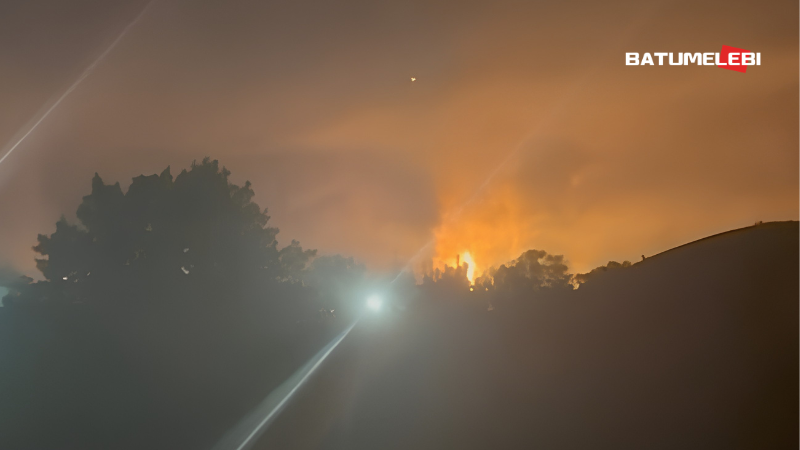
25 აგვისტოს, ღამით, დრონები თავს დაესხნენ კრასნოდარის მხარეში მდებარე აფიპსკის ნავთობგადამამუშავებელ ქარხანას.
ხანძრის ამსახველი კადრები ტელეგრამის არხებზე ვრცელდება.
ადგილობრივმა ხელისუფლებამ დაადასტურა, რომ ნავთობგადამამუშავებელ ქარხანაში ხანძარი გაჩნდა და ადგილზე მეხანძრეები და სასწრაფო დახმარების სამსახურები მუშაობენ.
ამავე დროს, ხელისუფლების განცხადებით, დრონის ნამსხვრევები აფიპსკაიას რკინიგზის სადგურის ტერიტორიაზე დაეცა. კრასნოდარის გუბერნატორის განცხადებით, ორი ადამიანი დაიღუპა.
ასევე ვრცელდება ინფორმაცია ნოვოშახტინსკის ნავთობგადამამუშავებელ ქარხანაზე თავდასხმის შესახებ. ცნობები ზუსტდება.
უკრაინის შეიარაღებული ძალების გენერალური შტაბის დღევანდელი მონაცემებით, ომის დაწყებიდან 2026 წლის 25 აგვისტომდე პერიოდში, რუსეთის არმიის საბრძოლო დანაკარგი არის:
ცოცხალი ძალა – დაახლოებით 1 479 300 ადამიანი [გასულ დღე-ღამეში +1 230. ამ მონაცემებში შედის როგორც დაღუპულები, ასევე დაჭრილები]
ტანკი – 12 293 ერთეული [+0]
ჯავშანტექნიკა – 25 220 ერთეული [+9]
საარტილერიო სისტემა – 48 567 ერთეული [+48]
MLRS – 2 058 ერთეული [+2]
საზენიტო საბრძოლო სისტემა – 1 587 ერთეული [+1]
თვითმფრინავი – 440 ერთეული [+0]
ვერტმფრენი – 354 ერთეული [+0]
უპილოტო საფრენი აპარატის ოპერატიულ-ტაქტიკური დონე – 479 882 ერთეული [+1 555]
სახმელეთო რობოტიზებული კომპლექსი – 2 378 ერთეული [+10]
გემი/ნავი – 35 ერთეული [+0]
წყალქვეშა ნავი – 2 ერთეული [+0]
მანქანები და საწვავის ავზები – 139 221 ერთეული [+448]
სპეცტექნიკა – 4 582 ერთეული [+7]
ფრთოსანი რაკეტა [ჩამოაგდეს] – 5 052 ერთეული [+0]
უკრაინის გენერალური შტაბის განცხადებით, საომარი მოქმედებების მაღალი ინტენსივობის გამო მონაცემები იცვლება.
უკრაინის სამხედრო დანაკარგებზე სტატისტიკური ინფორმაცია 2026 წლის 25 თებერვლის შემდეგ აღარ განუახლებია რუსეთს.
რუსეთის თავდაცვის სამინისტროს მიერ ტელეგრამ არხზე ბოლოს გავრცელებული მონაცემებით, ომის დაწყებიდან 2026 წლის 25 თებერვლამდე პერიოდში სულ განადგურებულია უკრაინის:
670 თვითმფრინავი
283 ვერტმფრენი
117 299 უპილოტო საფრენი აპარატი
651 საზენიტო სარაკეტო სისტემა
27 873 ტანკი და სხვა ჯავშანტექნიკა
1 674 მრავალჯერადი სარაკეტო გამშვები
33 474 საველე არტილერია და ნაღმმტყორცნი
55 252 სპეციალური სამხედრო მანქანა
ეს ის მონაცემებია, რომელსაც უკრაინა და რუსეთი ოფიციალურად ავრცელებენ, თუმცა ომის პირობებში შეუძლებელია ზუსტად გადამოწმება, რამდენად შეესაბამება მხარეების მიერ გავრცელებული ინფორმაცია დანაკარგების შესახებ რეალურ რიცხვებს.
ამასთან, აღნიშნულ მონაცემებთან ერთად რუსეთის თავდაცვა, უკრაინის და რუსეთის არმიის ცოცხალი ძალის საერთო დანაკარგების შესახებ სტატისტიკას არ აქვეყნებს. უკრაინის არმიის ცოცხალი ძალის დანაკარგების შესახებ მონაცემებს არ აქვეყნებს არც უკრაინა.
„აქ არის ერთადერთი ახსნა ჩემთვის: ივანიშვილი იბრძვის – ეს არის მისთვის დღეს სასიცოცხლოდ მნიშვნელოვანი ამოცანა – გადარჩენისთვის. ივანიშვილს არც ქვეყნის შიგნით და მით უფრო ქვეყნის გარეთ არ აქვს მისთვის სასურველი გარემო – ყველგან ფეთქებადსაშიში ვითარება აქვს,“ – მიიჩნევს პოლიტიკოსი არმაზ ახვლედიანი. მას დღეს, 23 აგვისტოს, ირაკლი ღარიბაშვილისთვის წარდგენილ ახალ ბრალდებაზე ვესაუბრეთ: რას აჩვენებს ეს ამბავი ივანიშვილის „ოცნებაზე“.
„ოცნების“ ყოფილ პრემიერს, ირაკლი ღარიბაშვილს ამჯერად უკვე 11-დან 15 წლამდე პატიმრობა ელის.
„შესაძლოა, ივანიშვილმა გადაწყვიტა, რომ მისგან გარიყული, მასთან შემცდარი და ნდობადაკარგული ღარიბაშვილი ბოლომდე ჩაეწიხლა. რომ გითხრათ, ამას არ იზამდა, ან ვერ იზამდა, ტყუილი იქნება, მაგრამ რაღაც ლოგიკა ვიპოვოთ მის ქმედებაში – მე ამას არ ვაპირებ,“ – ამბობს არმაზ ახვლედიანი.
რა ხდება ივანიშვილის დაჯგუფებაში? – „ბათუმელებმა“ არმაზ ახვლედიანთან ინტერვიუ ჩაწერა. იგი პოლიტიკოსია, თბილისის პოლიტიკური სწავლების სკოლის დამფუძნებელი და „ქართული ოცნების“ ყოფილი აღმასრულებელი მდივანი.
ბატონო არმაზ, თქვენი დაკვირვებით, რა ხდება ივანიშვილის დაჯგუფებაში, რას აჩვენებს თქვენთვის ირაკლი ღარიბაშვილისთვის წარდგენილი ახალი, კიდევ უფრო მძიმე ბრალდება?
ბრალდება კი ახალია, მაგრამ ამბავი – ძალიან ძველი.
როცა ივანიშვილმა ღარიბაშვილი 2013 წელს შინაგან საქმეთა მინისტრობიდან პრემიერობამდე აამაღლა, ცხადზე ცხადი იყო, რომ სისტემა ჩაიძირებოდა კორუფციაში, რომ ეს აწყობდა ივანიშვილს და ამის საუკეთესო შემსრულებელი იყო მაშინ ღარიბაშვილი. ამასთან, სისტემა თანდათან იცლებოდა და ვხედავთ, რომ სრულად დაიცალა დემოკრატიული და სამართლებრივი შიგთავსისგან.
რაც შეეხება დღევანდელ ბრალდებას, მაინცდამაინც რომ გითხრათ ეჭვი მეპარება-მეთქი, მოგატყუებთ – ღარიბაშვილი პირველად რომ დაითხოვა ივანიშვილმა პრემიერობიდან, კულუარებში ცნობილი იყო, რომ ერთ-ერთი მთავარი ბრალდება მის მიმართ იყო სწორედ კლანური და კორუფციული გარიგებები.
შემდეგ ირაკლი ღარიბაშვილი კვლავ აღზევდა და, როგორც იტყვიან, მადა ჭამაში მოდის. ეს ამბები ვიცი არა მოყოლით, არამედ – შიგნიდან და საკმაოდ კარგად ვიცნობ, როგორც ღარიბაშვილს, ასევე ივანიშვილს. ვიცი ამ სისტემის მახინჯი, მანკიერი არსი, შემიძლია გითხრათ ზუსტად, რომ თუ გახდა საჭირო, თუ ივანიშვილს ეს დასჭირდა, ღარიბაშვილს კიდევ არაერთ, ახალ ბრალს წაუყენებენ და შეიძლება საქმე იქამდეც მივიდეს, რომ მას ათეულობით წელი დაუგროვდეს ციხეში გასატარებლად.
აქ საუბარი არ არის იმაზე, რომ ივანიშვილი არ პატიობს ვინმეს კორუფციას. როგორ შეიძლება არ პატიობდეს იმას, რასაც თვითონ ქმნის? ყველა, ვინც ამ სისტემის მონაწილეა, პირდაპირ თუ ირიბად ჩართულია კორუფციულ გარიგებაში.
ივანიშვილი ხასიათდება – როგორც ყველა ასეთი ტიპის მმართველი – რამდენიმე თავისებურებით: შიში, უნდობლობა, ყოველ ჯერზე მცდელობა, რომ დაიზღვიოს საკუთარი თავი. ვფიქრობ, რომ ივანიშვილმა ამჯერადაც ჩათვალა, რომ ღარიბაშვილის ამბიციები გაიზარდა, რომ მას მეტი მოუვიდა და ჩათვალა, რომ შეიძლებოდა მისი გაწირვა.
მეორე მხრივ, ირაკლი ღარიბაშვილის შემთხვევა ეუბნება ყველას, ვინც დღეს „ოცნების“ სათავეშია, რომ არანაირი სიახლოვე ივანიშვილთან, თუნდაც ასპროცენტიანი ნდობის კრედიტი, არ ნიშნავს იმას, რომ ხვალ დაზღვეული ხარ სასჯელისგან. აი, ამასაც ნიშნავს ღარიბაშვილის ამბავი.
ირაკლი ღარიბაშვილის ამბიცია რაში გამოიხატა? ან თუ აქვს რამე ამბიცია, ეს რატომ შეიძლება საფრთხედ დაენახა ივანიშვილს, მით უფრო დღეს, როცა არჩევნები გაუქმებულია?
ირაკლი ღარიბაშვილს მაშინვე გაუჩნდა ეს ამბიცია, როცა ის გახდა შინაგან საქმეთა მინისტრი 2012 წელს. მე ეს მახსოვს და 2013-ში მასთან ვიყავი მკაცრად დაპირისპირებული, როგორც პარტიის ხელმძღვანელი და ის, როგორც შინაგან საქმეთა მინისტრი – ცდილობდა, ჩარეულიყო პარტიის საქმეებში.
იმ ეტაპზე, უნდა ვთქვათ, რომ ივანიშვილი გარკვეულად იჭერდა ჩემს მხარეს და რაღაცნაირად თოკავდა ღარიბაშვილის ამბიციებს, მაგრამ ეს დიდხანს არ გაგრძელებულა – როგორც მოგეხსენებათ ღარიბაშვილი პრემიერი გახდა და მე იქაურობა დავტოვე.
არმაზ ახვლედიანი
ღარიბაშვილს თავიდანვე ჰქონდა ამბიცია, სურვილი, რომ ყოფილიყო პირველი ივანიშვილის კარზე და როცა ივანიშვილი აღარ იქნებოდა სხვადასხვა მიზეზით, უკვე ის თავად გამხდარიყო მისი შემცვლელი. ეს ამბიცია მას ჰქონდა პირველი პრემიერობის დროს და ეს ამბიცია გაუასმაგდა, როცა პრემიერად მეორედ გაამწესეს.
კობახიძის და ღარიბაშვილის დაპირისპირება არ იყო დაპირისპირება მხოლოდ ორ კონკურენტს შორის გუნდში. ეს არ იყო დაპირისპირება კორუფციაში ჩაფლულ და იმ პოლიტიკოსს შორის, რომელიც ღარიბაშვილისგან განსხვავებით კორუფციაში ჩაფლული ნამდვილად არ ყოფილა. ეს იყო დაპირისპირება უპირველესად პირველობის თაობაზე – ვინ იქნებოდა პირველი.
ღარიბაშვილმა თავისი სიბრიყვით და გაუმაძღრობით, ერთი მხრივ, მეორე მხრივ კი, კობახიძემ მისი სვლებით და ვერაგობით მოახერხა ის, რომ აჯობა ღარიბაშვილს, თუმცა აქ მხოლოდ კობახიძის ფაქტორი გადამწყვეტი ვერ იქნებოდა, რომ არა ივანიშვილის სურვილი – ჩამოეშორებინა ღარიბაშვილი.
ჩემი აზრით, აქ დაემთხვა ორი გარემოება: ერთი მხრივ, ივანიშვილის განწყობა, რომ ღარიბაშვილი უნდა ჩამოშორებულიყო პროცესს, გუნდს და, მეორე მხრივ, ძალიან დიდი მონდომება, სურვილი, მცდელობა უკვე პრემიერი კობახიძისა, რომ ღარიბაშვილი არა უბრალოდ ჩამოშორებოდა გუნდს, არამედ ბოლომდე დასჯილიყო, რასაც ახლა ვხედავთ კიდეც.
თქვენი აზრით, რატომ მოუნდა ივანიშვილს ღარიბაშვილის განსაკუთრებულად დასჯა? თითქმის სააკაშვილის სასჯელს გაუთანაბრდა ირაკლი ღარიბაშვილის ახალი ბრალდებით გათვალისწინებული 11-დან 15 წლამდე პატიმრობა. ასე მკაცრად ივანიშვილს არ დაუსჯია „ოცნების“ რომელიმე სხვა, ყოფილი მაღალჩინოსანი, როგორც ორჯერ პრემიერის პოსტზე ნამუშევარი ღარიბაშვილი…
რამდენიმე გარემოებაა გასათვალისწინებელი: ივანიშვილი თანაგუნდელებს, იმ ადამიანებს, რომლებიც მან შექმნა პოლიტიკოსებად, მოიყვანა ხელისუფლებაში, არ პატიობს გარკვეული წითელი ხაზების გადაკვეთას.
მეორე ისაა, რომ ღარიბაშვილს აღმოაჩნდა სრულიად არაპროპორციული ამბიციები. მან ჩათვალა, რომ მეორედ გაპრემიერება უკვე ნიშნავდა მისთვის იმას, რომ გზა ხსნილი იყო საბოლოო გამარჯვებისკენ, მემკვიდრის ტახტისკენ. ივანიშვილს კი, ასეთი რაღაცები ძალიან არ მოსწონს, მით უფრო, თუ მათ არ აქვთ რეალური არც რესურსი და არც შესაძლებლობა, არც უნარი, რომ იყვნენ მის კარზე არა თუ პირველი ვეზირები, არამედ მისი შემცვლელები.
რა იყო „წითელი ხაზი“ ივანიშვილი-ღარიბაშვილის ურთიერთობაში?
ვფიქრობ, რომ პრემიერობის მეორე ვადის დროს ღარიბაშვილის კორუფციული მადა გაასმაგდა. მან ვერ გაითვალისწინა ვერცერთი გაკვეთილი წარსულის და ჩათვალა, რომ მას ეს შერჩებოდა. მან ვერც ის გაითვალისწინა, რომ ამჯერად მისი კონკურენტი იყო არა რომელიმე ისეთი ჩვეულებრივი პრემიერ-მინისტრი ივანიშვილის კარზე, არამედ კულუარულ თამაშებში გამოწრთობილი და ამ მხრივ საკმაოდ ნიჭიერი კობახიძე.
კობახიძე ჩემთვის არ არის პოლიტიკოსი, მე რომ მკითხოთ, მას პოლიტიკას არ გავაკარებდი, როგორც ღარიბაშვილს, მაგრამ ის კი არის, რომ უნარის თვალსაზრისით გაცილებით უფრო უნარიანი აღმოჩნდა, ვიდრე ღარიბაშვილი. ღარიბაშვილს აღმოაჩნდა უნარი კლანურობაში, კორუფციულ გარიგებებში და ასევე იმაში, რომ ბიძინასთვის ემტკიცებინა ყოველ ჯერზე, რომ ის მისი ყურმოჭრილი მონა იყო – უსიტყვო შემსრულებელი ყველა დავალების.
რამდენად მნიშვნელოვანი იყო ამ პროცესში ირაკლი კობახიძეს და ირაკლი ღარიბაშვილს შორის პერსონალური დაპირისპირება?
როცა ირაკლი კობახიძე მოვიდა „ქართული ოცნების“ოფისში აღმასრულებელ მდივნად – ეს იყო 2015 წლის იანვრის ბოლოს – სხდომას მართავდა ღარიბაშვილი, როგორც პრემიერ-მინისტრი და პარტიის თავმჯდომარე. ეს იყო პარტია „ქართული ოცნების“ პოლიტსაბჭოს სხდომა, რომლის წევრიც ფორმალურად ჯერ კიდევ ვიყავი, თუმცა უკვე არავინ არაფერს მეკითხებოდა, რადგან ვიყავი მკვეთრად დაპირისპირებული ღარიბაშვილთან და გუნდთან.
ამ სხდომაზე მიმიწვიეს მრავალთვიანი პაუზის შემდეგ და ამ სხდომაზე მოხდა საოცარი რამ: ღარიბაშვილმა წარადგინა კობახიძე, როგორც პარტიის ახალი აღმასრულებელი მდივანი. გაითვალისწინეთ, რომ თავად ღარიბაშვილი იყო პარტიის თავმჯდომარე, კალაძე – გენერალური მდივანი… ირაკლი ღარიბაშვილმა დაამატა, რომ საკითხი შეთანხმებულია ივანიშვილთან.
ვისხედით მრგვალ მაგიდასთან პოლიტსაბჭოს 12 წევრი, ქვეყნის მაშინდელი ხელმძღვანელებიდან ყველამ ერთბაშად მოიწონა ეს ამბავი, ლამის სადღეგრძელოები იყო კობახიძის მიმართ პოლიტსაბჭოს ზოგიერთი წევრის მხრიდან.
შემდეგ მე ვითხოვე სიტყვა. ღარიბაშვილი ხვდებოდა, რომ მე იქ მისთვის კარგს არაფერს ვიტყოდი და არ უნდოდა ჩემთვის სიტყვის მოცემა. მაშინ ვთქვი, რომ თუ ვინმეს მიაჩნია, რომ კობახიძის, თუნდაც ამ საკმაოდ კარგი იურისტის, პარტიის ხელმძღვანელობაში შემოყვანით ოდნავ მაინც რამე სასიკეთოდ შეიცვლება და ჩვენ გამოვალთ იმ ღრმა, კატასტროფული კრიზისიდან, რომელშიც აღმოვჩნდით, ძალიან ცდებით-მეთქი.
მივმართე ღარიბაშვილს და პოლიტსაბჭოს წევრებს. ვუთხარი ღარიბაშვილს, რომ აი, შენ ხარ კახეთიდან, მივმართე კალაძეს: კახი, შენ ხარ სამტრედიიდან, მანანა კობახიძეს: თქვენ ხართ საჩხერიდან, აი, მე ბათუმიდან ვარ და აღარ შემიძლია ბათუმში ჩასვლა, ბათუმელებს ვეღარ ვუყურებ თვალებში, სად ჩანს ჩვენი დაპირებების შესრულება და უკეთესობა-მეთქი. უკიდურესად გაღიზიანებულმა ღარიბაშვილმა ჩემი მწვავე განცხადების შემდეგ სხდომა დაუყოვნებლივ დახურა.
მეორე დღეს იყო კოალიციის სხდომა და გადავწყვიტე, იქაც მეთქვა ჩემი სათქმელი. სხდომა დაიწყო იმით, რომ ღარიბაშვილმა გამოაცხადა, კობახიძეზე თქვა: ამ ადამიანის ფეხი არ ვნახო ამ ოფისშიო. რა მოხდა მაშინ, ბევრმა ვერ გაიგო.
ჩემთვისაც თავიდან გაურკვეველი იყო, მაგრამ მერე გავიგეთ, რომ კობახიძეს წინა საღამოს, თითქოს მიუცია ინტერვიუ ერთ-ერთი მედიასაშუალებისთვის, სადაც საუბრობდა ღარიბაშვილის კახურ კლანზე. ღარიბაშვილისთვის ეს იყო წითელი ხაზი. მინიმუმ ერთი თვე კობახიძე იმ ოფისში მართლა არ მისულა. მერე რა მოხდა, არ ვიცი, მაგრამ ალბათ, როგორც ხდებოდა ხოლმე, ივანიშვილმა დაალაგა მათ შორის ურთიერთობა.
ეს ეპიზოდი იმიტომაც მოგიყევით, რომ პირველი დღიდანვე იყო სამკვდრო-სასიცოცხლო დაპირისპირება ღარიბაშვილსა და კობახიძეს შორის. როგორც ჩანს, ღარიბაშვილმა პიროვნულადაც დაკარგა ივანიშვილის ნდობა. სხვა ფაქტორებიც შეიძლებოდა ყოფილიყო.
ნაკლებად ვარ ინფორმირებული, რას აკეთებდა ღარიბაშვილი კულუარებში, მათ შორის, დასავლეთთან კონტაქტების დროს. ცნობილია, რომ ღარიბაშვილი ყოველთვის გამოირჩეოდა მკვეთრად ანტიდასავლური რიტორიკით. დარწმუნებული ვარ 100 პროცენტით: ღარიბაშვილი რომ ივანიშვილს არ ჩამოეშორებინა, ის დღესაც ანტიდასავლური რიტორიკის ლიდერი იქნებოდა.
როცა ღარიბაშვილს არ აქვს პოლიტიკური წონა, სავარაუდოდ, რა გათვლით ამოიღო იგი მიზანში ივანიშვილმა?
მიმაჩნია, რომ ღარიბაშვილს არავითარი რეალური პოლიტიკური ძალა არ გააჩნდა და არც ახლა გააჩნია. ის რაღაც წონის მქონე იყო მხოლოდ ივანიშვილის კარზე, ივანიშვილის გვერდით, თორემ დამოუკიდებლად რა გითხრათ: ღარიბაშვილი პრემიერად კი არა, ალბათ რომელიმე ერთი რგოლის ხელმძღვანელადაც არ დაინიშნებოდა, მე რომ მკითხოთ.
მეორე მხრივ, გასათვალისწინებელია ის, რომ ივანიშვილის ლოგიკა არ არის ჩვეულებრივი ლოგიკა. აი, მე და თქვენ რომ ახლა ლოგიკაზე ვსაუბრობთ ან კანონზომიერებაზე, ეს ივანიშვილისეული ლოგიკა და კანონზომიერება არ არის.
შეიძლება, საქმე გვქონდეს ივანიშვილის მორიგ ტრიუკთან?
შესაძლოა, ივანიშვილმა გადაწყვიტა, რომ მისგან გარიყული, მასთან შემცდარი და ნდობადაკარგული ღარიბაშვილი ბოლომდე ჩაეწიხლა. რომ გითხრათ, ამას არ იზამდა, ან ვერ იზამდა, ტყუილი იქნება, მაგრამ რაღაც ლოგიკა ვეძებოთ მის ქმედებაში – უკაცრავად, მაგრამ მე ამას არ ვაპირებ.
აქ არის ერთადერთი ახსნა ჩემთვის: ივანიშვილი იბრძვის – ეს არის მისთვის დღეს სასიცოცხლოდ მნიშვნელოვანი ამოცანა – გადარჩენისთვის. ივანიშვილს არც ქვეყნის შიგნით და, მით უფრო, ქვეყნის გარეთ არ აქვს მისთვის სასურველი გარემო – ყველგან ფეთქებადსაშიში ვითარებაა, ამიტომ ის ვერავის ვერაფერს ვერ პატიობს და ურჩევნია ზოგჯერ იმაზე მეტად დასაჯოს თანაგუნდელი, ვიდრე ის ამას იმსახურებს.
მაგრამ ირაკლი ღარიბაშვილს ივანიშვილმა არ აპატია კორუფცია – ამის, როგორც ფეისბუქ რეაქციებიდან ჩანს, არც „ოცნების“ მომხრეებს სჯერათ.
კორუფციაში ჩართულობა საყოველთაოდ ცნობილია და „ოცნებაშიც“ ყველამ მშვენივრად იცის – მათი დიდი ნაწილი ამ კორუფციული სქემის მონაწილეა. მათთვის ღარიბაშვილის საქმე ერთადერთი გზავნილი, რომ ივანიშვილი არავის, როგორც თავში გითხარით, არ პატიობს მისგან განდგომას. ამ განდგომაში რა შეიძლება იგულისხმებოდეს – აქ შეგვიძლია ჩვენ ათი პუნქტი ჩამოვწეროთ, მაგრამ ფაქტია, რომ რაღაც არ მოეწონა.
ჩემი აზრით, რაღაც მომენტში უკვე პარანოიდული შიშია ყველაფრისადმი და უნდობლობა ყველასადმი. ჩვენ როცა ამ თემაზე ვსაუბრობთ, არ უნდა დაგვავიწყდეს, რომ ეს პირველად არ ხდება ისტორიაში, მით უფრო, საქართველოს ისტორიაში.
გავიხსენოთ თუნდაც რამდენიმე ათეული წლის წინ საბჭოთა კავშირი, სადაც იყო კატასტროფული ავტორიტარიზმი და ლიდერები პრაქტიკულად არ ენდობოდნენ გარემოცვის წევრებს – ანადგურებდნენ კიდეც. დღეს მაქსიმუმი, რაც შეუძლიათ, ციხეში გაუშვებენ – დააშავა თუ არ დააშავა, ყველაფერს დააბრალებენ.
ღარიბაშვილმა ახლა თავის თავს დააბრალოს – ის არის ერთ-ერთი მთავარი თანამონაწილე იმ კატასტროფული სისტემის შექმნისა, რომელიც ახლა მას სჯის. სჯის შესაძლოა სამართლიანადაც, მაგრამ თუ დასჭირდათ, კიდევ დაუმატებენ, რამდენ წელსაც უნდათ, იმდენს. სწორედ ეს სისტემა შექმნა ღარიბაშვილმა ივანიშვილთან ერთად და ახლა ის ამ სისტემის მსხვერპლია.
იმის გათვალისწინებით, რომ კახი კალაძეს „ოცნების“ შიგნით უფრო მაღალი რეიტინგი აქვს, ვიდრე ირაკლი კობახიძეს, მოსალოდნელია, რომ კალაძეც ჩამოაშორონ ივანიშვილის კარს?
კალაძეს ვერავითარი რეიტინგი ვერ უშველის. კალაძე დიდი ხანია გამზადებულია იმისთვის, რომ ჩამოაშორონ გუნდს. მისი კორუფციული წარსული და დღევანდელობა ბევრისთვის არის ცხადზე ცხადი. კალაძეს არ უნდა ჰქონდეს ახლა მაინცდამაინც კარგი განწყობა. ვფიქრობ, იგი იაზრებს, რომ ყოველ წუთას შეიძლება აღმოჩნდეს განსასჯელის სკამზე. არა უბრალოდ დაატოვებინონ თანამდებობა, არამედ აღმოჩნდეს განსასჯელის სკამზე.
მხოლოდ ბატონის განწყობაზე და რაღაც კონიუნქტურაზე დამოკიდებული, როდის მოხდება ეს – ხვალ პირდაპირი გაგებით, თუ რამდენიმე თვეში.
თქვენი მოლოდინი როგორია: ამჯერად როგორ იმოქმედებს ღარიბაშვილი, ისევ გადაუხდის მადლობას ივანიშვილს?
ირაკლი ღარიბაშვილს ალბათ ორი გზა აქვს: ერთი, რომ დანებდეს – ის აცნობიერებს, რომ კიდევ ბევრი აქვს დაშავებული და შეიძლება იმდენი ბრალი წაუყენონ, რომ უბრალოდ ორ დღეში ერთხელ პროკურატურაში ბრიფინგი იყოს ღარიბაშვილის თემაზე. ასე რომ, მას ერთი გზა აქვს, რომ დადუმდეს და იკმაროს, რაც ივანიშვილმა გამოუწერა.
ან ხმა ამოიღოს, მაგრამ ხმა ამოიღოს არა იმის თაობაზე, რომ მას ერჩიან, არამედ ამხილოს ეს არსით კორუფციული, ანტიდემოკრატიული და ანტიეროვნული მმართველობა. ამას ღარიბაშვილი, ჩემი აზრით, არ იზამს. ბევრი აქვს მიქარული და სათქმელი მაინცდამაინც არც არაფერი არ აქვს.
ეს ივანიშვილმა ყველაზე კარგად იცის, რის თქმა შეუძლია ღარიბაშვილს და რაზე წამსვლელია. ასე იცის ხოლმე გაღორებამ და მონობამ; ასე იცის, როცა ქმნი კატასტროფულ სისტემას, რომელიც მერე შენც არ დაგინდობს და არ დაინდობს არავის – ივანიშვილის ჩათვლით.
შესაბამისად, ჩვენ უნდა ვხვდებოდეთ, რომ აი ამ კორუფციული, ავადმყოფური, ანომალიური სერიალის კიდევ მრავალ სერიას ვნახავთ, თუ საზოგადოებამ, მისმა აქტიურმა ნაწილმა, პასუხისმგებლობიანმა ნაწილმა არ მივიღეთ გადაწყვეტილება საქართველოს დღევანდელთან და მომავალთან დაკავშირებით, თუ არ დავუსვით წერტილი ივანიშვილის ამ დანაშაულებრივ ექსპერიმენტს.
ეს შეიძლება მოხდეს მხოლოდ და მხოლოდ ერთი გზით – თუ შევქმნით არა ვითომ, არა თითიდან გამოწოვილ, არამედ რეალურ პოლიტიკურ ალტერნატივას. სხვა გზა საქართველოს არ გააჩნია რომ გადარჩეს. წინააღმდეგ შემთხვევაში უნდა ვიცოდეთ, რომ ივანიშვილმა კიდევ მრავალი წელი, ღმერთმა დაგვიფაროს, მაგრამ ათწლეული შესაძლოა საქართველო ამყოფოს ამ სიბნელესა და კორუფციის ამ ჭაობში.
სამართლებრივ პასუხისმგებლობას რომ თავი დავანებოთ, ღარიბაშვილის დაპატიმრება, ორგზის პრემიერისა და პარტიის თავმჯდომარისა, აი, ამ ბრალდებით, რაც ჩვენ ვიცით და სუსის უფროსის ციხეში ყოფნა – მრავალგზის უნდა გამხდარიყო იმის საფუძველი, რომ ჩატარებულიყო ვადამდელი სამართლიანი არჩევნები.
ეს იმისთვის, რომ მომხდარიყო დიდი პოლიტიკური გადატვირთვა, მაგრამ ივანიშვილი ამას არასდროს იზამს და თუ ამაზე წავა, რა თქმა უნდა, მხოლოდ იმ მომენტში წავა, თუ ჩათვლის, რომ მის უსაფრთხოებას, მის სტაბილურობას სჭირდება ეს და არა იმიტომ, რომ საქართველოს სჭირდება. ამ ბატონებს დიდი ხანია აღარ ახსოვთ საქართველო.
თავი რომ გავანებოთ ქვეყანას, მხოლოდ ერთი ქალაქი – ბათუმი საკმარისი იქნება იმისთვის, რომ დამოუკიდებელმა საგამოძიებო სტრუქტურამ გამოიძიოს კორუფცია ბათუმში დაკავშირებული მშენებლობებსა და სხვა ბიზნესთან. აჭარა და ბათუმი ბოლო 13 წლის განმავლობაში იქცა კორუფციის, კლანურობის ყველაზე დიდ, ყველაზე სახიფათო და ყველაზე ამაზრზენ პოლიგონად.
ბათუმი საკმარისი იქნებოდა იმისთვის, რომ ეს ბატონები, ივანიშვილის თამადობით, იყვნენ განსასჯელის სკამზე. არ შემიძლია არ ვთქვა, რომ ივანიშვილმა აჭარის მთავრობის თავმჯდომარედ 2012 წლიდან მოავლინა ისეთი ადამიანები, რომლებიც არა უბრალოდ იყვნენ და არიან მისი ყურმოჭრილი მონები, არამედ არიან მისი დიდი კორუფციული სქემების შემსრულებლები აჭარაში. შესაბამისად, ეს არ არის მხოლოდ პოლიტიკური პასუხისმგებლობა – ეს არის სამართლებრივი პასუხისმგებლობა.
უნდა შევძლოთ, რომ საქართველოს მოქალაქეებს მივცეთ არა მხოლოდ კორუფციისგან გათავისუფლების შანსი, არამედ მივცეთ ნორმალურ, სამართლიან გარემოში ცხოვრების შანსი.
ეს შესაძლებელია ერთი გზით – როცა ჯანსაღი, დემოკრატიული, ძლიერი პოლიტიკური ალტერნატივა საზოგადოებას მისცემს ნდობის საკმარის იმპულსს და შესაბამისად აღიჭურვება სათანადო ნდობით. ეს არის ჩემთვის გამოსავალი, თორემ ღარიბაშვილი, კობახიძე დღეს არის და ხვალ არ იქნება – ეს ყველაფერი ვიღაცისთვის შესაძლოა სეირია, ჩემთვის კი, დიდი ტრაგედიაა.
საქართველოსთვის ეს ნამდვილი ტრაგედიაა – ეს ბატონები ძარცვავენ საქართველოს, ამ ბატონებმა მოუსპეს საქართველოს ნორმალური მომავალი, ჩამოაშორეს განვითარების ნორმალურ ვექტორს, ფეხქვეშ გათელეს კონსტიტუცია და ქართველ ხალხს დააკარგვინეს წარმატების, განვითარების, კეთილდღეობის, თანასწორობის და დემოკრატიის დიდებული შესაძლებლობები. ამის გამო ამათ არ უნდა ასცდეთ სამართლებრივი პასუხისმგებლობა.
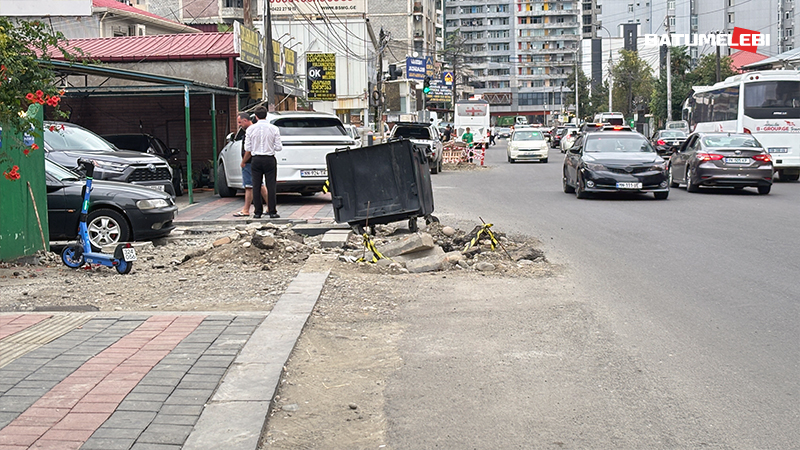
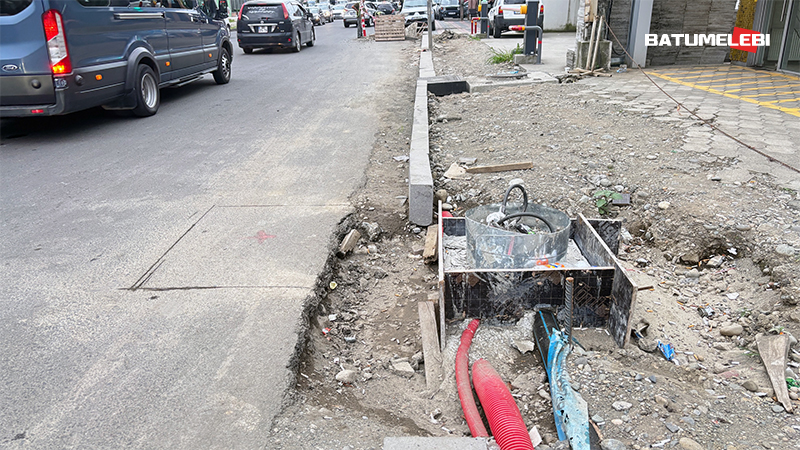
ბათუმში, აეროპორტის გზატკეცილზე ახალდაგებული ასფალტის ამოჭრა იმ დროს დაიწყეს, როცა მოსახლეობის ნაწილს სამუშაოები დასრულებული ეგონა. ქალაქის მერიის განმარტებით, „მიმდინარეობს წყალარინების ჭების მოყვანა ნიშნულამდე“, რათა ასფალტის მესამე ფენა დაიგოს. თუმცა, მერიის სამმართველოსა და შპს „პალადას“ შორის დადებული 14-მილიონიანი ხელშეკრულებით სამუშაოები 2026 წლის მაისში მთლიანად უნდა ყოფილიყო დასრულებული.
ხელშეკრულებაში ცვლილება რამდენჯერმე შეიტანეს, შშმ პირებისთვის საჭირო ლიფტების დამონტაჟება პროექტიდან ამოიღეს და ქვეითთა არაადაპტირებული გადასასვლელი ხიდის აშენებაზეც უარი თქვეს. გადაწიეს სამუშაოების დასრულების ვადაც.
ბათუმი, აეროპორტის გზატკეცილი / 23.08.2026
რა ირკვევა ხელშეკრულებით და „მხარეთა შეთანხმებებით“
ხელშეკრულების საერთო ღირებულება იყო 13 994 999 ლარი და 14 თეთრი [ყველა გადასახადის ჩათვლით]. ამ ხელშეკრულებით სამუშაოები 2026 წლის 30 მაისის ჩათვლით უნდა დასრულებულიყო.
გასული წლის ნოემბერში პირველი ცვლილება შეიტანეს ხელშეკრულებაში და კომპანიის მიერ წარმოდგენილი „თიბისი ბანკი“-ს საგარანტიოები [ხელშეკრულების შესრულების და საავანსოსი] ჩაანაცვლეს „ბაზისბანკის“ მიერ გაცემული საგარანტიოებით.
მეორე ცვლილება ხელშეკრულებაში მაშინ შეიტანეს, როცა სამუშაოების დასრულების ვადა ორ დღეში იწურებოდა, ანუ 2026 წლის 28 მაისს. ამ ცვლილებით ირკვევა, რომ გზაზე სამშენებლო სამუშაოები 2025 წლის განმავლობაში [თებერვლიდან-დეკემბრამდე] საერთოდ არ ჩაუტარებიათ. და ეს მაშინ, როცა ქალაქის ბიუჯეტიდან 2,7 მილიონი ლარი კომპანიისთვის ავანსად იყო გადარიცხული.
მერიის სამმართველო და კომპანია ადვილად შეთანხმდნენ მიზეზზეც: გზის ამ მონაკვეთში ინტენსიური სატრანსპორტო მოძრაობაა და სამუშაოების შესრულება გზაზე მოძრაობის ნაწილობრივი ან სრული შეზღუდვის გარეშე შეუძლებელი იყოო.
„ამასთან, გასათვალისწინებელი იყო ადგილობრივი მოსახლეობის ინტერესები, მიმდებარე კომერციული ობიექტების ფუნქციონირება, ტურისტული სეზონის პერიოდში ქალაქში გაზრდილი სატრანსპორტო ნაკადები და საზოგადოებრივი ტრანსპორტის შეუფერხებელი გადაადგილების აუცილებლობა“, პარალელურად სხვა ხელშეკრულებების ფარგლებში სამუშაოები სხვა ცენტრალურ ქუჩებზეც მიმდინარეობდა, ამიტომ „დამატებით აეროპორტის გზატკეცილის შეზღუდვა გამოიწვევდა სატრანსპორტო კოლაფსს და მოსახლეობას შეუქმნიდა დისკომფორტს“.
„ზემოაღნიშნული გარემოებების გათვალისწინებით, 2025 წელს ვერ მოხერხდა გზაზე მოძრაობის შეზღუდვის დაწესება, რის გამოც ობიექტზე სამშენებლო სამუშაოების დაწყება გადაიდო“, – წერია მხარეთა მეორე შეთანხმებაში.
ამავე შეთანხმების მიხედვით, „მიწისქვეშა საინჟინრო კომუნიკაციების, არსებული ინფრასტრუქტურისა და საპროექტო გადაწყვეტილებების ურთიერთთავსებადობის დაზუსტების მიზნით განხორციელდა არაერთი სამუშაო შეხვედრა საზედამხედველო კომპანიასთან და საპროექტო ორგანიზაციასთან.“
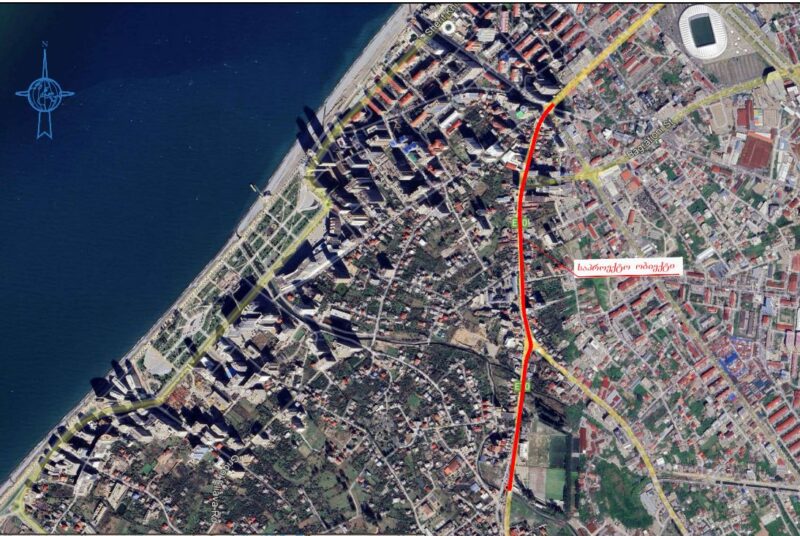
სარეაბილიტაციო გზის მონაკვეთი ბათუმში, აეროპორტის გზატკეცილზე / აღნიშნულია წითელი ხაზით / ფოტო პროექტიდან
„დამკვეთის, საზედამხედველო კომპანიისა და საპროექტო ორგანიზაციის მიერ ფაქტობრივად არსებული მდგომარეობის ადგილზე შესწავლის შედეგად დადგინდა, რომ აუცილებელია კორექტირების შეტანა არსებულ საპროექტო-სახარჯთაღრიცხვო დოკუმენტაციაში.
კერძოდ, საჭირო გახდა გარკვეული ტექნიკური გადაწყვეტილებების დაზუსტება და არსებული პროექტის ადაპტირება ფაქტობრივ პირობებთან, რათა უზრუნველყოფილი იყოს სამუშაოების ხარისხიანად, უსაფრთხოდ და მოქმედი სამშენებლო ნორმების სრული დაცვით შესრულება“, – წერია 28 მაისის მხარეთა შეთანხმებაში.
ამავე შეთანხმებაში აღნიშნულია, რომ „მიზანშეწონილია სამუშაოების დასრულების ვადის გაგრძელება 2026 წლის 10 დეკემბრის ჩათვლით“, რაზედაც შეთანხმდნენ კიდეც და ვადაც გადაწიეს.
აეროპორტის გზატკეცილზე რამდენიმე დღით მოძრაობა 2026 წლის ივნისის დასაწყისში აკრძალეს. თვის ბოლოს, 25 ივნისს კი, მხარეთა შორის მესამე შეთანხმება გაფორმდა. დოკუმენტში წერია, რომ გამოვლინდა „რიგი ტექნიკური საკითხები“, რაც საჭიროებს პროექტში ცვლილებების შეტანას. კერძოდ:
„სანიაღვრე ქსელის წყალმიმღები ჭების მოწყობა გათვალისწინებული იყო გზის სავალი ნაწილის შუა ღერძზე. თუმცა, ადგილზე არსებული მიწისქვეშა საინჟინრო კომუნიკაციების გათვალისწინებით, აღნიშნული გადაწყვეტილების განხორციელების შემთხვევაში შეუძლებელი იყო წყალმიმღები ჭების ცენტრალურ ქსელთან დაერთება.
ურთიერთშეთანხმების შედეგად მიზანშეწონილად იქნა მიჩნეული წყალმიმღები ჭების განთავსება გზის გვერდებზე, ტროტუარის მიმდებარედ, რაც დამატებით უზრუნველყოფს ადგილობრივი მოსახლეობის ეზოების სანიაღვრე ქსელზე მიერთების შესაძლებლობას. შესაბამისად, შეიცვალა მოსაწყობი პლასტმასის მილების მოცულობები…
დაკორექტირდა წყალმიმღები და სათვალთვალო ჭების მოწყობის მოცულობებიც. საპროექტო დოკუმენტაციის მიხედვით, სარეგულაციო კედლების მოწყობის პიკეტურ მოცულობათა უწყისით გათვალისწინებულია 1203.76 მ³ ბეტონი, მაშინ როდესაც წარმოდგენილ ხარჯთაღრიცხვაში აღნიშნული სამუშაოსთვის განსაზღვრული იყო მხოლოდ 134.44 მ³ ბეტონი, რაც 1069.32 მ³-ით ნაკლებს წარმოადგენს.
ანალოგიურად, ხარჯთაღრიცხვაში არმატურის მოცულობა განსაზღვრული იყო 3.7859 ტონით, მაშინ როდესაც უწყისის შესაბამისად საჭირო რაოდენობა შეადგენს 47.3554 ტონას.
აღნიშნული შეუსაბამობისა და ტექნიკური უზუსტობის აღმოფხვრის მიზნით დაკორექტირდა სარეგულაციო კედლების მოწყობის სამუშაოების მოცულობები, რის შედეგადაც აღნიშნული სამუშაოების ღირებულება გაიზარდა 880 826.25 ლარით, დღგ-ის ჩათვლით.“
აქვე აღსანიშნავია, რომ პროექტში, რომელშიც ეს და სხვა ცვლილებები შეიტანეს, ბათუმის მერიას 188 ათას 800 ლარი აქვს გადახდილი შპს „პროჯეკტ კომპანი“-სთვის 2024 წელს.
ბათუმი, აეროპორტის გზატკეცილი / 23.08.2026
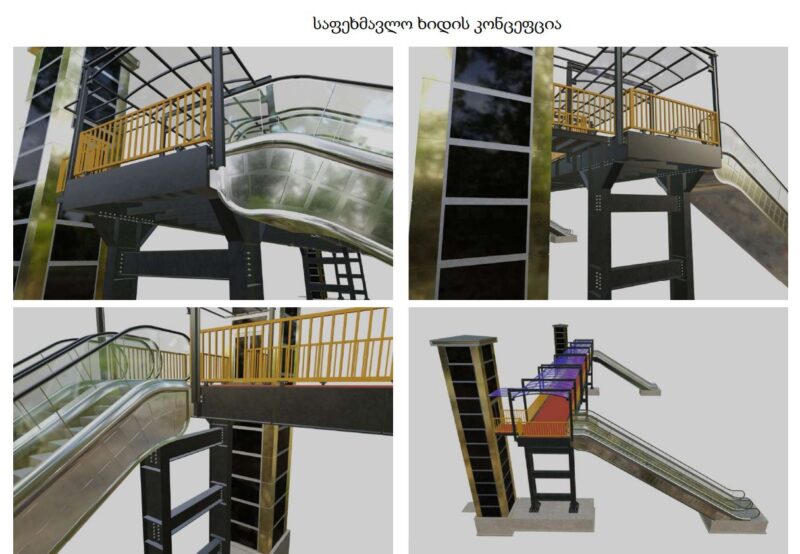
ამ პროექტით „სპორტული ბაზის მიმდებარედ ეწყობა ქვეითთა გადასასვლელი ხიდი, რომელზეც დამონტაჟდება შშმ პირთათვის ადაპტირებული ლიფტები და ამსვლელ/ჩამომსვლელი ესკალატორები“.
მესამე შეთანხმებით კი, მერიამ და კომპანიამ ქვეითთა გადასასვლელი ხიდის აშენებაზე უარი თქვეს. ეს გადაწყვეტილება მერიის სამმართველომ და კომპანიამ ხელშეკრულების გაფორმებიდან წელიწად-ნახევრის გასვლის შემდეგ მიიღეს, თანაც ისეთი მიზეზით, რაც შპს „პროჯეკტ კომპანი“-სგან პროექტის ჩაბარების დროსაც იყო ცნობილი და „პალადასთან“ ხელშეკრულების გაფორმების დროსაც.
მერიის სამმართველო და „პალადა“ მესამე შეთანხმების დოკუმენტში წერენ: „გასათვალისწინებელია, რომ ესკალატორები და შშმ პირთათვის განკუთვნილი ლიფტები განთავსებული იქნება ღია სივრცეში და მუდმივად დაექვემდებარება წვიმის, თოვლის, ყინულის, ძლიერი ქარის, ტემპერატურული ცვლილებების, მტვრისა და სხვა გარემო ფაქტორების ზემოქმედებას, რაც მნიშვნელოვნად ზრდის მათი კოროზიის, ტექნიკური გაუმართაობისა და მწყობრიდან გამოსვლის რისკს.“
ბათუმის მერია [რომელმაც თავის დროზე პროექტი ჩაიბარა და ტენდერიც გამოაცხადა ადაპტირებული ლიფტის აშენების პირობით] და „პალადა“ [რომელმაც დადო ხელშეკრულება, მათ შორის ასეთი ხიდის აშენებაზე], გზაზე სამუშაოების დაწყების შემდეგ აცხადებენ:
„განსაკუთრებით საყურადღებოა ზამთრის პერიოდი, როდესაც ყინულისა და ნალექის დაგროვება მნიშვნელოვნად ართულებს, როგორც ესკალატორების, ისე ლიფტების უსაფრთხო და შეუფერხებელ ექსპლუატაციას. აღნიშნული გარემოებები ზრდის მომხმარებელთა უსაფრთხოების რისკებს და საჭიროებს მუდმივ ტექნიკურ მომსახურებას, მონიტორინგსა და დამატებითი ფინანსური რესურსების მობილიზებას. რაც მნიშვნელოვნად გაზრდის ექსპლუატაციისა და მოვლა-პატრონობის ხარჯებს.
მოწყობილობების ხშირი გაუმართაობის შემთხვევაში კი მოსალოდნელია როგორც ქვეითთა გადაადგილების შეფერხება, ისე შშმ პირთათვის ხელმისაწვდომობის შეზღუდვა. ზემოაღნიშნულიდან გამომდინარე, მიზანშეწონილია, შშმ პირთათვის განკუთვნილი ლიფტი და ხიდზე ასასვლელი/ჩამოსასვლელი ესკალატორები ამოღებულ იქნეს ხარჯთაღრიცხვიდან.“
პროექტში საფეხმავლო ხიდის კონცეფციის ფოტოებიცაა, რომლის მიხედვით ლიფტები ღია სივრცეში არ არის. რაც შეეხება ესკალატორებს, მათი მონტაჟი ღია სივრცეში გასაგებია, ამიტომ, შეიძლებოდა ალბათ მათი ამოღება, ლიფტების დატოვება და ესკალატორების კიბით ჩანაცვლება, თუმცა „მხარეთა შეთანხმებაში“ წერია, რომ ლიფტებიც ამოიღეს.
ხიდის კონცეფცია / ფოტო პროექტიდან
„პალადასთან“ გაფორმებული ხელშეკრულების მიხედვით, შშმ პირთათვის განკუთვნილი 2 ლიფტის ღირებულება მონტაჟის გათვალისწინებით, იყო 300 ათასი ლარი, ხოლო ხიდზე ასასვლელ/ჩამოსასვლელი ესკალატორების ღირებულება, ასევე მონტაჟის გათვალისწინებით – 600 ათასი ლარი.
შესაბამისად, ლიფტების და ესკალატორების ამოღებით მერიამ პროექტში 900 ათასი ლარის „ეკონომია“ გააკეთა [რითაც, როგორც ირწმუნებიან, სხვა სამუშაოები დაფინანსდა/დაფინანსდება, რაც სამუშაოების მიმდინარეობისას „გამოჩნდა“ და პროექტით არ იყო გათვალისწინებული].
რა ჯდება არაადაპტირებული ხიდის აშენება – ამას კორექტირებულ ხარჯთაღრიცხვაში ვერ მივაგენით, ამიტომ საკითხის დასაზუსტებლად მერიის სამმართველოს მივმართეთ. სამმართველოში კი გვითხრეს, რომ ქვეითთა გადასასვლელ ხიდს საერთოდ არ ააშენებენ.
„აეროპორტის გზატკეცილზე, „დინამო ბათუმის“ ანგისის ბაზასთან, ქვეითთა გადაადგილებისთვის განკუთვნილი ხიდის მონტაჟი აღარ განხორციელდება. აღნიშნულ მონაკვეთზე ქვეითთა უსაფრთხო გადაადგილებისა და მოძრაობის რეგულირების მიზნით, სამომავლოდ შუქნიშნის მოწყობა იგეგმება“, – მოგვწერეს ბათუმის მერიის საქალაქო ინფრასტრუქტურისა და კეთილმოწყობის სამმართველოდან.
რამდენიმე დეტალი ასევე მხარეთა მესამე შეთანხმებიდან:
„გზის სავალი ნაწილის საფარის ხარისხობრივი მაჩვენებლების უზრუნველყოფისა და საბოლოო საფარის მოწყობისთვის სათანადო პირობების შექმნის მიზნით, მიზანშეწონილად მიგვაჩნია შემასწორებელი ასფალტბეტონის ფენის მოწყობა საშუალოდ 3 სმ სისქით.
აღნიშნული ღონისძიება უზრუნველყოფს არსებული ზედაპირის არათანაბრობების აღმოფხვრას, საპროექტო ნიშნულებთან შესაბამისობის მიღწევას და შემდგომი ასფალტბეტონის საფარის ფენების ხარისხიან და ტექნოლოგიური მოთხოვნების შესაბამისად მოწყობას…
ამასთან, ტექნიკური თვალსაზრისით, თვითწებვადი ფილების ნაცვლად მიზანშეწონილად მიგვაჩნია უსინათლო პირთათვის ტაქტილური ზედაპირის ფილების მოწყობა.
აღნიშნული ცვლილება ხორციელდება ნაწილობრივ გაუთვალისწინებელი ხარჯის და არსებული ეკონომიების გამოყენებით. განსახორციელებელი ცვლილების შედეგად საბოლოო სახელშეკრულებო ღირებულება არ იცვლება“.
შესყიდვების პორტალზე დღევანდელი, 2026 წლის 24 აგვისტოს მონაცემებით, ხელშეკრულების თანხა არის 13 994 999.14 ლარი, საიდანაც „პალადაზე“ უკვე გადარიცხულია 4 129 167.21 ლარი [ხელშეკრულების თანხის 30 პროცენტი]. აქედან 2 700 000 ლარი კომპანიისთვის 2025 წლის 16 აპრილს ავანსად გადაურიცხიათ.
საჯარო რეესტრის ბოლო ამონაწერით, შპს „პალადა“ თბილისში 2006 წელს რეგისტრირებული კომპანიაა, რომლის წილები თანაბრად ეკუთვნით გიორგი ელიავას და ილია კეკელიძეს. კომპანიის დირექტორია ილია კეკელიძე.
და ბოლოს, აეროპორტის გზატკეცილის იმ ადგილზე, სადაც აღნიშნული პროექტით ქვეითთა გადასასვლელი ადაპტირებული ხიდი უნდა აეშენებინათ, „ბათუმელები“ 2024 წელშიც წერდა. აქ ამ დრომდე არაფერი შეცვლილა.
„გამოვედი თუ არა ციხიდან, ისევ აქციაზე მივედი დროშით…“ – უყვება „ბათუმელებს“ ზურა მენთეშაშვილი, რომელიც ამ პატიმრობის დროს შიმშილობდა კიდეც. ის მოსამართლეების ქცევაზე პირად დაკვირვებას გვიზიარებს.
„ბიძინას მმართველობის დროს კარგად იცის თითოეულმა მოსამართლემ, რომ მასთან ვინც მოხვდება, ყველა დასასჯელია, ყველაფერი წინასწარ განსაზღვრულია… სასამართლო პროცესებზე მხოლოდ მეცინებოდა, მეტი არაფერი,“ – გვიყვება 61 წლის ზურა მენთეშაშვილი. მას გადაკეტილ გზაზე დგომისთვის 2026 წლის 29 მაისს, მოსამართლე ნინო გალუსტაშვილმა 9 თვით თავისუფლების აღკვეთა მიუსაჯა.
„…ამიტომაც ყველა მოსამართლემ ძალიან კარგად იცის წინასწარ, რაც უნდა გააკეთოს. ამიტომ ზის თავის სავარძელში და თვალებს აცეცებს. აქ არავისთვის არაა ძნელი მისახვედრი: ვინც ბიძინას სჭირდება, ციხეში უნდა ჩაჯდეს.
გლობალურად თუ ამოვქექავთ, მოსკოვიდან მოდის ეს ბრძანება.
ხშირ-ხშირად ტარდებოდა ჩემი სასამართლო პროცესი. ათი პოლიციელი დაიკითხა და ერთიანი აზრი ვერ ჩამოაყალიბეს. ყველა სხვადასხვანაირად პასუხობდა ადვოკატს. ეს პროკურორი კიდევ სულ აჩერებდა… იმათ პასუხებზე სულ მეცინებოდა. რა მექნა, მაგრამ თავს ვიკავებდი, მაინც მოსამართლე არ გავაბრაზო-მეთქი,“ – ამბობს ზურა მენთეშაშვილი „ბათუმელებთან“.
ზურა მენთეშაშვილი გახდა პირველი ადამიანი, რომელსაც „ქართული ოცნების“ ახალი რეპრესიული კანონით, გზის გადაკეტვის გამო, სისხლის სამართლის წესით გაასამართლეს. მას სისხლის სამართლის კოდექსის 347-ე მუხლის პირველი ნაწილით ჰქონდა წარდგენილი, რაც შეკრების ან მანიფესტაციის ჩატარების წესის დარღვევას გულისხმობს და ერთ წლამდე თავისუფლების აღკვეთას ითვალისწინებს.
ამ საქმეზე მოწმის სახით ჩვენება მისცა ზურაბ ცეცხლაძემ, რომელმაც დაადასტურა, რომ გზის გადაკეტვაზე აქციის ჩატარებამდე ითხოვა თბილისის მერიისგან ნებართვა:
„პროკურორმა გვითხრა, რომ პასუხი წერილობით უნდა მიგეღოთ, ისე როგორ დავრწმუნდეთ, რომ თანხმობა იყოო. ამაზე იყო აგებული მთლად ჩემი დანაშაული.
ზურა მენთეშაშვილის დაკვირვებით, მოსამართლეებს ივანიშვილი აქტიური მოქალაქეების დასაშინებლად იყენებს, მაგრამ ეს არ გამოსდის.
ვერანაირად ვერ გამაჩერებენ. გამოვედი თუ არა ციხიდან, ისევ აქციაზე მივედი დროშით… შეიძლება, ხერხემალი ფიზიკურად გამიტეხონ, მაგრამ გონებრივად ვერ გამტეხენ ვერასდროს. მე მიყვარს ჩემი სამშობლო. შეიძლება მთლად იდეალური წევრი არ ვყოფილიყავი საზოგადოების, მაგრამ ჩემი სამშობლო ყოველთვის მიყვარდა.
შეიძლება ბევრმა გითხრათ იგივე, რასაც ახლა მე ვამბობ, მაგრამ როგორ შეიძლება ადამიანს უყვარდეს სამშობლო და ხელებჩამოშვებული უყურებდეს იმას, რაც საქართველოში ხდება?“ – კითხულობს ზურა მენთეშაშვილი.
ზურა მენთეშაშვილს არც იმის სჯერა, რომ თუნდაც უსამართლო სასამართლოთი დააშინეს ხალხი:
„ადრე თავისუფლებიდან ოპერამდე სავსე იყო ხალხი და მეტროში რომ ჩავდიოდი, ზოგჯერ გული მწყდებოდა, ბოლომდე ვერ ვჩერდებოდი, გვიანზე მეტრო არ იქნებოდა. გული მწყდება, რომ დღეს იგივე რაოდენობის ხალხი აღარ გამოდის: რამე ისეთი გაიგეს, რაც მე არ ვიცი?
ხმამაღლა ვიტყვი, რომ მე ნაკლებად მჯერა, რომ მაგათ შეეშინდათ. ძნელი წარმოსადგენია ალბათ ხალხისთვის, რომ ჩემნაირი ადამიანები არსებობენ დღეს: მებრძოლები, რომლებსაც მხოლოდ და მხოლოდ ერთი რამ აინტერესებთ – გათავისუფლდეს საქართველო!“ – გვითხრა ზურა მენთეშაშვილმა.
საქართველოს ოთხ მუნიციპალიტეტში – ვანში, წალკაში, დმანისსა და ახმეტაში – 3 ოქტომბერს შუალედური არჩევნები გაიმართება.
არჩევნებში მონაწილეობის მისაღებად მხოლოდ ორი პარტია – „ლელო“ და „ქართული ოცნება“ დარეგისტრირდა.
ცესკომ ორივე პარტიას უკვე განუსაზღვრა საარჩევნო ნომრები: №9 – „ძლიერი საქართველო-ლელო“ და №41 – „ქართული ოცნება“.
შუალედური არჩევნებისთვის შვიდი საარჩევნო უბანი გაიხსნება. აქედან ოთხ საარჩევნო უბანზე გამოყენებული იქნება ელექტრონული ვერიფიკაციისა და ხმის მთვლელი აპარატები.
ვანში, წალკაში, დმანისსა და ახმეტაში ამომრჩევლები საკრებულოების 4 მაჟორიტარ წევრს აირჩევენ. ამ უბნებზე ამომრჩეველთა რაოდენობა 2201-ია.
არჩევნები ტარდება შემდეგ საარჩევნო უბნებზე: სოფელი კასრისწყალი (ახმეტის №18 ოლქი), სოფლები ველისპირი და განახლება (დმანისის №24 ოლქი), სოფლები იმერა, ბარეთი, საბეჭისი და ლივადი (წალკის №25 ოლქი) და სოფელი ფერეთა (ვანის №53 ოლქი).
რატომ ტარდება შუალედური არჩევნები
ცესკოს ინფორმაციით, შუალედური არჩევნების აუცილებლობა გამოიწვია საკრებულოს წევრებისთვის უფლებამოსილების ვადაზე ადრე შეწყვეტამ.
კერძოდ, უფლებამოსილება შეუწყდათ ბექა ლაჭყეპიანს (ვანი) და ადამე მოზაიძეს (ახმეტა), ხოლო ორი მუნიციპალიტეტის საკრებულოს წევრი – რამაზ ხინიკაძე (წალკა) და ილია სარსევანიძე (დმანისი) – გარდაიცვალა. შესაბამისად, აუცილებელი გახდა ამ მუნიციპალიტეტებში შუალედური არჩევნების ჩატარება.
შუალედური არჩევნებისთვის ბიუჯეტიდან 1 მილიონ 117 ათასი ლარი დაიხარჯება.
სელფის ახალი ფილიალი ბათუმში, ჭავჭავაძის N28-ში გაიხსნა. ფილიალი მომხმარებლებს ორშაბათიდან პარასკევის ჩათვლით, 10:00-19:00 საათამდე, ხოლო შაბათ-კვირას 10:00-17:00 საათამდე მოემსახურება.
ფილიალში მომხმარებლებს შეუძლიათ მიიღონ სრულყოფილი კონსულტაცია სელფის პროდუქტებისა და შეთავაზებების შესახებ და ადგილზე გაიაქტიურონ მათთვის საჭირო მომსახურება.
მომხმარებლის საუკეთესო გამოცდილება, სელფის მთავარი პრიორიტეტია. კომპანია მუდმივად ზრუნავს იმაზე, რომ აბონენტებისთვის სელფისთან ურთიერთობა იყოს მარტივი, სწრაფი და მათ საჭიროებებზე მორგებული.
როგორც თავის დროზე, ისე დღესაც, ორი ცნობილი ამერიკელი მკვლევარი სრულიად დარწმუნებულია, რომ საქართველოს წინააღმდეგ განხორციელებული თავდასხმა მოსკოვის მხრიდან ხანგრძლივი, მიზანმიმართული მზადებისა და შორსმიმავალი სტრატეგიული გეგმის შედეგი იყო.
საგარეო პოლიტიკის კვლევის ინსტიტუტის უფროს მეცნიერ-თანამშრომელ, მკვლევარი სტივენ ბლენკი და ევრაზიის საკითხთა ექსპერტ, სახელმწიფო დეპარტამენტის ყოფილ მრჩეველ, პოლ გობლი ავტორები არიან კრებულისა: „2008 წლის აგვისტოს ზარბაზნები: რუსეთის ომი საქართველოში“.
მათი შეფასებით, დასავლეთის მხრიდან რუსეთის აგრესიის დროულად შეუკავებლობამ პირდაპირ განაპირობა შემდგომი კრიზისი და სრულმასშტაბიანი ომი უკრაინაში.
ორივე მათგანს 2008 წლის აგვისტოს ომის შედეგებზე DC Notebook ესაუბრა. გთავაზობთ მათ შეფასებებს სტრატეგიული შეკავების, დასავლეთის პოლიტიკური შეცდომებისა და საქართველოს ტერიტორიების მიმდინარე ოკუპაციის შესახებ.
2008 წლის ომიდან დღემდე საქართველოს ტერიტორიის 20% რჩება ოკუპირებული, რასაც თან ახლავს ე.წ. „მცოცავი ბორდერიზაცია“. რეტროსპექტივაში, როგორ მისცა აშშ-ისა და ნატოს გადაწყვეტილებამ მოსკოვთან ურთიერთობების სწრაფ გადატვირთვაზე („Reset“ პოლიტიკა) კრემლს სიგნალი, რომ სუვერენული მეზობლის ოკუპაციის ფასი მართვადი იყო, რამაც საფუძველი ჩაუყარა შემდგომ აგრესიას უკრაინაში?
დოქტორი სტივენ ბლენკი: „მიმაჩნდა, რომ 2009 წლის „გადატვირთვის“ პოლიტიკა იყო დაუმსახურებელი და მცდარი, რადგან მან უარი თქვა რუსული აგრესიის რეალობასთან პირისპირ დადგომაზე. მაშინვე ვაფრთხილებდი, რომ ამას მეტი მოჰყვებოდა. დღესაც იგივე მდგომარეობაა: თავდაცვის ხარჯების ზრდის მიუხედავად, ევროპას ჯერ კიდევ არ სურს გააცნობიეროს, რომ ის, ისევე როგორც უკრაინა, თავდასხმის ქვეშ იმყოფება.
როგორც ვაშინგტონში, ისე ბრიუსელში ვხედავთ აშკარა სტრატეგიულ არაკომპეტენტურობას არა მხოლოდ ირანთან, არამედ უკრაინასთან მიმართებაშიც. უფრო ძლიერი პასუხი იქ, ისევე როგორც საქართველოში, დიდი ალბათობით, დიდი ხნის წინ გამოიწვევდა რუსეთის დამარცხებას იმ სისხლისღვრის ნაცვლად, რასაც ახლა ვხედავთ.“
მმართველი პარტია „ქართული ოცნება“ სულ უფრო ხშირად ადანაშაულებს ყოფილ პრეზიდენტ მიხეილ სააკაშვილს 2008 წლის ომის „დაწყებაში“ და ამ საკითხზე სამართლებრივ დავაზეც კი საუბრობს. თუმცა თქვენი კვლევა დეტალურად ასახავს რუსეთის სამხედრო მზადებას, მათ შორის სწავლებას „კავკასია 2008“, ლოგისტიკურ განლაგებასა და საზღვრის უკანონო გადმოწევას 7-8 აგვისტომდე. რამდენად უგულებელყოფს ომის თბილისის ერთპიროვნულ გადაწყვეტილებად წარმოჩენა ჰიბრიდული ესკალაციისა და რუსეთის წინასწარ დაგეგმილი ოპერაციის რეალობას?
დოქტორი სტივენ ბლენკი: „სააკაშვილი და მისი კოლეგები ვერ გაექცევიან პასუხისმგებლობას იმის გამო, რომ ვერ გააცნობიერეს მთავარი: პროვოკაციას არ უნდა წამოეგო. მაგრამ ეს ომი გამოწვეული იყო რუსული იმპერიალიზმით, რომელსაც არ შეუძლია პოსტსაბჭოთა ქვეყნების დამოუკიდებლობისა და ტერიტორიული მთლიანობის მიღება.
როგორც არაერთხელ დამიწერია, რუსეთის იმპერია, რა ფორმითაც არ უნდა გამოვლინდეს ის, შეუთავსებელია ევროპულ უსაფრთხოებასთან. რამდენადაც საქართველო ევროპის ნაწილია, მისი უსაფრთხოება (ისევე როგორც უკრაინის) განუყოფელია.“
2008 წლის ხელისუფლების კრიტიკოსები 12 აგვისტოს ევროკავშირის შუამავლობით მიღწეულ ცეცხლის შეწყვეტის შეთანხმებას ხშირად დიპლომატიურ კაპიტულაციად აფასებენ. საერთაშორისო სამართლისა და სტრატეგიული თვალსაზრისით, რამდენად შეაჩერა ამ შეთანხმებამ თბილისში რეჟიმის სრული ცვლილება და როგორ შეუნარჩუნა ქვეყანას სუვერენიტეტი?
პოლ გობლი: 2008 წლის შეთანხმებამ არ შეაჩერა, არამედ მხოლოდ შეანელა მოსკოვის მცდელობა, მიეღწია რეჟიმის შეცვლისთვის თბილისში. მოსკოვმა პირობა დადო, რომ გაიყვანდა თავის ჯარებს, მაგრამ ეს პირობა დაუყოვნებლივ უგულებელყო, საერთაშორისო საზოგადოება კი მხოლოდ სინანულის გამოხატვას დასჯერდა. შედეგად, რუსეთის ომი საქართველოს წინააღმდეგ წარმოადგენდა მოსკოვის მორიგ მცდელობას, გაენადგურებინა საქართველოს დამოუკიდებლობა.
თქვენს ანალიზში ხაზს უსვამთ, თუ როგორ გამოიყენა მოსკოვმა ნარატიული ბუნდოვანება სამხედრო მზადების დასაფარად. რამდენად მისცა დასავლეთის შეგუებამ ამ „ახალ რეალობასთან“ რუსეთს საშუალება, დაეხვეწა ჰიბრიდული ომის ინსტრუმენტები და ერწმუნა, რომ გახანგრძლივებული ოკუპაციის ფონზე დასავლეთი საბოლოოდ ნარატიულ დაღლილობას დანებდებოდა?
პოლ გობლი: „საქართველოს შემთხვევა არ ყოფილა არც პირველი და არც უკანასკნელი პუტინის იმ მცდელობებს შორის, რომლებიც ეფუძნებოდა გათვლას, რომ დასავლეთი მას წინ არ აღუდგებოდა იმის შიშით, უარესად არ მოქცეულიყო. დასავლეთის უუნარობამ, წინ აღსდგომოდა მოსკოვს ჯერ ჩეჩნეთში, შემდეგ კი საქართველოში, მიგვიყვანა უკრაინამდე, სადაც დასავლეთი აკეთებს მეტს, მაგრამ არა საკმარისს იმ პრინციპების დასაცავად, რომლებსაც თავად აცხადებს.
ამან უსაზღვრო ტანჯვა მოუტანა ამ ხალხებს, მაგრამ უარესი ის არის, რომ ამან ძირი გამოუთხარა საერთაშორისო სამართლის სისტემას, რომელიც დასავლეთის ფუნდამენტად იყო მიჩნეული და გზა გაუხსნა პუტინის მზარდ აგრესიულობას.
ის, რაც დასავლეთს ახლა არ ესმის – ისევე როგორც ბევრს არ ესმოდა ჰიტლერის შესახებ 1930-იან წლებში – არის ის, რომ ყოველი კომპრომისი და დათმობა სიტუაციას მხოლოდ აუარესებს და მის მომავალში გამოსწორებას გაცილებით ძვირადღირებულს ხდის“.
პირველკლასელებისთვის სასკოლო ფორმის შეძენა პირველი სექტემბრიდან 14 სექტემბრის ჩათვლით იქნება შესაძლებელი. უკვე ცნობილია, სად გაიყიდება სასკოლო ფორმები ბათუმში.
შპს „საგანმანათლებლო რესურსების“ ინფორმაციით, პირველკლასელებისთვის სასკოლო ფორმების შეძენა ბათუმის შემდეგ სკოლებშია შესაძლებელი:
მე-8 საჯარო სკოლა
მე-20 საჯარო სკოლა
მე-5 საჯარო სკოლა
ქობულეთში
ქობულეთის მე-2 საჯარო სკოლა
ხელვაჩაურში
სოფელ ხელვაჩაურის პირველი საჯარო სკოლა
„ბათუმელები“ დაუკავშირდა განათლების სამინისტროს და ჰკითხა, რატომ არ არის ამ ჩამონათვალში მაღალმთიანი აჭარის – ქედის, შუახევისა და ხულოს სკოლები და როგორ უნდა შეიძინონ ამ მუნიციპალიტეტში მცხოვრებლებმა სასკოლო ფორმა?
როგორც სამინისტროში გვითხრეს, მისამართები, სადაც სკოლის ფორმები გაიყიდება, „დაემატება ეტაპობრივად“.
განათლების სამინისტროს ცნობით, სასკოლო ფორმების შეძენა მხოლოდ საბანკო ანგარიშით არის შესაძლებელი და მშობელი ფორმას ვერ შეიძენს ნაღდი ფულით.
როგორ უნდა გადაიხადონ სასკოლო ფორმის საფასური იმ მშობლებმა, ვისაც საპროტესტო აქციებში მონაწილეობის ან სხვა მიზეზების გამო აქვთ საბანკო ანგარიშები დაყადაღებული და უნაღდო ანგარიშსწორებას ვერ შეძლებენ?
მაგალითად, მოქალაქე ნინო კალანდია ჩვენთან საუბრისას ამბობს, რომ საპროტესტო აქციებში მონაწილეობის გამო, „ქართული ოცნების“ ხელისუფლებამ ჯერ უკანონოდ დააჯარიმა 5000 ლარით, შემდეგ კი, ჯარიმის გადაუხდელობის გამო, ანგარიში დაუყადაღეს.
„ამ ყადაღას ალბათ არც მომიხსნიან, რადგან უკანონო ჯარიმას არ ვიხდი. ამიტომ არ ვაპირებ ფორმის შეძენას და ვნახოთ, როგორ არ მიიღებენ ჩემს შვილს“ – ამბობს მშობელი.
ამავე კითხვით „ბათუმელები“ განათლების სამინისტროს დაუკავშირდა, თუმცა სამინისტროდან კითხვაზე პასუხი ჯერ არ მიგვიღია. ინფორმაციის მიღების შემთხვევაში მასალა განახლდება.
რაც შეეხება სასკოლო ფორმების გაცემას, ბათუმის №5 საჯარო სკოლის დირექტორი, ნუგზარ სურმანიძე ამბობს, რომ სასკოლო ფორმები მე-5 საჯარო სკოლაში 21 აგვისტოს მიიღეს და გაცემა გრაფიკის მიხედვით, პირველი სექტემბრიდან დაიწყება.
„პირველი სექტემბრიდან დაიწყება ფორმების გაცემა და დამთავრდება 7-8 სექტემბერს. ყველა მშობელმა იცის როდის უნდა გაიტანონ, გრაფიკი შედგენილია. მოსწავლეს ასევე შეუძლია ფორმა გატანამდე მოირგოს“ – ამბობს ნუგზარ სურმანიძე.
სამინისტროს ინფორმაციით, სასკოლო ფორმა უსასყიდლოდ გადაეცემათ სოციალურად დაუცველ ოჯახებს.
სასკოლო ფორმა ასევე უფასოდ გადაეცემა საჯარო სკოლის დაწყებითი საფეხურის იმ მოსწავლეებს, რომლებიც ჩართულნი არიან მინდობით აღზრდის სახელმწიფო პროგრამაში, განთავსებულნი არიან მცირე საოჯახო ტიპის სახლებში, ჩართულნი არიან მიუსაფარ ბავშვთა თავშესაფრების მომსახურებაში.
სასკოლო ფორმას ასევე მიიღებენ საქართველოში მცხოვრები უკრაინელი მოსწავლები, რომლებიც უკრაინაში რუსეთის საომარი მოქმედებების შედეგად ვეღარ ახერხებენ უკრაინის სკოლებში ზოგადი განათლების მიღებას და ჩარიცხულნი არიან საქართველოს საჯარო სკოლებში.
„სოციალურად დაუცველ ბავშვებს ფორმის გაცემისას არ სჭირდებათ რაიმე დამატებითი საბუთის წარდგენა, რადგან ეს ოჯახები ბაზაში უკვე არიან რეგისტრირებული, მხოლოდ პირადი ნომრის შეყვანა იქნება საკმარისი“- ამბობს ნუგზარ სურმანიძე.
როგორც განათლების სამინისტრო აცხადებს, სკოლის ფორმები ამ ეტაპზე მხოლოდ I-VI კლასების მოსწავლეებისთვის არის გათვალისწინებული. პირველ ეტაპზე ფორმებს პირველკლასელები მიიღებენ, წლის ბოლომდე კი, სამინისტროსვე ცნობით, ფორმები დანარჩენ კლასებსაც მიეწოდებათ.
სამინისტროს ინფორმაციით, სკოლის ფორმების ონლაინ შეძენაც იქნება შესაძლებელი პირველი სექტემბრიდან.
მოსწავლის ერთი ფორმის [კომპლექტის] შესაძენად მშობელს 95 ლარის გადახდა დასჭირდება.
სამინისტრომ სკოლის ფორმები ტენდერის გარეშე, ჩინური კომპანიისგან შეიძინა, რაშიც საქართველოს ბიუჯეტიდან 45 მილიონზე მეტი ლარი დაიხარჯა.
მშობლების ნაწილი კრიტიკულად შეხვდა სამინისტროს გადაწყვეტილებას, რადგან ეს საკითხი არ ყოფილა წინასწარ საჯარო განხილვის საგანი და არც მშობლების მოსაზრებები მოუსმენიათ.
მშობლები ასევე აპროტესტებენ ფორმების ხარისხსაც, რადგან მონაცემების მიხედვით, ფორმის დიდი ნაწილი პოლიესტერს შეიცავს.
5 აგვისტოს, გივი მიქანაძემ განაცხადა, რომ იმ შემთხვევაში, თუ მშობელი გააპროტესტებს და ბავშვს სკოლის ფორმას არ ჩააცმევს, განსაზღვრული იქნება როგორც აღმზრდელობითი, ისე კონკრეტული მექანიზმები, რაც შინაგანაწესის დარღვევის შემთხვევაში შეიძლება ამოქმედდეს.
დღეს, 24 აგვისტოს, უკრაინის დამოუკიდებლობის დღე აღინიშნება. უკრაინის პრეზიდენტმა ვოლოდიმირ ზელენსკიმ უკრაინელი ხალხისადმი მიმართვაში განაცხადა, რომ პუტინს იმედი აქვს უკრაინის დაღლის, თუმცა ის მოკვდავია, უკრაინა კი ამ ბრძოლაში მებრძოლია და არა მსხვერპლი.
„უკრაინასთან დაკავშირებულ თავის ყველა გეგმაში პუტინმა ყველაზე მნიშვნელოვანი შეცდომა დაუშვა. მტერმა დათვალა ჩვენი რესურსები, ჩვენი მარაგები, ჩვენი ტექნიკა, მაგრამ ვერ გაითვალისწინა ის, რაც მთავარი იყო — ხალხი. უკრაინის დამოუკიდებლობის უდიდესი მიღწევა. ხალხი, რომელიც ქმნის ჩვენს სახელმწიფოს. ხალხი, რომელიც საკუთარ თავზე იღებს პასუხისმგებლობას. ხალხი, ვისაც არ სურს აქ რუსეთი და ვინც კბილებითა და ფრჩხილებით იბრძვის მშვიდობისა და დამოუკიდებლობისთვის.
რუსები ფიქრობდნენ, რომ ჩვენ უმცროსი ძმა ვიყავით, მაგრამ ცხოვრებამ დაამტკიცა, რომ ჩვენ მათთვის უცხოები ვართ. ჩვენი ხასიათის ყველა თვისება მათთვის უცხოა. ყველაფერი, რაც უკრაინელებს უკრაინელებად აქცევს.
მათ არ იციან, რას ნიშნავს, როდესაც ასობით ათასი მოხალისე მიდის იმის დასაცავად, რაც მათთვის ძვირფასია. და ის, ვინც იყო მასწავლებელი, მეწარმე, ფერმერი, მეომარი ხდება.
მადლობას ვუხდი ჩვენს ყველა მეომარს, რომლებიც მთელი ამ წლების განმავლობაში, მთელი ამ დღეების განმავლობაში და ახლა, სწორედ ამ მომენტში, იბრძვიან უკრაინის გადარჩენისთვის.
თქვენ დაიცავით ჩვენი დედაქალაქი, გაათავისუფლეთ კიევის ოლქი, ხარკოვის და ხერსონის ოლქები. თქვენ არ თმობთ ჩვენს დონბასს. თქვენ არ დათმობთ უკრაინას. თქვენ ხართ საუკეთესო დამცველები. თქვენ ხართ ევროპის საუკეთესო არმია. წერტილი.
და ეს არის უბრალო სიმართლე, რადგან ჩვენი ჯარი არა მხოლოდ დოქტრინებსა და სტანდარტებზე დგას, არამედ აქვს გული, რომელსაც არ სჭირდება დამატებითი ბრძანება მამაცობისთვის“ – განაცხადა ზელენსკიმ.
დამოუკიდებლობის დღეს ზელენსკის მიმართვის მთავარი ადრესატი უკრაინელი ხალხი და უკრაინის არმია იყო, მაგრამ ზელენსკიმ მიმართა რუსეთს და პარტნიორებსაც. „ბათუმელები“ გთავაზობთ ნაწყვეტებს მისი ვრცელი მიმართვის ტექსტიდან:
„ჩვენი საზღვაო დრონები მოქმედებაშია: მტერს ფლოტი ჰყავდა და ის ჯართად იქცევა. მაგრამ ჩვენ კიდევ უფრო მეტი უნდა ჩავძიროთ. ჩვენი საშუალო დისტანციის დარტყმები მათ ლოჯისტიკას ამცირებს. ჩვენი ათასობით ღრმა დარტყმა უკვე ნახეს მოსკოვში, ტუაფსეში, ტულაში, რიაზანში, ომსკში და ათობით სხვა ადგილას, სადაც ჩვენმა უკრაინულმა სამართალმა უკვე მიაღწია.
რუსეთმა ეს სამართალი კიდევ უფრო მეტად უნდა ნახოს. „ფლამინგოები“ იშვიათი სახეობა კი არ უნდა იყვნენ, არამედ მასობრივად უნდა მიფრინდნენ. მათ რუსეთში უნდა „გამოიზამთრონ“.
უკრაინა ამას გააკეთებს. უკრაინამ უკვე გადაჭრა პრობლემები, რომელთა გადალახვაც თავიდან შეუძლებელი ჩანდა.
გაიხსენეთ ის დღე, როდესაც 40 „შაჰედი“ პირველად გაფრინდა კიევისკენ. ზოგი ყვიროდა, რომ ეს დასასრულია, ზოგი კი ეძებდა და პოულობდა გამოსავალს.
ახლა ჩვენ „შაჰედების“ 90%-ზე მეტს ვანადგურებთ. რუსეთი რეაქტიული ძრავებით მომუშავე თვითმფრინავებზე გადავიდა. ჩვენ უკვე ვანადგურებთ მათ, მაგრამ ეს მასობრივად უნდა გავაკეთოთ. იგივე უნდა მოხდეს მათ ბალისტიკურ რაკეტებთან დაკავშირებით. უკრაინა ყველაფერს აკეთებს ამისთვის. და ის წარმატებას მიაღწევს. რადგან მან უკვე არაერთხელ დაამტკიცა, რომ ჩვენი ჯიუტი მტკიცე გადაწყვეტილება უბრალოდ მათ კალიბრს აღემატება.
ამ სიტყვების უკან მილიონობით უკრაინელი დგას. ჩვენი საუკეთესო თვისებები, უნარები, გამოცდილება, ჩვენი უნარი, გავუმჯობესდეთ, გავძლიერდეთ და ყველაფრის მიუხედავად წინ წავიწიოთ“.
„….დღეს ვიღაც ფრონტზე მყოფ ბიჭებთან მიიჩქარის, რადგან ომს შაბათ-კვირა არ აქვს.
ვიღაც ახლა საოპერაციოში სიკვდილს ამარცხებს.
ვიღაც სხვამ დღეს გათენებამდე გაიღვიძა, რათა ჩვენი ქუჩები სუფთა იყოს, რათა ჩვენს მინდვრებში მოსავალი მოვიდეს, რათა სასწავლო წლისთვის მზად ვიყოთ, რადგან სულ რაღაც ერთ კვირაში ათასობით პირველკლასელი მთელ უკრაინაში პირველი სკოლის ზარის ხმას გაიგონებს. და ეს არის უკრაინა, სადაც სრულმასშტაბიანი ომის მეხუთე წელსაც კი სიცოცხლე იმარჯვებს.
უკრაინა რჩება საკუთარ თავში. უკრაინა ამაყობს თავისიანებით. თავისი ხარკოვით – ჭეშმარიტად დაუმორჩილებლით. თავისი დნიპროთი – ჭეშმარიტად შეუჩერებლით, რომელიც დაუსვენებლად შრომობს სიცოცხლის გადასარჩენად. ზაპოროჟიეთი და მისი ფოლადის ხასიათით. ოდესით, რომლის ოპტიმიზმიც მის ხალხშია – ხალხში, რომელსაც მზის ანთება და რუსული ბნელის დაძლევა შეუძლია.
ვამაყობთ ჩვენი ყველა ქალაქით: ჩვენი ჩერნიჰივით, სუმით, კრივოი-როგით, კრამატორსკით, ნიკოპოლით; თითოეული ქალაქითა და სოფლით, რომლებიც გეოგრაფიულად ახლოს არიან ფრონტთან, მაგრამ ღირებულებებით ძალიან შორს რუსეთისგან. მადლობა თქვენ, ჩვენო კარიბჭევ. მადლობა სიმტკიცისთვის“.
„…პუტინი წარსულშია ჩარჩენილი. ის კვლავ ძველებურ უკრაინას უყურებს – ისეთს, რომელიც ჩუმად რჩება, გადაყლაპავს, აიტანს, რომ უკრაინა არსად არსებობს, გარდა მისი „პატარა საქაღალდეების ანგარიშებისა“.
ჩვენი სახელმწიფო დიდი ხანია განსხვავებულია. არა დამკვირვებელი, არამედ მოთამაშე. არა მსხვერპლი, არამედ მებრძოლი.
ჩვენ არ დავუშვებთ, რომ მათ ინიციატივა ხელში ჩაიგდონ, ევროპა და მთელი მსოფლიო მოატყუონ და იფიქრონ, რომ უბრალოდ დონბასი უნდა დათმონ და ყველაფერი მალე დამთავრდება. ჩვენ არ გვაქვს ილუზიები. ჩვენ არ ვენდობით მათ. ჩვენ არ ვაპირებთ კრემლის ნახევარი მილიონი ჯარისკაცი გადავურჩინოთ.
რუსეთი მუდმივად გადადებს თარიღს, როდესაც ისინი „აუცილებლად მთელ დონეცკის რეგიონს აიღებენ“.
უკრაინა სხვაა და ის არ თმობს იმას, რაც მას ეკუთვნის.
რუსეთს მშვიდობა არ სურს. მას მობილიზაცია სურს. ჩვენ ამას ცივი გონებით ვხვდებით. ჩვენ ვმოქმედებთ. ჩვენ უნდა გავაძლიეროთ ჩვენი ჯარი, გვქონდეს ყველაფერი, რაც ჩვენი თავდაცვისთვის არის საჭირო, ჩვენი მეომრები უნდა იყვნენ მომარაგებულნი და აღჭურვილნი ყველაფრით, რათა მტრის არმიის შევსება ჩვენი ნიადაგისთვის სასუქად იქცეს.
პუტინს იმედი აქვს, რომ დავიღალეთ. მაგრამ ჩვენ ვიცით, რომ ის მოკვდავია. მან ვერასდროს გაგვიგო. ახლა კი მას ამის დრო აღარ აქვს.
თქვენ გინდოდათ მთელი უკრაინის, მთელი ჩვენი მიწის წართმევა; ამის ნაცვლად, თქვენ დაკარგეთ ნავთობგადამამუშავებელი ქარხნები, თქვენი ფლოტი, თქვენი მოგება, მთელი თქვენი თაობა, რომელიც ხორცის საკეპ მანქანაში გაგზავნეთ. თქვენ გინდოდათ ჩვენი წაშლა რუკიდან; ახლა კი თავად აღარ არსებობთ ცივილიზაციის საერთაშორისო დღის წესრიგში. 27 წელია რუსეთის მეთაური დიდებულებაზე ლაპარაკობს, მაშინ როცა რუსეთი ბენზინის რიგებში დგას“.
„…..ყველაფერთან დაკავშირებით, რაც დღეს უკრაინას იცავს, ჯერ გვითხრეს: „შეუძლებელია“, შემდეგ – „ძალიან რთულია“ და შემდეგ – „არა ასე სწრაფად“. შემდეგ კი ამერიკამ მიიღო გადაწყვეტილება. ამან გაამართლა. და ამერიკის ძალა აბსოლუტური იყო.
ჩვენ არ გთხოვთ, რომ ჩვენთვის იბრძოლოთ. მიეცით უკრაინას ყველაფერი, რაც მას სჭირდება ამ ომის შესაჩერებლად, რათა შეაჩეროს ის უფრო სწრაფად, ვიდრე პუტინს შეუძლია შემდეგის დაწყება.
ამის თავიდან ასაცილებლად, ჩვენ ერთად უნდა ვიმოქმედოთ. ევროპა უნდა იყოს ევროპა. გაერთიანებული, ამბიციური, მამაცი.
ჩინეთი აღარ უნდა გაჩუმდეს. …ჩინეთმა უნდა დაამტკიცოს თავისი ამბიცია, იყოს მსოფლიოს ერთ-ერთი ლიდერი, არა მხოლოდ ეკონომიკურად და ტექნოლოგიურად, არამედ როგორც ცივილიზაციაც – ნათლად უნდა აჩვენოს, რომ არცერთ დიქტატორს არ აქვს უფლება, პლანეტას თავისი ძველი ქობინებით დაემუქროს“.
„35 წლის წინ უკრაინა ხელახლა დაიბადა. მან დამოუკიდებლობა აღიდგინა. ის არც გვაჩუქეს და არც გვათხოვეს — მისთვის ვიბრძოლეთ. ადამიანები მისთვის სიცოცხლეს რისკავდნენ. იმისთვის, რომ წინა თაობების ყველა საქმე ამ დღემდე მოეყვანათ — 1991 წლის 24 აგვისტომდე. მაშინ უკრაინის დრო დადგა. თუმცა არავინ დაგვპირებია, რომ ეს გზა მარტივი ან უდარდელი იქნებოდა.
2022 წლის 24 თებერვალს ისტორიამ ჩვენი დამოუკიდებლობა გამოცადა. მან კითხვა დაგვისვა: ვინ ვართ ჩვენ? ბრბო თუ ხალხი? სუსტები თუ მებრძოლები? ცივილიზაციასა და ორკებს შორის ბუფერი თუ სახელმწიფო?
მადლობას ვუხდი მილიონობით უკრაინელს, რომლებიც კვლავ იძლევიან თავიანთ პასუხს უკრაინის, დამოუკიდებლობის სასარგებლოდ.
ჩვენ ამისთვის მთელი ძალითა და შეუპოვრობით ვიბრძოლეთ — 1 643 დღის განმავლობაში. გაბედულად. გამძლეობით. ჯიუტად. და ამ დღეს განსაკუთრებული ემოციებით ვხვდებით.
ომის წლებმა სრულიად განსხვავებული გრძნობების მთელი სპექტრი დაგვიგროვა. უკრაინელები ამაყობენ საკუთარი თავით — თუმცა ყოველგვარი პომპეზურობის გარეშე. ისინი მოკრძალებით ხარობენ. ერთმანეთს ულოცავენ, რადგან იციან დამოუკიდებლობის ფასი.
თვალები ერთდროულად ცრემლითა და იმედით გვაქვს სავსე. გვტკივა, მაგრამ ვსწავლობთ, როგორ ვიყოთ მათ ბოროტებაზე ძლიერები. ყველანი დაღლილები ვართ, მაგრამ დიდხანს არ ვწუწუნებთ. უკრაინას ნამდვილად სურს მშვიდობა, მაგრამ ის დანებებისთვის მზად არ არის.
ამ 35 წლის განმავლობაში საკუთარ თავზე ბევრი პროგნოზი მოვისმინეთ. და თითქმის ყველა მათგანი მცდარი აღმოჩნდა. ამბობდნენ, რომ სახელმწიფო ვერ გადარჩებოდა, რომ ვერ გავუძლებდით არეულობებსა და განსაცდელებს. 24 თებერვალს კი ამბობდნენ, რომ მხოლოდ რამდენიმე დღეს გავუძლებდით. მაგრამ ჩვენ მთელი ეს დრო გავძელით — დამოუკიდებლობისთვის, ომის მთელიპერიოდში.
ბრძოლა ამისათვის, ბრძოლა ყველა წინა თაობის თავისუფლებისთვის, ისეთი განწირული იყო, რომ მსოფლიოში ზოგიერთმა „გიჟებიც“ კი გვიწოდა. თუმცა, უკრაინელები ყოველთვის ყველაფერს აკეთებდნენ იმისთვის, რომ ოდესმე გვეთქვა: „ღმერთო ჩემო! ჩვენ თავისუფალი ხალხი ვართ!“
ოცდათხუთმეტი წლის წინ ის დღე დადგა. და დადგება ის დღეც, როცა უკრაინაში მშვიდობა იქნება.
ჩვენ ყველანი ადამიანები ვართ. ყველას გვინდა, ვიცხოვროთ ისეთ დროში, რომელიც ისტორიული კი არა, უბრალოდ მშვიდი, წყნარი და უსაფრთხო იქნება. მშვიდობიან უკრაინაში. უკრაინაში, რომელმაც შეძლო. რომელმაც თავისი მიწა დაიცვა. რომელმაც საკუთარი თავი და დამოუკიდებლობა შეინარჩუნა. სწორედ ამისთვის ვიბრძვით. სწორედ ამისთვის ვდგავართ“ – განაცხადა ზელენსკიმ.
სურსათის ეროვნული სააგენტოს ცნობით, ბათუმში ნახევარფაბრიკატების არალეგალური საწარმო გამოავლინეს.
სააგენტოს ცნობით, აჭარის დეპარტამენტის ინსპექტორებმა კონტროლის ფარგლებში, შპს „აი გემო“ (მისამართი: ქალაქი ბათუმი, მაჭახელას ქ. პირველი შესახვევი N 20) შეამოწმეს.
„ინსპექტირების შედეგად ობიექტზე აღინიშნა კრიტიკული შეუსაბამობები, მათ შორის, წარმოების და შენახვის პროცესში ჰიგიენური ნორმების დარღვევა და ინფრასტრუქტურის გაუმართაობა.
ამავდროულად, ბიზნესოპერატორი ნახევარფაბრიკატების წარმოება/რეალიზაციას ეკონომიკურ საქმიანობათა რეესტრში რეგისტრაციისა და სააგენტოს სავალდებულო აღიარების გარეშე ახორციელებდა“ – წერს სააგენტო.
პროფესორ არსენ გვენეტაძეს (ზურაბ საბახტარაშვილის რეპროდუქციული კლინიკის ხელმძღვანელი, ექიმი-რეპროდუქტოლოგი, ლაპაროსკოპიული ქირურგი) საზოგადოება, პირველ რიგში, გამორჩეულ რეპროდუქტოლოგად იცნობს. ექიმად, რომლის პროფესიული გზა უამრავ ახალ სიცოცხლის დაბადებას უკავშირდება, მაგრამ მედიცინა მისი ცხოვრების მხოლოდ ერთ-ერთი განზომილებაა.
თითქმის ყველა საუბარი მასთან საბოლოოდ მაინც ადამიანამდე მიდის. სიცოცხლემდე, იმ უხილავ ძალამდე, რომელიც ადამიანს დაცემის შემდეგ ფეხზე წამოდგომას აიძულებს.
პროფესორ არსენ გვენეტაძესთან დიალოგისას, ძალიან მალე ხვდები, რომ შენ წინ მხოლოდ მაღალი კლასის ექიმი არ ზის. ეს არის ადამიანი, რომელიც წლების განმავლობაში აკვირდებოდა სიცოცხლეს, ადამიანურ ბუნებას, ტკივილს, იმედს, სიყვარულს, მარცხს, გამარჯვებას და ამ ყველაფრიდან საკუთარი ცხოვრების ფილოსოფია შექმნა.
იქნებ სწორედ ამიტომაც უწოდებენ არსენ გვენეტაძეს „ბედნიერების ელჩს“. არა იმიტომ, რომ ბედნიერებაზე ლაპარაკობს, არამედ იმიტომ, რომ მისი ცხოვრების ყოველი ნაბიჯი ამ სიტყვას შინაარსით ავსებს. მისთვის ბედნიერება არ არის შემთხვევითობა, არც იღბალი, არც გარემოებების საჩუქარი. ბედნიერება არჩევანია, ყოველდღიური, გაცნობიერებული, ზოგჯერ ძალიან რთული არჩევანი. ამ არჩევანის ფასიც თავად ყველაზე უკეთ იცის.
როგორც ექიმმა, ათასობით ოჯახის ბედნიერების დაბადებაში მიიღო მონაწილეობა. როგორც ადამიანმა, სიცოცხლის ერთ-ერთი ყველაზე მძიმე გამოცდა გადაიტანა, მსხვილი ნაწლავის კიბო, მძიმე სენი დაამარცხა და ცხოვრებისგან მეორე შანსი მიიღო. სწორედ ამიტომ, როდესაც სიცოცხლეზე, მადლიერებაზე, პატიებაზე, საკუთარ თავთან მეგობრობასა და თავისუფლებაზე საუბრობს, მხოლოდ ლამაზი სიტყვები არ არის. ეს მისი განვლილი გზაა.
ამ გზის გაგრძელებაა ოჯახიც.
ცოტა ხნის წინ მისმა ვაჟმა, ლუკა გვენეტაძემ (რომელიც ზურაბ საბახტარაშვილის რეპროდუქციული კლინიკის ფინანსური დირექტორია), ურთულესი „აირონმენის“ დისტანცია წარმატებით დაასრულა, ფრანკფურტში, 38 გრადუსი სიცხის მიუხედავად. ოთხი კილომეტრი ცურვა, ასოცდახუთი კილომეტრი ველოსპორტი და ოცდაერთი კილომეტრი სირბილი, ერთი დღის განმავლობაში, შესვენების გარეშე. 8 საათი და 10 წუთი მოანდომა ამ მარათონს, სადაც დაახლოებით 3 ათასი მონაწილე იყო დარეგისტრირებული. ასეთ შედეგებს მხოლოდ ძლიერი სხეული ვერ აღწევს. მის უკან ძლიერი ხასიათი, დისციპლინა, ნებისყოფა და ღირებულებები დგას.
ქალიშვილი, მარიამ გვენეტაძე, ლიმრიკის უნივერსიტეტის (ირლანდია) სტუდენტია, სამედიცინო ინჟინერიის მიმართულებით, უნივერსიტეტის მშვილდოსანთა კლუბის პრეზიდენტია და ერთ-ერთ ბოლო სტუდენტურ ტურნირში პირველი ადგილი მოიპოვა მშვილდით სროლის ტურნირზე.
დიახ, მშობლები შვილებს მხოლოდ სიტყვებით კი არა, საკუთარი ცხოვრების წესით ზრდიან.
რამდენიმე თვის წინ ბატონმა არსენმა თავის მრავალწლიან დაკვირვებებს ერთი სახელი დაარქვა. „ახალი, თანამედროვე ადამიანი“ და ამჟამად გამოსაცემად ამზადებს „უბის წიგნს“ – ახალი ადამიანის სავიზიტო ბარათი არსენისაგან, შენ, აქ და ახლა…
ეს არ არის თეორია, არც მორიგი მოტივაციური ტექსტი. ეს არის რწმენა, რომ ადამიანი ყოველდღე შეიძლება თავიდან დაიბადოს. რომ ასაკი მხოლოდ პასპორტში წერია, ხოლო რეალურად „ახალ ადამიანს ასაკი არ აქვს!“, რომ პატიება თავისუფლების დასაწყისია, რომ საკუთარ თავთან მეგობრობა ბედნიერებაა, რომ სიყვარული სიცოცხლის ყველაზე დიდი ძალაა, რომ, საბოლოოდ, არჩევანი ყოველთვის ჩვენზეა.
ვინ არის ახალი ადამიანი? შეიძლება თუ არა, თანამედროვე სამყაროში, მუდმივი დაძაბულობის, ინფორმაციული ქაოსისა და შიშის ფონზე, ადამიანი შინაგანად მაინც თავისუფალი, ბედნიერი და მადლიერი დარჩეს?
არსენ გვენეტაძე, ექიმი, რეპროდუქტოლოგი, ლაპაროსკოპიული ქირურგი, პროფესორი:
„პირველად დეილ კარნეგისთან, შემდეგ კი სხვაგანაც წავიკითხე და საფუძვლიანად გავითავისე, რომ ერთადერთი ადამიანი ვისი შეცვლაც შემიძლია მხოლოდ საკუთარი თავია!“
ეს მანტრაც ჩემი ყოველი დილის სტარტია:
„როცა საკუთარ თავს ყოველდღიურად წვრთნი და ცვლი, მაშინ ჭეშმარიტად იბადები და აქ და ახლა საკუთარ ბედნიერებას ქმნი!“ (Dr. AG)
ერთ-ერთი, თუმცა არა ერთადერთი ტრიგერი კიბოს გადატანა გახდა! მან ნათლად დამანახვა, რომ სიცოცხლის ხანგრძლივობა კი არა, სიცოცხლის ხარისხია მთავარი!
ყველას გაგიგონიათ გავრცელებული გამოთქმა: „დრო ფულია!“.
მე კი ვამბობ: – „დრო სიცოცხლეა!“…
და ამ სენტენციას ჩემი მთავარი ლექსი, მანტრა და ერთი გამორჩეული ნახატიც მივუძღვენი!
ინებეთ ამონარიდი ჩემი ლექსიდან
„დრო სიცოცხლეა“
მცირდება როგორც „შაგრენის ტყავი“!
მაშ ნუ გავფლანგავთ დროს უნიათოდ
და ნუ ვიცხოვრებთ სხვისი ცხოვრებით,
ნუ გავებმებით დოგმის მახეში… (Dr. AG)
და ეს მანტრა:
„გახსოვდეს, დრო სიცოცხლეა! სიცოცხლე რბოლა არ არის, ნუ გარბიხართ!
ცხოვრება მოგზაურობაა, დატკბით და ისიამოვნეთ სიცოცხლით!“. (Dr. AG)
თქვენი აზრით, რატომ უჭირს თანამედროვე ადამიანს ყველაზე მეტად საკუთარ თავთან დამეგობრება? რა გვაშორებს საკუთარ შინაგან თავისუფლებას?
ეს კითხვა, როგორც იტყვიან, „მილიარდ დოლარად“ფასობს!
ვფიქრობ, საკუთარ თავთან დამეგობრება და პიროვნული თავისუფლება განათლებით, ემოციური ინტელექტის წვრთნით და პოზიტიური აზროვნებით მიიღწევა!
აქ მინდა გაგიზიაროთ ამონარიდი საკუთარი ლექსიდან „დრო სიცოცხლეა!“
(„შიშველი“ ნიშნავს გამჭვირვალედ ცხოვრებას, „მშიერი“ იდეებით „მოშივებულს“, „სულელი“ კი, ფიქრს და აზროვნებას ჩარჩოებს გარეთ!) Dr. AG
ჩემთვის სიყვარული, მადლიერება, ზრუნვა და თავისუფლება ბედნიერების საფუძველია. ამ ოთხიდან რომელია ის პირველი ნაბიჯი, რომლის გარეშეც დანარჩენი ვერ იარსებებს? – ვფიქრობ თავისუფლება, პიროვნული თავისუფლება!
ვმუშაობ წიგნზე „ახალი ადამიანის სავიზიტო ბარათი“. ორ მარტივ მიგნებას გაგიზიარებთ ამ წიგნიდან:
„ახალ ადამიანს ასაკი არ აქვს!“
„ასაკი დედოფალია,
მედიცინა კი მეფეა ამ დედოფალზე მზრუნველი „მბრძანებელი“!
შეუძლებელი კი არაფერია!“
აქ ჩემი ახალი მანტრა იქნება, ალბათ, უპრიანი:
„გენიალურად მარტივი სიტყვა სამოთხის ვაშლივითაა“!
P.S. სამოთხის ვაშლი ხომ ვიღაცისთვის სიცოცხლის დასაწყისია, ვიღაცისთვის ვნებაა, ვიღაცისთვის კი ცოდვის საწყისი!
Former Prime Minister Irakli Garibashvili has been charged with a new offence — bribe-taking (a) by a public political official (b) in large quantities (c) with a group of persons with preliminary agreement.
According to the Prosecutor’s Office, former Defence Minister Juansher Burchuladze cooperated with the investigation into his case.
The article of the Criminal Code under which Garibashvili has been charged carries a prison sentence of 11 to 15 years.
The case concerns a Defence Ministry public procurement deal involving medical equipment for a military hospital. Juansher Burchuladze and other senior officials have already been detained/convicted in connection with the case. According to the Prosecutor’s Office, Garibashvili received GEL 750,000 as a bribe in connection with the deal. The money was allegedly handed to him directly by Juansher Burchuladze.
This comes after a week in which Irakli Garibashvili broke his silence from prison, accusing a particular group within the ruling party of conspiring against him and claiming that he was blackmailed into admitting to new corruption charges in an effort to eliminate “even a 1% chance” of his return to politics.
The Prosecutor’s Office statement is reproduced in full below:
“The Prosecutor’s Office of Georgia has charged former Prime Minister of Georgia Irakli Garibashvili with accepting a particularly large bribe by a group acting pursuant to a prior agreement.
On August 12, 2026, convicted Vasili Mkheidze, a relative of former Defence Minister Juansher Burchuladze, approached the Prosecutor’s Office expressing his willingness to cooperate with the investigation and provided investigators with all the information in his possession. Juansher Burchuladze was also questioned and cooperated with the investigation.
As a result of investigative and procedural measures carried out by the State Security Service, it was established that between 2021 and 2024, while serving as Prime Minister of Georgia, Irakli Garibashvili was a holder of a state political office and, in accordance with the law, was responsible, among other functions, for determining the main directions of government policy, organising the activities of the government, and coordinating and overseeing the work of ministers.
During the same period, Juansher Burchuladze served as Minister of Defence of Georgia and likewise held a state political office. Under the law, as minister, he was accountable to the Prime Minister of Georgia and, among other duties and responsibilities, coordinated the activities of the ministry’s structural units and exercised official supervision over the decisions and activities of relevant ministry officials.
From the end of 2022, the Ministry of Defence of Georgia identified a need to purchase various expensive medical equipment and supplies, which was to be carried out through a classified procurement process. In order to participate in these procedures and obtain illicit financial gain, Vasili Mkheidze, in agreement with Juansher Burchuladze, contacted a businessman known to him with relevant experience and proposed that the procurement be structured in such a way as to guarantee that companies affiliated with the businessman would win the contracts at the desired price. In return, he demanded that 10 percent of the total contractual value be paid to him in cash.
After the person associated with Vasili Mkheidze initially refrained from entering into the criminal agreement and demanded additional guarantees from senior officials, the then Minister of Defence, Juansher Burchuladze, in his capacity as an accountable official, reached an agreement with then Prime Minister Irakli Garibashvili that procurements for the needs of the Ministry of Defence would be conducted in a manner ensuring that companies affiliated with the aforementioned businessman would win the contracts at the desired price, in exchange for which they would receive substantial illicit financial benefits.
Having received full official protection from Irakli Garibashvili, who in turn demanded that the corresponding material benefit be transferred to him and confirmed the reliability of the selected businessman in such matters, Juansher Burchuladze instructed then Deputy Minister of Defence Giorgi Khaindrava and then Head of the Procurement Department Vladimir Gudadushauri to take targeted actions during the process of purchasing various medical equipment and supplies for the Georgian Defence Ministry’s Giorgi Abramishvili Military Hospital. These actions created an uncompetitive environment, resulting in the artificial inflation of the cost of goods and services to be purchased under the classified procurement contracts through the conclusion of fictitious transactions.
As a result, in three classified procurement procedures, companies associated with the aforementioned individuals supplied the Ministry of Defence with medical equipment and other supplies with an actual value of GEL 11,499,705 for GEL 18,484,960.
In parallel with the above-mentioned procurements, and in exchange for the relevant guarantees and protection, the businessmen involved in the procurements transferred approximately 10 percent of the total contractual value to Vasili Mkheidze in cash, in several instalments — GEL 1.9 million. Of this amount, he retained GEL 400,000 as personal gain, while transferring the remaining amount in full to Juansher Burchuladze.
Of the GEL 1.5 million received by the latter as a bribe, he retained GEL 750,000 himself, while the other half — GEL 750,000 — was handed in cash, in several instalments and also as a bribe, to Irakli Garibashvili.
As a result of the above-mentioned actions, the state suffered substantial material damage amounting to GEL 6,985,255, and the public interest was seriously harmed.
The Prosecutor’s Office of Georgia has charged Irakli Garibashvili under Article 338, Part 2, subparagraphs ‘a’ and ‘c’, and Part 3, subparagraph ‘e’, of the Criminal Code of Georgia. The charges concern the acceptance by a holder of a state political office, acting as part of a group, of a particularly large bribe, and carry a sentence of 11 to 15 years’ imprisonment.
As for the other officials involved in the case, we remind the public that they have already been convicted by the court in connection with the aforementioned facts and have been sentenced accordingly. Among them, Juansher Burchuladze has been sentenced to 10 years’ imprisonment.
In the case against Irakli Garibashvili, the Prosecutor’s Office of Georgia will apply to the court only to request that a preliminary hearing be scheduled, as he is already serving a sentence imposed following a conviction in another criminal case,” the Prosecutor’s Office said.
საქართველოს ყოფილ პრემიერ-მინისტრს, ირაკლი ღარიბაშვილს ახალი ბრალდება წარუდგინეს.
გენერალური პროკურატურის ინფორმაციით, ირაკლი ღარიბაშვილს ბრალდება წარუდგინეს განსაკუთრებით დიდი ოდენობის ქრთამის აღების, წინასწარ შეთანხმებით ჯგუფის მიერ აღების ფაქტებზე.
საუბარია თავდაცვის სამინისტროში განხორციელებულ საჯარო შესყიდვის საქმეზე, რომლის ფარგლებშიც უკვე არიან დაკავებულები ჯუანშერ ბურჭულაძე და სხვა მაღალჩინოსნები.
პროკურატურის ინფორმაციით, გამოძიებასთან ითანამშრომლა თავდაცვის ყოფილმა მინისტრმა ჯუანშერ ბურჭულაძემ და მისმა ნათესავმა, ვასილ მხეიძემ.
2026 წლის 12 აგვისტოს, პროკურატურას გამოძიებასთან თანამშრომლობის სურვილით მომართა საქართველოს ყოფილი თავდაცვის მინისტრის ნათესავმა, მსჯავრდებულმა ვასილ მხეიძემ და გამოძიებას მიაწოდა მის ხელთ არსებული სრული ინფორმაცია, ასევე დაიკითხა და გამოძიებასთან ითანამშრომლა ჯუანშერ ბურჭულაძემაც. სახელმწიფო უსაფრთხოების სამსახურის მიერ ჩატარებული შემხვედრი საგამოძიებო-საპროცესო მოქმედებების შედეგად კი დადგინდა, რომ 2021-2024 წლებში, ირაკლი ღარიბაშვილი იკავებდა რა პრემიერ-მინისტრის თანამდებობას, წარმოადგენდა სახელმწიფო-პოლიტიკურ თანამდებობის მქონე პირს. კანონმდებლობის შესაბამისად, სხვა ფუნქციებთან ერთად იგი განსაზღვრავდა მთავრობის საქმიანობის ძირითად მიმართულებებსა და ორგანიზებას უწევდა მთავრობის საქმიანობას, ასევე ახორციელებდა მინისტრების საქმიანობის კოორდინაციასა და კონტროლს.
ამავე პერიოდში, საქართველოს თავდაცვის მინისტრის თანამდებობას იკავებდა ჯუანშერ ბურჭულაძე და ასევე წარმოადგენდა სახელმწიფო-პოლიტიკურ თანამდებობის მქონე პირს. კანონმდებლობის შესაბამისად, იგი როგორც მინისტრი ანგარიშვალდებული იყო საქართველოს პრემიერ-მინისტრის წინაშე და სხვა უფლება-მოვალეობებთან ერთად კოორდინაციას უწევდა სამინისტროს სტრუქტურული ქვედანაყოფების საქმიანობას, ახორციელებდა სამინისტროს შესაბამის თანამდებობის პირთა გადაწყვეტილებებისა და საქმიანობის სამსახურებრივ ზედამხედველობას.
2022 წლის ბოლოდან, საქართველოს თავდაცვის სამინისტროს წარმოეშვა სხვადასხვა ძვირადღირებული სამედიცინო აპარატურისა და ინვენტარის შეძენის საჭიროება, რაც უნდა განხორციელებულიყო საიდუმლო შესყიდვის გზით. აღნიშნულ პროცედურებში მონაწილეობის მიზნითა და არამართლზომიერი ფინანსური სარგებლის მისაღებად, ჯუანშერ ბურჭულაძესთან შეთანხმებით, მისი ნათესავი – ვასილ მხეიძე დაუკავშირდა შესაბამისი გამოცდილების მქონე ნაცნობ ბიზნესმენს, რომელსაც შესთავაზა შესყიდვის იმგვარი ფორმით გამოცხადება, რაც გარანტირებულად უზრუნველყოფდა სასურველი ფასით ამ უკანასკნელთან დაკავშირებული კომპანიის გამარჯვებას, სანაცვლოდ კი მოითხოვა მთლიანი სახელშეკრულებო ღირებულების 10%-ის ნაღდის ფულის სახით მისთვის გადაცემა.
მას შემდეგ, რაც ვასილ მხეიძესთან დაკავშირებულმა პირმა საწყის ეტაპზე თავი შეიკავა დანაშაულებრივი შეთანხმებისაგან და მოითხოვა მეტი გარანტიები უმაღლესი თანამდებობის მქონე პირებისგან, იმჟამინდელი თავდაცვის მინისტრი ჯუანშერ ბურჭულაძე, როგორც ანგარიშვალდებული პირი შეუთანხმდა იმჟამინდელ საქართველოს პრემიერ-მინისტრს ირაკლი ღარიბაშვილს მასზედ, რომ თავდაცვის სამინისტროს საჭიროებებისათვის შესყიდვებს განახორციელებდა იმგვარი ფორმით, რაც უზრუნველყოფდა ზემოხსენებულ მეწარმესთან დაკავშირებული კომპანიების გარანტირებულად, სასურველი ფასით გამარჯვებას, სანაცვლოდ კი მიიღებდნენ სოლიდურ არამართლზომიერ ფინანსურ სარგებელს.
მიიღო რა სრული სამსახურებრივი მფარველობა ირაკლი ღარიბაშვილისგან, რომელმაც თავის მხრივ მოითხოვა შესაბამისი მატერიალური სარგებლის მისთვისაც გადაცემა და დაუდასტურა შერჩეული ბიზნესმენის სანდოობა მსგავს საკითხებში, ჯუანშერ ბურჭულაძის დავალებით, საქართველოს თავდაცვის მინისტრის იმჟამინდელმა მოადგილემ – გიორგი ხაინდრავამ და შესყიდვების დეპარტამენტის იმჟამინდელმა უფროსმა – ვლადიმერ ღუდუშაურმა, სამინისტროს მიერ სსიპ „გიორგი აბრამიშვილის სახელობის საქართველოს თავდაცვის სამინისტროს სამხედრო ჰოსპიტალისთვის“ სხვადასხვა სამედიცინო აპარატურისა და ინვენტარის შეძენის პროცესში მიზანმიმართული ქმედებებით შექმნეს არაკონკურენტული გარემო, რის შედეგადაც არარეალური გარიგებების დადების გზით ხელოვნურად გაიზარდა საიდუმლო შესყიდვის შესახებ ხელშეკრულებებით შესაძენი საქონლისა და მომსახურების ღირებულება. შედეგად, 3 საიდუმლო შესყიდვის დროს, ზემოხსენებულ პირებთან დაკავშირებულმა კომპანიებმა, საქართველოს თავდაცვის სამინისტროს 11 499 705 ლარის რეალური ღირებულების მქონე სამედიცინო აპარატურა და სხვა ინვენტარი მიაწოდეს 18 484 960 ლარად.
პარალელურად ზემოხსენებული შესყიდვებისა, შესაბამისი გარანტიებისა და მფარველობის სანაცვლოდ, შესყიდვებში მონაწილე ბიზნესმენმა რამდენიმე ეტაპად ვასილ მხეიძეს ნაღდი ფულის სახით გადასცა მთლიანი სახელშეკრულებო ღირებულებების დაახლოებით 10% – 1 900 000 ლარი, საიდანაც ამ უკანასკნელმა პირადი სარგებლის სახით დაიტოვა 400 000 ლარი, ხოლო დარჩენილი თანხა სრულად გადასცა ჯუანშერ ბურჭულაძეს. ამ უკანასკნელმა ქრთამის სახით მიღებული 1 500 000 ლარიდან, 750 000 ლარი დაიტოვა თავად, ხოლო თანხის მეორე ნახევარი – 750 000 ლარი რამდენიმე ეტაპად ასევე ქრთამის სახით ხელზე გადასცა ირაკლი ღარიბაშვილს.
ზემოხსენებული ქმედების შედეგად, სახელმწიფოს მიადგა დიდი ოდენობით – 6 985 255 ლარის ქონებრივი ზიანი და არსებითად დაირღვა საჯარო ინტერესი.
პროკურატურამ ირაკლი ღარიბაშვილს ბრალდება წარუდგინა საქართველოს სსკ-ის 338-ე მუხლის მეორე ნაწილის ,,ა“, ,,გ“ ქვეპუნქტებითა და მესამე ნაწილის ,,ე“ ქვეპუნქტით, რაც გულისხმობს სახელმწიფო-პოლიტიკური თანამდებობის მქონე პირის მიერ, ჯგუფურად განსაკუთრებით დიდი ოდენობით ქრთამის აღებას და სასჯელის სახით 11-დან 15 წლამდე თავისუფლების აღკვეთას ითვალისწინებს.
აც შეეხება საქმეში ფიგურანტ სხვა მოხელეებს, საზოგადოებას შევახსენებთ რომ ისინი ზემოხსენებულ ფაქტებთან დაკავშირებით უკვე მსჯავრდებულები არიან სასამართლოს მიერ და განსაზღვრული აქვთ შესაბამისი სასჯელი, მათ შორის ჯუანშერ ბურჭულაძეს მისჯილი აქვს 10 წლით თავისუფლების აღკვეთა.
საქართველოს პროკურატურა ირაკლი ღარიბაშვილის ბრალდების საქმეზე სასამართლოს მიმართავს მხოლოდ წინასასამართლო სხდომის განსაზღვრის თაობაზე შუამდგომლობით, რადგან ეს უკანასკნელი სასჯელს უკვე იხდის სხვა სისხლის სამართლის საქმეზე დამდგარი გამამტყუნებელი განაჩენის საფუძველზე,“ – აღნიშნულია პროკურატურის მიერ დღეს, 24 აგვისტოს გავრცელებულ ინფორმაციაში.
ბრალის დადასტურების შემთხვევაში ირაკლი ღარიბაშვილს 11-დან 15 წლამდე თავისუფლების აღკვეთა ემუქრება.
ირაკლი ღარიბაშვილს პროკურატურამ თავდაპირველად ბრალდება 2025 წლის 24 ოქტომბერს წარუდგინა – განსაკუთრებით დიდი ოდენობით უკანონო შემოსავლების ლეგალიზების მუხლით. ამ საქმეზე საპროცესო შეთანხმება შედგა და ირაკლი ღარიბაშვილს 5 წლით მიუსაჯეს თავისუფლების აღკვეთა.
17 აგვისტოს ირაკლი ღარიბაშვილმა სოციალურ ქსელში წერილი გავრცელა. ექს-პრემიერი აცხადებდა, რომ ბიძინა ივანიშვილის დავალებით ციხეში მიიღო წერილი, სადაც კორუფციის ახალი საქმის თავის თავზე აღებას სთავაზობენ. ამავე განცხადებაში ის ამბობს, რომ მისი და მისი ოჯახის უსაფრთხოებაზე სრული პასუხისმგებლობა ბიძინა ივანიშვილს და ხელისუფლებას ეკისრება.
24 აგვისტოს, გამთენიისას, რუსეთში დრონები თავს დაესხა კომპანია „ოზონის“ ლოჯისტიკურ ცენტრებს რუსეთის ქალაქებში: კრასნოდარში, სტავროპოლის მხარეში და დაღესტანში.
შუაღამის შემდეგ სოციალურ ქსელებში კრასნოდარში „ოზონზე“ თავდასხმის ამსახველი ფოტო და ვიდეომასალა გამოჩნდა, გავრცელდა ინფორმაცია „ოზონის“ საწყობში ხანძრის შესახებ.
ადგილობრივი ხელისუფლების განცხადებით, დრონებით განხორციელებული თავდასხმის შედეგად ორი ბავშვი დაიღუპა.
ამავე დროს, ტელეგრამ-არხის, Astra-ს ცნობით, სტავროპოლის მხარეში, ნევინომისკში, „ოზონის“ დიდი საწყობი დრონების თავდასხმის შედეგად იწვის. სტავროპოლის გუბერნატორის განცხადებით, რუსეთის საჰაერო ძალებმა რამდენიმე დრონი ჩამოაგდეს.
ნევინომისკში მდებარე „ოზონის“ ეს საწყობი კომპანიის რეგიონული ცენტრია, მედიის ცნობით, შენობა 93 514 კვადრატულ მეტრს მოიცავს და განკუთვნილია საკვები და არასაკვები პროდუქტების შესანახად, დასახარისხებლად და „ოზონის“ მომხმარებლებისთვის მისაწოდებლად.
გარდა ამისა, სოციალური მედიის ცნობით, დაზიანდა დაღესტანში ტიუბეს ინდუსტრიულ პარკში მდებარე „ოზონის“ დიდი ლოჯისტიკური კომპლექსი. ობიექტის საერთო ფართობი დაახლოებით 130,000 კვადრატული მეტრია.
თავდასხმის შემდეგ კომპლექსის ტერიტორიაზე დიდი ხანძარი გაჩნდა. ობიექტი „ოზონისთვის“ მნიშვნელოვან ლოჯისტიკურ ცენტრს წარმოადგენს ჩრდილოეთ კავკასიაში.
უკრაინის შეიარაღებული ძალების გენერალური შტაბის დღევანდელი მონაცემებით, ომის დაწყებიდან 2026 წლის 24 აგვისტომდე პერიოდში, რუსეთის არმიის საბრძოლო დანაკარგი არის:
ცოცხალი ძალა – დაახლოებით 1 478 070 ადამიანი [გასულ დღე-ღამეში +1 490. ამ მონაცემებში შედის როგორც დაღუპულები, ასევე დაჭრილები]
ტანკი – 12 293 ერთეული [+1]
ჯავშანტექნიკა – 25 211 ერთეული [+9]
საარტილერიო სისტემა – 48 519 ერთეული [+68]
MLRS – 2 056 ერთეული [+2]
საზენიტო საბრძოლო სისტემა – 1 586 ერთეული [+1]
თვითმფრინავი – 440 ერთეული [+0]
ვერტმფრენი – 354 ერთეული [+0]
უპილოტო საფრენი აპარატის ოპერატიულ-ტაქტიკური დონე – 478 327 ერთეული [+1 761]
სახმელეთო რობოტიზებული კომპლექსი – 2 368 ერთეული [+16]
გემი/ნავი – 35 ერთეული [+0]
წყალქვეშა ნავი – 2 ერთეული [+0]
მანქანები და საწვავის ავზები – 138 773 ერთეული [+554]
სპეცტექნიკა – 4 575 ერთეული [+6]
ფრთოსანი რაკეტა [ჩამოაგდეს] – 5 052 ერთეული [+0]
უკრაინის გენერალური შტაბის განცხადებით, საომარი მოქმედებების მაღალი ინტენსივობის გამო მონაცემები იცვლება.
უკრაინის სამხედრო დანაკარგებზე სტატისტიკური ინფორმაცია 2026 წლის 25 თებერვლის შემდეგ აღარ განუახლებია რუსეთს.
რუსეთის თავდაცვის სამინისტროს მიერ ტელეგრამ არხზე ბოლოს გავრცელებული მონაცემებით, ომის დაწყებიდან 2026 წლის 25 თებერვლამდე პერიოდში სულ განადგურებულია უკრაინის:
670 თვითმფრინავი
283 ვერტმფრენი
117 299 უპილოტო საფრენი აპარატი
651 საზენიტო სარაკეტო სისტემა
27 873 ტანკი და სხვა ჯავშანტექნიკა
1 674 მრავალჯერადი სარაკეტო გამშვები
33 474 საველე არტილერია და ნაღმმტყორცნი
55 252 სპეციალური სამხედრო მანქანა
ეს ის მონაცემებია, რომელსაც უკრაინა და რუსეთი ოფიციალურად ავრცელებენ, თუმცა ომის პირობებში შეუძლებელია ზუსტად გადამოწმება, რამდენად შეესაბამება მხარეების მიერ გავრცელებული ინფორმაცია დანაკარგების შესახებ რეალურ რიცხვებს.
ამასთან, აღნიშნულ მონაცემებთან ერთად რუსეთის თავდაცვა, უკრაინის და რუსეთის არმიის ცოცხალი ძალის საერთო დანაკარგების შესახებ სტატისტიკას არ აქვეყნებს. უკრაინის არმიის ცოცხალი ძალის დანაკარგების შესახებ მონაცემებს არ აქვეყნებს არც უკრაინა.
„დაახლოებით ერთი თვის წინ დააგეს აეროპორტის გზატკეცილზე ახალი ასფალტი, როგორც იქნა, სრულად და დაასრულეს სამუშაოები, რატომ თხრიან ხელახლა?“ – კითხულობს მოქალაქე, რომელიც ბათუმში, აეროპორტის გზატკეცილზე ცხოვრობს.
ირკვევა, რომ აეროპორტის გზატკეცილზე ამჯერად ტროტუარებს აწყობენ, ასევე ამოტეხილია ავტომანქანის სავალ ნაწილზე ახალი ასფალტის საფარის ნაწილი.
„აეროპორტის გზატკეცილზე დაგებულია ორი ფენა ასფალტის საფარი და მესამე ფენისათვის მიმდინარეობს წყალარინების ჭების მოყვანა ნიშნულამდე,“ – მოგვწერეს ბათუმის მერიის პრესცენტრიდან დღეს, 23 აგვისტოს.
რატომ არ შესრულდა წყალარინების ჭების სამუშაოები ასფალტის საფარის დაგებამდე? როდის დასრულდება სამუშაოები? – ბათუმის მერიის პრესცენტრში დეტალური ინფორმაციის მოწოდებას ხვალისთვის დაგვპირდნენ.
ბათუმი, აეროპორტის გზატკეცილი – 23 აგვისტო, „ბათუმელების“ ფოტო
ბათუმი, აეროპორტის გზატკეცილი – 23 აგვისტო, „ბათუმელების“ ფოტო
რა მიზანს აღწევს სასამართლო ხელისუფლების ჩართულობით ივანიშვილი? – ეს კითხვა ტროტუარზე დგომისთვის დაპატიმრებულ ადვოკატს მიხეილ ზაქარეიშვილს დავუსვით, იმის გასარკვევად, თუ რამდენად მასშტაბურია ზიანი, რასაც დამოუკიდებლობა დაკარგული სასამართლო დემოკრატიას აყენებს.
„კანონი ხომ არ შეიძლება იყოს ასეთი, ტროტუარზე დგომას გიკრძალავდეს? და როცა კანონია ასეთი, ხომ გახსოვთ, როგორ მოიქცა მოსამართლე ხუჭუა? მან თქვა, რომ ანტიკონსტიტუციური კანონებით ვერ გაასამართლებს ვინმეს…
ნიურნბერგის პროცესის დროს ერთ-ერთი საფუძველი, რის გამოც მოსამართლეები გაასამართლეს, იყო ის, რომ ეს მოსამართლეები იცავდნენ ამორალურ, უსამართლო კანონს… ხუჭუას გადაწყვეტილება არჩევნების გაყალბებასთან დაკავშირებით, მართალია, სააპელაციომ გააუქმა, მაგრამ თუ მოსამართლე ხარ, უნდა მოიქცე ისე, როგორც უნდა მოიქცეს მოსამართლე,“ – გვესაუბრება მიხეილ ზაქარეიშვილი. იგი პროფესიით ადვოკატია და დააპატიმრეს – ტროტუარზე დგომის გამო.
2026 წლის 23 იანვარს, თბილისის საქალაქო სასამართლოში 7 მოქალაქე ტროტუარზე დგომის გამო სამართალდამრღვევად სცნეს. მათგან ხუთს პატიმრობა შეუფარდეს. მიხეილ ზაქარეიშვილი 5 დღით დააპატიმრეს.
მიხეილ ზაქარეიშვილი თავის დაკვირვებას გვიზიარებს მოსამართლეების უცნაურ ქცევაზე, როცა მათ სამუშაო მაგიდაზე „ტროტუარების საქმეები“ გაჩნდა.
„ცხადია, მოსამართლეები დირექტივას იღებენ კლანისგან, კლანია პოლიტიკური ხელისუფლების ქვემოთ. მოსამართლე ცეკვავას არანაირი შეხება არ ექნება „ოცნებასთან“, მაგრამ ამ შემთხვევაში, ჩემი აზრით, რაღაც წინააღმდეგობა იყო: ტროტუარზე დგომის გამო ადამიანები ციხეში როგორ გავუშვათო.
დარწმუნებული ვარ, მითითება ექნებოდათ მოსამართლეებს, გადაწყვეტილება ჯერ არ მიეღოთ. ამიტომაც, თითოეული მოსამართლე, რომელიც იმ პერიოდში ტროტუარების საქმეების განიხილავდა, სხვადასხვა ფორმით ცდილობდა პროცესის გაჭიანურებას.
მოსამართლე ცეკვავამ, მაგალითად, მთელი საათ-ნახევრის განმავლობაში მხოლოდ ორი-სამი წინადადება თქვა, პროცესუალური უფლებები გაგვაცნო და ამის მერე სავარძელში ჩაწვა, ხმა აღარ ამოუღია, აი, მართლა მიგვიშვა ერთმანეთთან ბოლომდე…
სხვა დროს თუ მოსამართლეები გეუბნებიან, რომ სულ 5 წუთი გაქვს დრო და შეზღუდული ხარ, აქ მოსამართლეს ხელი არ შეუშლია. მე, ზოგადად, ბევრი ლაპარაკი მიყვარს და ესეც იცოდა მოსამართლე ცეკვავამ. გაწელა და გაწელა პროცესი. მერე უცებ ამბობს, ამოიწურა უკვე სხდომის დრო და გადავდოთო. შევთავაზე, იქნებ ბარემ დავამთავროთ-მეთქი და არა, სხვა პროცესი იწყებაო.
იმ სხდომაზე დამრჩა შთაბეჭდილება, რომ შემდეგ სხდომაზეც არ მიიღებდა გადაწყვეტილებას: უკვე მორჩენილი ვიყავით კითხვა-პასუხის ეტაპს, მაგრამ მოსამართლემ გვითხრა, იქნებ ახალი კითხვები გაგიჩნდეთ, შემდეგ სხდომას კითხვა-პასუხის ეტაპიდან განვაგრძობთო.
მართლაც, შემდეგ სხდომაზეც არ გამოცხადდა გადაწყვეტილება.
ამ დროს მოსამართლე მანუჩარ ცაცუას სტრატეგია იგივე ტროტუარის საქმეებზე სხვა იყო: ყველა მტკიცებულებას უწუნებდა შსს-ს და ამის გამო გადადო რამდენიმე სხდომა. სხვა დროს, რომ დაუჩოქო და ეხვეწო, მტკიცებულება მოატანინეთ პოლიციასო, გიპასუხებენ, რომ ამ მტკიცებულებას მნიშვნელობა არ აქვს.
ნუ, ცირკი იყო, რა გითხრათ… ტროტუარის საქმეებზე სასამართლო დაახლოებით ერთი თვე მაქსიმალურად თავს იკავებდა. როგორც ჩანს, რაღაც ვაჭრობა მიდიოდა. არ ვიცი, რა გამოივაჭრეს, მაგრამ ვაჭრობდნენ… საბოლოოდ, როგორც ჩანს, შეთანხმდნენ იმაზე, რომ ტროტუარების საქმე არ იყიდება კარგად: გზის გადაკეტვა კიდევ გასაგებია, რომ აი, ტრანსპორტის მოძრაობა შეფერხდა, მაგრამ ტროტუარზე დგომისთვის დაპატიმრება? ამიტომაც, წელს ოქმები ტროტუარზე დგომისთვის აღარ შეუდგენიათ…“ – გვიყვება მიხეილ ზაქარეიშვილი.
შსს ლოგიკა ამ საქმეებში იყო ის, რომ მცირერიცხოვან აქციებზე მონაწილეები ტროტუარზე ისე დგებოდნენ, რომ განზრახ უშლიდნენ ხელს სხვების გადაადგილებას, თუმცა ამ პოზიციის დამადასტურებელი ერთი მტკიცებულებაც კი, შსს-ს მოსამართლესთან არ მიუტანია.
„ჩემს შემთხვევაში შსს ამტკიცებდა, რომ 9 აპრილის მემორიალთან, ორსაფეხურიანი კიბეზე, ზემოთ რომ მდგარიყავი, არ დაგიჭერდითო. მე მივიტანე მერიის ურბანული განვითარების სააგენტოს ოფიციალური რუკები, რომ ორივე საფეხურს ნამდვილად ერთი და იგივე სტატუსი აქვს.
ტროტუარის საქმეებში შსს-ს თავდაპირველად მოჰქონდა მტკიცებულებად ვიდეო, სადაც ე.წ. ზედხედით იყო დაფიქსირებული მოცემულობა. შემდეგ შეწყვიტეს ამ ვიდეოს მოტანა – ვიდეოში ნათლად ჩანდა, რომ ტროტუარი ნახევარზე მეტი ცარიელი იყო და არანაირი პრობლემა არ ექმნებოდა ვინმეს გადასაადგილებლად.
ჰქონდათ მოტანილი ასევე ვიდეო, სადაც ჩანს, რომ 10 მეტრის სიგანის გზაზე ვდგავარ და ტროტუარი თავისუფალია. იქ არ არსებობს არცერთი ადამიანი, რომელიც საერთოდ მოძრაობს, ანუ ცდილობს გასვლას. ვეკითხებოდი შსს-ს, რომ აი, ვის შევუქმენი დაბრკოლება, სად არის ერთი ადამიანი მაინც, რომელსაც დაბრკოლება შევუქმენი? მიპასუხეს, რომ თუკი „თავისუფლების მეტროდან “ამოვიდა ვინმე და იცის, რომ შენ დგახარ იქ, შეიძლება იფიქროს, რომ დაბრკოლება შეექმნება და სხვა გზით წავიდესო,“ – გვიყვება მიხეილ ზაქარეიშვილი.
რა მიზანს აღწევს სასამართლო ხელისუფლების ჩართულობით ივანიშვილი? – ვეკითხებით საუბრის ბოლოს ტროტუარზე დგომისთვის დაპატიმრებულ ადამიანს.
„სასამართლო მთავარი განმსაზღვრელია, ვართ თუ არა ავტოკრატიაში, დიქტატურაში თუ დემოკრატიაში. დამოუკიდებელი სასამართლო სპობს ყველანაირ საშუალებას, რომ იყოს დიქტატურა… დაჩაგრულ მოქალაქეს თუ შეგიძლია, რომ მიხვიდე დამოუკიდებელ სასამართლოში, ეს უკვე დიდი ძალაა.
სასამართლო არის წამყვანი ინსტიტუცია ამ რეპრესიებში, იმაში, სადაც არის ქვეყანა ახლა.
სასამართლო რომ ხელში არ ეჭიროს „ოცნებას“, შეუძლებელია, ის წარმატებას აღწევდეს. სიგიჟეების გამო გვიზიან ადამიანები ციხეში. ადამიანს დღეს ეშინია იმიტომ, რომ იცის, სამართალს ვერ მიაღწევს. როცა სასამართლო გაქვს, იტყვი, რომც დამაჯარიმონ, წავალ და ვიპოვი სამართალს.
დღეს რკინის ქალამნებიც რომ ჩაიცვა, სამართალს ვერ იპოვი,“ – ასრულებს მიხეილ ზაქარეიშვილი.
გარემოს ეროვნული სააგენტოს აჭარის რეგიონული ჰიდრომეტეოროლოგიური ობსერვატორიის ინფორმაციით, 23 აგვისტოს 24 საათიდან 24 აგვისტოს 21 საათამდე აჭარაში მოსალოდნელია ცვალებადი მოღრუბლულობა, ღამით უმეტესად უნალექოდ, დღისით – ზოგან ხანმოკლე წვიმა.
იქროლებს ცვალებადი მიმართულების ქარი 10-15 მეტრი წამში.
ჰაერის ტემპერატურა სანაპირო ზოლსა და მთიან მუნიციპალიტეტებში: