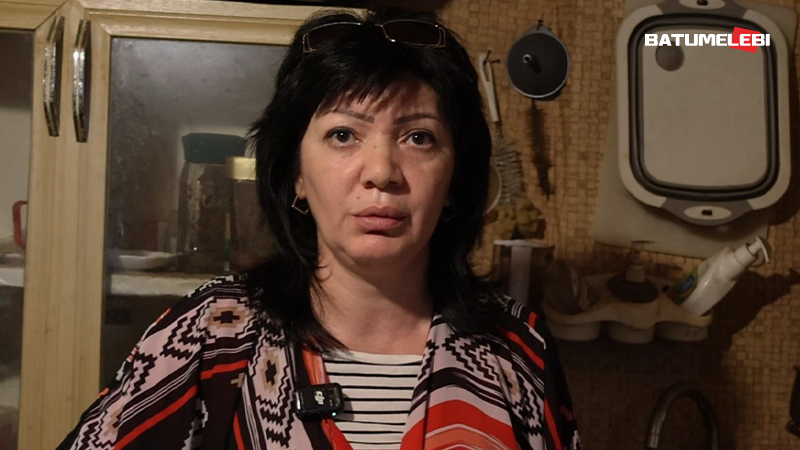
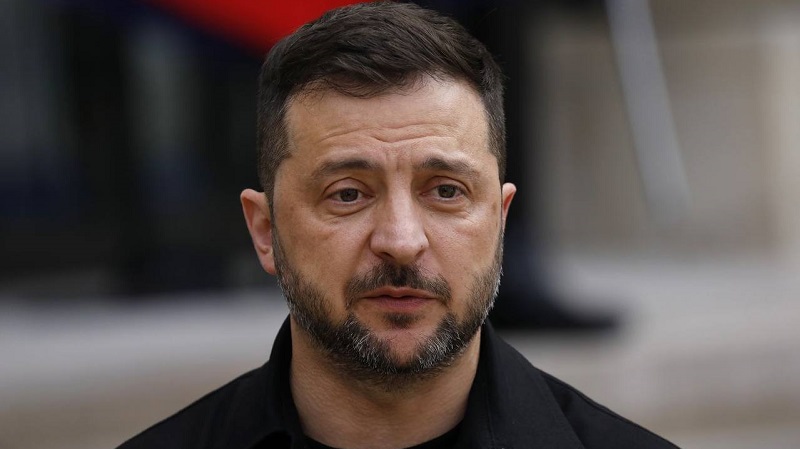
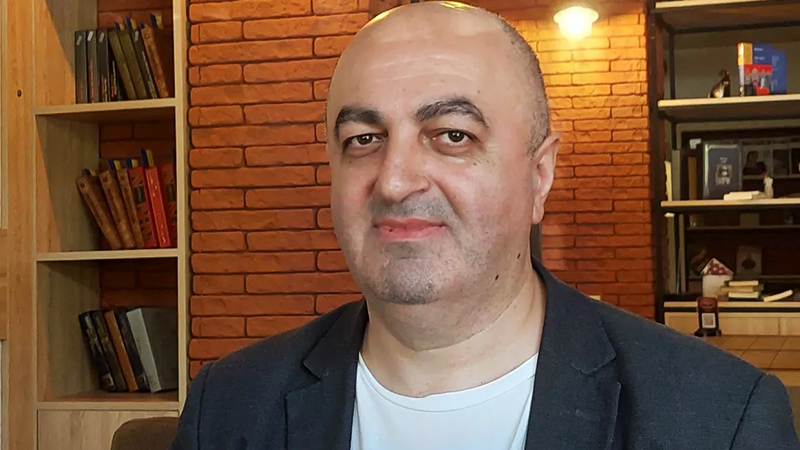
„ძალიან მარტივი შეხედულებაა ის, რომ თუ რელიგიური პირი გასწავლის, მორჩა, დანაშაულისკენ აღარ გაიხედავ. თვითონ ეკლესიის შიგნით სჩადიან სასულიერო პირები დანაშაულს და არღვევენ მცნებებს. ეს კლუბები ნამდვილად ვერ იქნება გარანტი იმისა, რომ მოსწავლეებს აღარ წაუცდებათ ხელი რაიმე ბოროტებისკენ“, – ამბობს ქართული ენისა და ლიტერატურის მასწავლებელი ნათია მანია განათლების სამინისტროს პროექტზე, რომელიც საჯარო სკოლებში სასულიერო პირების მიერ კლუბების შექმნას ითვალისწინებს.
რა რისკებს ხედავს პედაგოგი ამ პროექტში? – ნათია მანიას ამ თემაზე ვესაუბრეთ.
- ქალბატონო ნათია, რას ფიქრობთ იმაზე, რომ საჯარო სკოლებში პატრიოტიზმი და ღირებულებები მართლმადიდებელი ეკლესიის სასულიერო პირებმა უნდა ასწავლონ და სპეციალური კლუბები იქმნება ამისთვის. ღირებულებებს სკოლა ვერ ასწავლის დღეს?
ვფიქრობ, გარკვეულწილად ეს არის საზოგადოების საკმაოდ დიდი ნაწილის დაკვეთა და მოთხოვნა. რატომ ვფიქრობ ასე? მასწავლებელთა რამდენიმე ჯგუფში ვარ გაერთიანებული და იქაც და ზოგადად, სოციალურ ქსელებში ძალიან ხშირად, როცა რაიმე კრიმინალური შემთხვევა მოხდებოდა სკოლაში, ან მოსწავლე თუ ჩაიდენდა რაიმე დანაშაულს, შემხვედრია უამრავი კომენტარები, რომ „დააბრუნეთ რელიგიის გაკვეთილები“, „რელიგია დააბრუნეთ სკოლაში“, „ქრისტიანობა გვჭირდება“ და ასე შემდეგ.
როგორც ჩანს, ლიბერალური ღირებულებების მქონე საჯარო სკოლის იდეა საზოგადოების ნაწილში ნდობას არ იწვევს და უფრო მეტი ნდობა აქვს საქართველოს მართლმადიდებელ ეკლესიას. შესაბამისად, საზოგადოების დაკვეთაა ასეთი, რომ ღირებულებებს მასწავლებელი ვერ ასწავლის, სკოლა ვერ ასწავლის და მოდით, ეს ასწავლოს სასულიერო პირმა.
- რატომ აქვთ ამის განცდა, თქვენი აზრით?
ამას მრავალი მიზეზი აქვს. ჯერ იყო და საბჭოთა კავშირი, რომელიც ეგონათ, რომ არასდროს დაინგრეოდა, დაინგრა და შეირყა ადამიანების აწყობილი ცხოვრება. 90-იან წლებში საბჭოთა კავშირის დანგრევის შემდეგ საქართველომ დამოუკიდებლობა მოიპოვა, მაგრამ ძალიან მალე მოხდა სახელმწიფო გადატრიალება და საზოგადოებას თითქოს მიწა გამოეშალა ფეხქვეშ, ვეღარ ხედავდნენ მომავალს.
ჯერ პუტჩისტები მოვიდნენ, შემდეგ შევარდნაძე და მოკლედ არაფერი არ იყო მყარი, საიმედო. ადამიანებს რაღაცაზე უნდოდათ დაემყარებინათ თავიანთი რწმენა და ეს აღმოჩნდა ეკლესია. თვითონ ეკლესიაც ბევრს მუშაობდა იმისთვის, რომ ეს დამოკიდებულება ჩამოყალიბებულიყო ადამიანებში. რწმენა მისტიკურ, თვალით უხილავ ცნებებს ეყრდნობა და შესაბამისად, იმედგაცრუებაც უფრო რთულია. თუ რამემ ვერ გაამართლა შენი იმედი რელიგიაში, რაღაცამ დაგწყვიტა გული, ეს შეგიძლია ათასნაირად განმარტო.
ეკლესიის გაძლიერებასა და მისი ავტორიტეტის გამყარებას ჩვენმა მთავრობებმაც ძალიან შეუწყვეს ხელი. მიუხედავად იმისა, რომ ეკლესიის წინააღმდეგ ბრძოლაში ადანაშაულებენ, სააკაშვილის მთავრობაც ძალიან დაეხმარა ეკლესიას გაძლიერებაში ინსტიტუციურად და ფინანსურადაც.
თუმცა არსებობს საპირისპირო დამოკიდებულებაც: საზოგადოების გარკვეულ ნაწილში პირიქითაა, ეკლესიის ავტორიტეტი დაცემულია.
მასწავლებლების ავტორიტეტს რაც შეეხება, ცხადია ის არ უტოლდება ეკლესიის ავტორიტეტს საზოგადოების ნაწილში და ამისთვისაც მთავრობამ იმუშავა, რადგან მათი რეფორმები იყო გაუთავებელი, არათანმიმდევრული და ვერ მოიტანა შედეგი. მაგალითად, თავიდან იყო საუბარი იმაზე, რომ ვინც ვერ ჩააბარებდა პროფესიულ გამოცდას, წავიდოდა სკოლიდან. მაგრამ გამოცდები გაიწელა უზომოდ დიდხანს და ზოგმა მასწავლებელმა გამოცდის ჩაბარების გარეშეც მშვენივრად მიიღო სტატუსი და შეინარჩუნა ადგილი.
თუ თავის პროფესიაში არ არის მცოდნე მასწავლებელი, ის ვერც ღირებულებებს ასწავლის, ალბათ, ასე ფიქრობს საზოგადოება. ამით სარგებლობს მთავრობა და დაკვეთას ასრულებს – არ გაკმაყოფილებს მასწავლებელი? აგერ, ბატონო, მოგიყვანე სასულიერო პირი და ის ჩაუნერგავს ბავშვებს ღირებულებებს.
- არაერთი ჟურნალისტური გამოძიება ვნახეთ, თავად სუს-ის ფაილებმაც აჩვენებს, რომ კორუფცია და ადამიანური სისუსტეები არც სასულიერო პირებისთვისაა უცხო.
ვფიქრობ საზოგადოების მოაზროვნე, საკუთარ თავთან გულწრფელი ნაწილი ამას კარგად ხვდება, რაღაც ნაწილი კი თვალს ხუჭავს. რატომ არ უნდა ჰყავდეს ჩვენს მღვდელს და ეპისკოპოსს კარგი მანქანა? – ასე პასუხობენ ისინი კრიტიკას. მესმის, რომ ესეც არის პროპაგანდის ნაწილი, ფაქტია, რომ პროპაგანდა მუშაობს და ჭამს ამას მოსახლეობის ნაწილი.
მე პირადად, არ მიმაჩნია მიზანშეწონილად სასულიერო პირების საჯარო სკოლაში ამ ფორმით შეყვანა, რადგან ნამდვილად არ ვარ დადებითი აზრის სასულიერო პირების უმრავლესობაზე, რადგან თუ ქრისტეს ქადაგებენ, მაშინ ქრისტეს მოძღვრებაში მატერიალურ სიკეთეებს დიდი როლი არ უნდა ჰქონდეს, მაგრამ ფუფუნებაში ცხოვრობენ და აშკარად ძალიან დიდ ქონებას ფლობენ პირადადაც და თვითონ ეს ინსტიტუციაც დიდ ქონებას ფლობს.
ამ ყველაფერს რომ დავანებოთ თავი, არ მომწონს იდეოლოგიზაცია და ბავშვების რელიგიური ინდოქტრინიზაცია. არ აქვს მნიშვნელობა, რომელი რელიგიაა, სკოლებში არ უნდა იყოს რელიგიური ინდოქტრინიზაცია. ეს უნდა იყოს გამორიცხული.
ზოგადად, რელიგიას ვერ გამოვრიცხავთ ადამიანთა ცხოვრებიდან, რადგან ასეთია ადამიანთა საზოგადოება, უმეტესობას სჭირდება სწამდეს ღმერთი და ვერც ავუკრძალავთ ვერავის სწამდეს, როგორც ეს იყო საბჭოთა კავშირში, მაგრამ სკოლა რელიგიის გარეშე უნდა იყოს.
- თქვენ ფიქრობთ, რომ ეს ინდოქტრინაციის სახეს მიიღებს?
მართალი გითხრათ, მე არ დავსწრებივარ მათ გაკვეთილებს, მაგრამ ვარაუდით შეიძლება ვიფიქრო, რადგან ზოგადად, სასულიერო პირების უმრავლესობა ძალიან რადიკალურია და ზოგადად, ყველა რელიგიური მიმდინარეობა გვიმტკიცებს ხოლმე, რომ თვითონ არის ჭეშმარიტი და მეტი ჭეშმარიტება არ არსებობს.
ესენი საკუთარ თავს ხომ არ უღალატებენ? იგივე უნდა ილაპარაკოს სკოლაშიც. ხომ არ იტყვის – „არა ბავშვებო, მართლმადიდებლობა კარგია, მაგრამ ისლამიც კარგია, აგერ პროტესტანტებიც მშვენიერი ადამიანები არიან, ან რას ვერჩით ბუდისტებს?“ შესაბამისად, ეს თავისთავად ასე იქნება. ამას თავს ვერ აარიდებს რელიგიის მსახური.
- გამოდის, იდეოლოგიური და პოლიტიკური პროპაგანდის იარაღი შეიძლება გახდეს ეს პროექტი ხელისუფლების ხელში?
შეიძლება გახდეს. არ ვიცი ზუსტად, ეს მიზანი აქვთ თუ არა. მე უფრო მარტივად ვუყურებ, რომ აი, საზოგადოებას უნდა და მოდი გავახაროთ.
- საზოგადოებას სხვა რამეც უნდა. მაგალითად ის, რომ, მათი შვილები გამოკვებონ სკოლაში. თუმცა არ შეუსრულეს ეს მოთხოვნა. რატომ მაინც და მაინც ეს შესრულდა?
შვილების გამოკვება ფინანსებთან არის დაკავშირებული და ორგანიზებასთან, სასულიერო პირების შეყვანას კი გაცილებით ნაკლები რესურსები სჭირდება. სასულიერო პირებსაც მოსწონთ ეს, მრევლს იმრავლებენ და რატომაც არა.
- კომენტარებს გადავხედე ფეისბუქში და ასეთ ფრაზებსაც წერდნენ – „ღვთის მცნებებით აღზრდილი ბავშვები აღარ გაიმეტებენ ერთმანეთს მოსაკლავად, დასაბულინგებლად“. ლიბერალიზმიც ხომ იგივე პრინციპებზე დგას, რომ არ უნდა დაჩაგრო სხვა, არ მიიტაცო სხვისი, პატივი სცე ადამიანის უფლებებს. თუ მღვდელი ეტყვის, რომ არ დაჩაგრო ან არ სცემო, ამით ძალადობა შემცირდება სკოლაში?
რელიგია არ დაიყვანება მხოლოდ მცნებებზე „არა იპარო“ ან „არა კაც კლა“. გაცილებით უფრო მრავლისმომცველია და რაც მთავარია, რელიგიაში არის დოგმატიკა. ის სასულიერო პირებიც კი, რომლებიც ცდილობენ რომ უფრო ლიბერალურები და თანამედროვეები იყვნენ, მრევლისგან იმსახურებენ ხოლმე რისხვას და ხდებიან კრიტიკის ობიექტები.
სასულიერო პირების სკოლაში შემოსვლით დანაშაული რომ მოიკლებს, მკვლელობები და ქურდობა რომ შემცირდება, ამის მოლოდინი არ მაქვს. მთელი შუა საუკუნეები ქრისტიანობა იყო გაბატონებული საქართველოში, თუნდაც ევროპაში, ფაქტობრივად რელიგიის გარშემო ტრიალებდა მთელი საზოგადოების ცნობიერება, სასწავლებლებშიც სწავლობდნენ კატეხიზმოს და ბიბლიას, და რა, არ ხდებოდა მკვლელობები?
ძალიან პრიმიტიულია მოსაზრება, რომ თუ რელიგიური პირი გასწავლის, მორჩა, დანაშაულისკენ აღარ გაიხედავ. თვითონ ეკლესიის შიგნით სჩადიან სასულიერო პირები დანაშაულს და არღვევენ ამ მცნებებს. ამიტომ ეს ნამდვილად ვერ იქნება გარანტი იმისა, რომ მოსწავლეებს აღარ წაუცდებათ ხელი რამე ბოროტებისკენ.
- სხვადასხვა კვლევებში ვკითხულობთ, რომ ეკლესიას 90%-იანი ნდობა აქვს, რომ ქართველები მართლმადიდებელი ერი ვართ და ასე შემდეგ. მაგრამ ისიც ფაქტია, რომ ძალიან მაღალია კორუფცია ამ ქვეყანაში, აღზევებულია კრიმინალური მენტალიტეტი. ეს როგორ უნდა ავხსნათ მაშინ?
არ ვიცი, მე არ მესმის ეს ლოგიკა. მაგრამ ჩემთვის ძალიან გასაოცარია ის, როცა ადამიანი ამბობს, რომ ძალიან მორწმუნეა, მაგრამ აქვს „ქურდული მენტალიტეტი“, მოსწონს საბჭოთა კავშირი და უყვარს სტალინი, რომელსაც მილიონები ჰყავს დახვრეტილი. როგორ ახერხებენ ამას არ ვიცი, გაოცებული ვარ.
როგორ შეიძლება მორწმუნე იყო და ამავდროულად ქურდული მენტალიტეტის მატარებელი. ანუ არსებობს ხალხი, რომელიც არ მუშაობს, არ ხნავს, არც თესავს, არაფერს აწარმოებს და ისე უნდა მისცეს ვიღაცამ ფული. როგორ არის ეს რელიგიასთან კავშირში, ვერ გეტყვით.
- ვაჟა-ფშაველათი ვერ ასწავლიან ღირებულებებს, ან „ვეფხისტყაოსნით“? ძალიან ბევრი ნაწარმოებია, რომელიც საუბრობს პატრიოტიზმზე, მეგობრობაზე და ეს არ არის საკმარისი?
როგორც ჩანს, საზოგადოება თვლის, რომ არ არის საკმარისი. მხატვრული ლიტერატურა უბრალოდ გაჩვენებს: რა არის სწორი, რა არასწორი, დაგაფიქრებს, გიღვიძებს ემპათიას და არ წერია არსად, რომ თუ ცუდს ჩაიდენ, დაისჯები. ეს არ არის წარმმართველი მხატვრულ ლიტერატურაში. კარგი ლიტერატურა უბრალოდ იმას გაჩვენებს, რომ ადამიანი უნდა შეიყვარო და სხვას ტკივილი არ უნდა მიაყენო, რადგან ისიც შენნაირი ადამიანია. რელიგია კი ამას სხვა მხრივ უყურებს, რომ თუ შესცოდავ, ღმერთი დაგსჯის, ჯოჯოხეთში მოხვდები. როგორც ჩანს, საზოგადოება ფიქრობს, რომ ჯოჯოხეთის შიში თუ არ ექნებათ ბავშვებს, საჭირო ღირებულებების ჩანერგვისთვის ლიტერატურა არ ეყოფათ.
- ჯოჯოხეთის შიშით რომ აღზრდი თაობებს, ის იაზროვნებს კრიტიკულად?
ჩემთვის არ არის ეს ნორმალური, მაგრამ ვიღაც თვლის, რომ სხვაგვარად არ გამოდის, თუ არ დააშინებ.
- თუმცა ისტორიული გამოცდილება და რეალობა გვაჩვენებს, რომ ქვეყნები სადაც თეოკრატიული მმართველობაა (ირანის, ავღანეთის მაგალითი ავიღოთ თუნდაც), მიმართულია ადამიანების ჩაგვრაზე. ხომ არ შემოგვიბრუნდება საზიანოდ ეს ყველაფერი?
თეოკრატია კი არა, რელიგიური ელემენტების გადაჭარბებული მოძლიერებაც კი მაშინვე პრობლემას ქმნის ქვეყნებში. მაგრამ საქმე ის არის, რომ თვითონ საზოგადოება ამას სხვანაირად უყურებს.
ალბათ ასე ფიქრობენ, რომ ირანული თეოკრატია იმიტომ არ ვარგა, რომ მუსლიმურია და მართლმადიდებლური თეოკრატია კარგი იქნება. დღეს არ გვაქვს ასეთი მაგალითი წინ, რომ ამით იმსჯელონ, მაგრამ თუ გადახედავენ შუა საუკუნეების ისტორიას, თუნდაც მე-18, მე-19 საუკუნეს, რა დადებითი როლი ჰქონდა ჩვენს რელიგიას და რა – უარყოფითი, ამას ჩვენ არავინ გვასწავლის.
მსჯელობა მიდის მხოლოდ იქითკენ, რომ თუ ცუდები ვართ, იმიტომ ვართ, რომ საკმარისად რელიგიურები არ ვართ და საკმარისად არ გვწამს ღმერთი.
- „ქართულმა ოცნებამ“ საქართველო ისევ მოაქცია რუსული გავლენების ქვეშ და ხალხის ევროპულ არჩევანს სერიოზული საფრთხე შეუქმნა. ანტიდასავლურ რიტორიკაში მას ხშირად ეხმარება ეკლესიაც. ვიცით მათი ბმა რუსულ ეკლესიასთან. არსებობს იმის რისკი, რომ „პატრიოტიზმის“ სახელით სკოლებშიც დაიწყონ ანტიდასავლური განწყობების გაძლიერება?
გარანტია რა თქმა უნდა, არ არსებობს. ესეც დამოკიდებული იქნება პიროვნებებზე, თვითონ იმ სასულიერო პირებზე, ვინც შევა სკოლაში.
თუ გავითვალისწინებთ იმას, რომ ზოგადად ჩვენი ეკლესია ძალიან დამოკიდებულია რუსეთის ეკლესიაზე და პირდაპირ თანამშრომლობენ მათთან, არ არის გამორიცხული, რომ რუსეთის მიმართ სიმპათიები ჩაგვინერგონ ამ ღონისძიებებით. თუმცა, ზუსტად ასე მოხდება-მეთქი, ამასაც ვერ ვიტყვი.
- რეპრესიული კანონების მეშვეობით ფაქტობრივად სამოქალაქო სექტორი გამოდევნეს სკოლებიდან, ამიტომ რამდენად რეალურია, რომ „ოცნება“ სკოლაში ისეთ ხალხს შეუშვებს, ვინც მათ იდეოლოგიას შეეწინააღმდეგება?
არა მგონია, ისეთი ვინმე შეუშვან სკოლაში, მათთვის არასასურველ პოლიტიკას რომ გაატარებს ან გააჩერონ იქ. აქ სხვა რამეც არის გასათვალისწინებელი. საკმაოდ მრავალეთნიკური, მრავალრელიგიური და მულტიკულტურული საზოგადოება ვართ და ამ მხრივაც ასეთი პოლიტიკა არ არის სწორი.
ისეთებიც არიან, ვინც ამბობს, რომ „ეს მართლმადიდებლური ქვეყანაა“, „ჩვენ უმრავლესობა ვართ და სხვამ რაც უნდა ის ქნას“, სხვებს უფლება არ აქვთ პროტესტი გამოხატონ, მაგრამ როცა ბავშვებთან გვაქვს ურთიერთობა, ასეთი მიდგომა არ შეიძლება.
არასწორია, რომ ღირებულებებზე გელაპარაკება მაინცდამაინც მართლმადიდებლური ეკლესიის წარმომადგენელი. თუ მართლმადიდებელი არ ვარ, გამოდის, რომ არ ვარ ღირებულებების მატარებელი?!
- თანაც ამბობენ, რომ ეს ყველაფერი არჩევითია. ანუ ვიღაც შევა ამ კლუბში და ვიღაც არა. გამოდის, ბავშვების ნაწილს ასწავლიან პატრიოტიზმს და ღირებულებებს და ნაწილს არა? მაშინ როგორ გაუგებენ ეს ბავშვები ერთმანეთს?
ესეც საინტერესოა. ზოგადად, ინდოქტრინაციის მიზნით არა, მაგრამ სასულიერო პირების შესვლა სკოლაში იმ მხრივ, რომ გააცნო რელიგიური მრავალფეროვნება, გააცნო შენი რელიგიის ძირითადი პოსტულატები, რა არის კარგი ამ რელიგიაში და თან ბავშვებს ერთმანეთის რელიგიების მიმართ შიშისა და უცხოობის გრძნობა ჩაუქრო, ამ მხრივ ცუდი არ იქნებოდა. აქ ვგულისხმობ სხვა რელიგიების წარმომადგენლების შესვლასაც სკოლაში.
ამ შემთხვევაში არც სეკულარიზმის პრინციპი დაირღვეოდა და ბავშვებსაც აღარ ექნებოდათ შიშები განსხვავებულის მიმართ.
თუ რამეს ვაშავებთ რელიგიის სახელით, ეს არ უნდა მოვუთმინოთ ერთმანეთს მაგრამ, თუ მშვიდობიანი ხალხი ვართ და არაფერს ვაშავებთ, უნდა შეგვეძლოს თანაცხოვრება განსხვავებული რელიგიის, კულტურის მქონე ადამიანებთან და მეტ-ნაკლებად უნდა ვიცნობდეთ ერთმანეთის რელიგიას და განხორციელებულა კიდეც მსგავსი პროექტები სკოლებში (ქართულ სკოლებში არ ვიცი) როცა მაგალითად კათოლიკე, პროტესტანტი, მართლმადიდებელი, მუსლიმი, იუდაისტი სასულიერო პირები თავიანთ რელიგიურ სიმბოლოებს აცნობდნენ ბავშვებს, რომ იცოდეს ვთქვათ ბავშვმა რა ნიშნავს ჯვარი, დავითის ვარსკვლავი თუ ნახევარმთვარე … უყვებოდნენ მოკლედ რელიგიაზე და ასე შემდეგ.
- ჩვენ ვიცით, რომ ზოგადი განათლების შესახებ კანონით სკოლა თავისუფალი უნდა იყოს რელიგიური გავლენებისგან, აკრძალულია რელიგიური ატრიბუტიკის გამოყენება. ეს კლუბები არ მოდის ამ კანონთან წინააღმდეგობაში?
საჯარო სკოლის კონცეფციას როგორც უნდათ ისე შეცვლიან, როგორც უნდათ ისე ჭრიან და კერავენ ახლა. შესაძლოა ცვლიან კიდეც, საბოლოოდ მშვენივრად მოიყვანენ შესაბამისობაში.