August 7 marks 17 years since Russia’s invasion of Georgia in 2008
Today, Georgian opposition leaders, international diplomatic missions, civil society activists, and members of the public honoured the memory of the fallen heroes and civilians who lost their lives due to the Russian occupation. Georgian Dream did not.
Another date often associated with the start of the August 2008 War is 08/08/08 — a narrative heavily promoted by Russia, which claims it intervened solely to “defend” civilians in the Tskhinvali region. However, it has been thoroughly documented and proven that the war began on August 7, when Russia launched a premeditated invasion of Georgian territory — in blatant violation of international law, a pattern it has repeated in other conflicts since.
In 2024, the Foreign Ministry of Georgia, officially shifted its commemoration to August 8 — aligning with the date long promoted by Moscow. So, last year, for the first time since Georgian Dream party coming to power, Georgia’s MFA broke with the tradition it had upheld for over a decade and issued official statements on August 8, 2024, like Moscow did.
This marks the second consecutive year the Georgian Dream government has followed Russia’s lead — yet another signal of its pro-Russian turn.
August War 2008
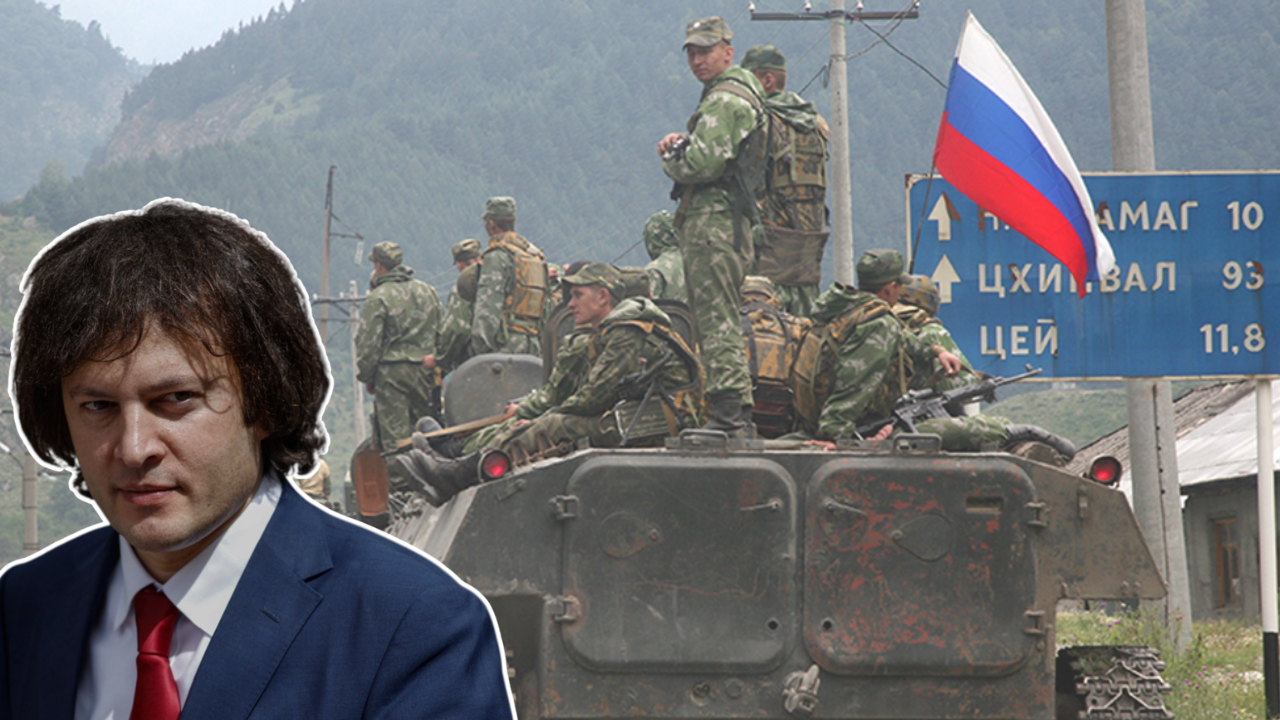
Seventeen years ago, Russia — a country approximately 245 times larger than Georgia — invaded and occupied additional Georgian territories, bringing the total occupied area to over 20% of the country. In 2008, Russia “recognized the independence” of two Georgian regions that were, and still are, under its military control — a tactic it would later repeat in Ukraine.
Since 2008, the so-called “creeping occupation” has continued, with Russian forces gradually shifting the occupation line deeper into Georgia-controlled territory. The occupation line has divided families and, most disturbingly, cost civilian lives.
Each year, numerous incidents of kidnappings, illegal detentions, and even killings by Russian occupation forces are documented. In some of the most recent and horrifying cases, Georgian citizens were shot dead while visiting churches or the graves of their loved ones during religious holidays.
The August 2008 War claimed the lives of many Georgian civilians and soldiers, with some subjected to torture.
One of the most well-known cases is that of young Georgian soldier Giorgi Antsukhelidze, whose torture was filmed and circulated by Russian occupying forces. In the video, Russian soldiers are seen ordering Antsukhelidze to step on the Georgian flag including other humiliating actions. He refused — and was tortured to death for it.

Giorgi Antsukhelidze — on the right, an image from the video documenting his torture by Russian occupiers
Antsukhelidze was posthumously awarded the title of National Hero of Georgia. He had two children: a son, Levani, who was less than a year old at the time of his father’s death, and a daughter, Ana, who was born after the tragedy.
Another National Hero of the August 2008 War, Vakhtang Gzirishvili, was killed at the age of 20 on August 8, 2008, in a Russian airstrike near the village of Tbeti. He died while evacuating wounded fellow soldiers to safety.
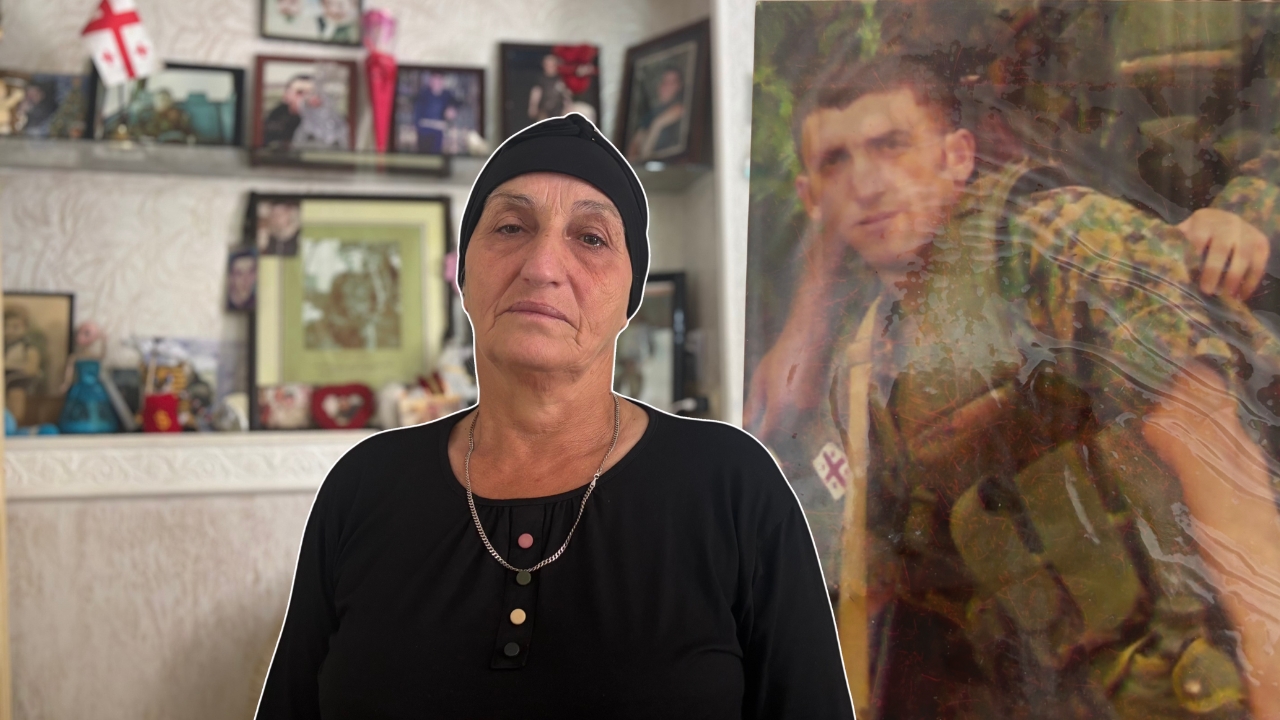
His mother, Marina Gzirishvili — who passed away in summer of 2024 — shared Vakhtangi’s final letter, written to her on the morning of August 7, 2008:

Vakhtang Gzirishvili, National Hero of Georgia
“The war has begun. I’ve known for a long time that it would. I felt it. You probably felt it too.
But the difference is, you’re afraid of losing me — while we are afraid of nothing.
Mom, I want you to see this war the way I see it — without fear, without worry.
Mom, if my fate is to end in this war, if I am meant to die here, I will make the enemy pay dearly for my life. And let it never bring you shame that I am your flesh and blood.
You can proudly say that your son defended his homeland. I am grateful to you, Mother, for teaching me truth and courage. Remember — Georgian mothers used to send their sons to certain death without tears, because death for the homeland is no place for weeping.
Farewell — and don’t be sad.”
Cover Photo:A column of Russian troops moves from North Ossetia toward Tskhinvali, August 8, 2008.
Photo: Musa Sadulayev