On August 1, 2025 Maia Mtsariashvili, the lead defense lawyer in Mzia Amaglobeli’s case, delivered an almost eight-hour-long closing statement.
She began by emphasizing the political nature of the case, saying it had placed her in an unusual position — more as a human rights defender than simply a lawyer.
Mtsariashvili opened her remarks by addressing who Mzia Amaglobeli is and how she has been targeted by nearly every state institution and high-ranking official through smear campaigns, defamation, and false accusations.
She noted that the defense had repeatedly requested the questioning of top government officials who had made public claims portraying Amaglobeli as operating within an “agentic framework” and allegedly tasked with attacking a police officer — referring to a slap.
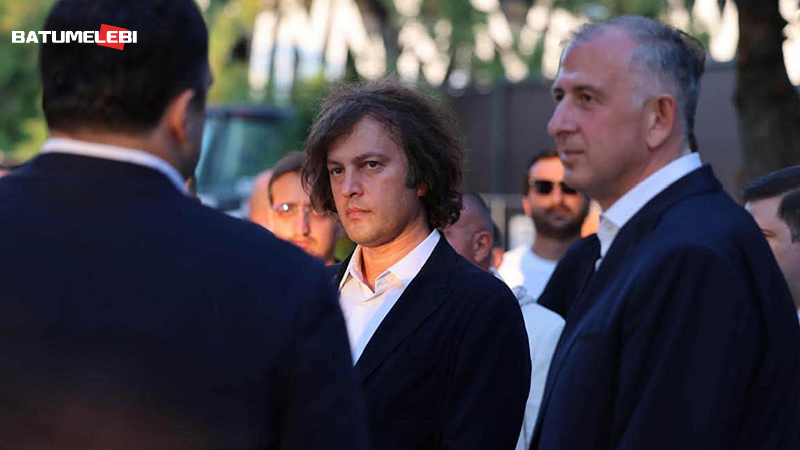
Before turning to a detailed review of witness testimonies, evidence, contradictions, rights violations, legal misconduct, and Supreme Court precedents, Mtsariashvili dedicated significant time to reading public statements made since January by Georgian Dream-appointed Prime Minister Irakli Kobakhidze and other officials.
She concluded the long list of quotes by addressing the judge directly, asking whether she could withstand such political pressure:
“Let them confess, confess, confess, and then we’ll talk. Let them confess, and then we’ll talk,” — I don’t quite understand, are we supposed to confess here and then speak with Mr. Prime Minister about what the consequences of that confession would be? What procedure the government is proposing? I’m appalled.
Nevertheless, the threats and pressure I just read (coming from state officials) are all daisies compared to what Dgebuadze did to Mzia — when he swore at her with obscene language, spat in her face, chased after her — they had to restrain him so he wouldn’t “get even” with her on the spot. And then, how he did “get even” with her inside the building.
Yet, that is even more severe pressure — can you imagine? These (the authors of the threats and pressure) are the highest-ranking officials in the government. In fact, the government has essentially already delivered a verdict and determined the punishment: they’ve told us repeatedly that this is a very serious felony — grave, serious… and then, at the end, they remembered to say that perhaps the court might discuss it within the sentencing range.
However, do you know what my question to you is, Madam Judge? The main one — how will you convince us, or how can any objective observer living in this country and aware of this reality possibly believe that you have the capacity to withstand this kind of pressure?
Can you tell these government officials — through your decision — that they have no understanding of what the presumption of innocence means?
Can you tell them that they have no business commenting on a criminal case, preaching, or persistently demanding that Mzia Amaglobeli must confess guilt?
Can you tell the highest government officials — in your verdict — that this is not a grave crime? That no one asked for their opinion on legal qualification?
And perhaps you’ve formed a different opinion than theirs — can you tell them that through your decision?
I don’t believe there is such a judge in the Georgian judiciary today — please, don’t take that as a personal judgment.
But if a judge cannot say these things, if a judge cannot point them out to the government and, as they say, put them in their place when they overstep, then what expectations can we possibly have from such a court?
Can you imagine my role in all of this? I didn’t enter this profession yesterday — and today I must deliver a defense statement, while the Prime Minister is practically tailing Mzia Amaglobeli.
So what am I supposed to do? Respond to the Prime Minister — or am I supposed to have faith that this court can withstand such pressure?
Frankly, I’m sorry, but I do not believe this court has that capacity. And I don’t believe that any judge in this country does. Unfortunately.”
On August 4, Mzia Amaglobeli delivered her final statement before the court. The verdict will be announced on August 6 at 2:00 PM.
What You Need to Know
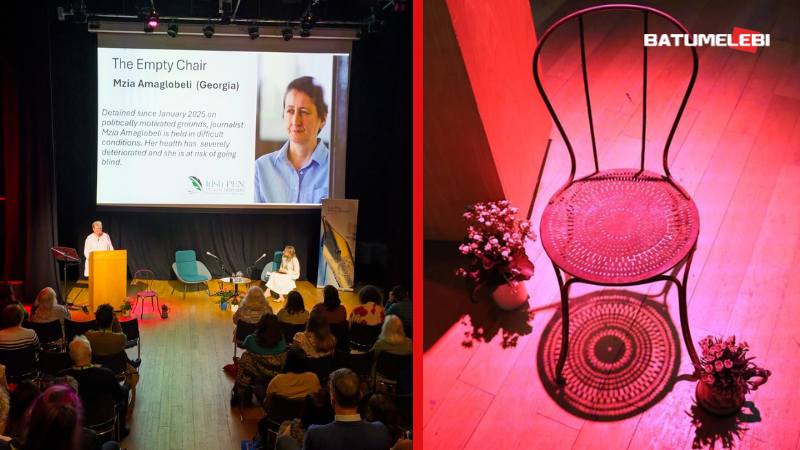
Mzia Amaglobeli is the co-founder and director of the media outlets Batumelebi and Netgazeti. She has been unlawfully imprisoned for almost seven months, with the prosecution accusing her of attacking a police officer after slapping one.
According to leading human rights defenders, the act of slapping, which caused no harm, does not constitute assault and is not a criminal offense at all. Even the Supreme Court has established that a slap does not qualify as an attack.
Leading global press freedom organizations have rallied around Mzia Amaglobeli’s case. Representatives from the Committee to Protect Journalists (CPJ), the International Press Institute (IPI), and Reporters Without Borders (RSF) visited the women’s prison colony in Rustavi on July 13 to show their solidarity with Mzia Amaglobeli. They also attended the court hearing in Batumi on July 14.
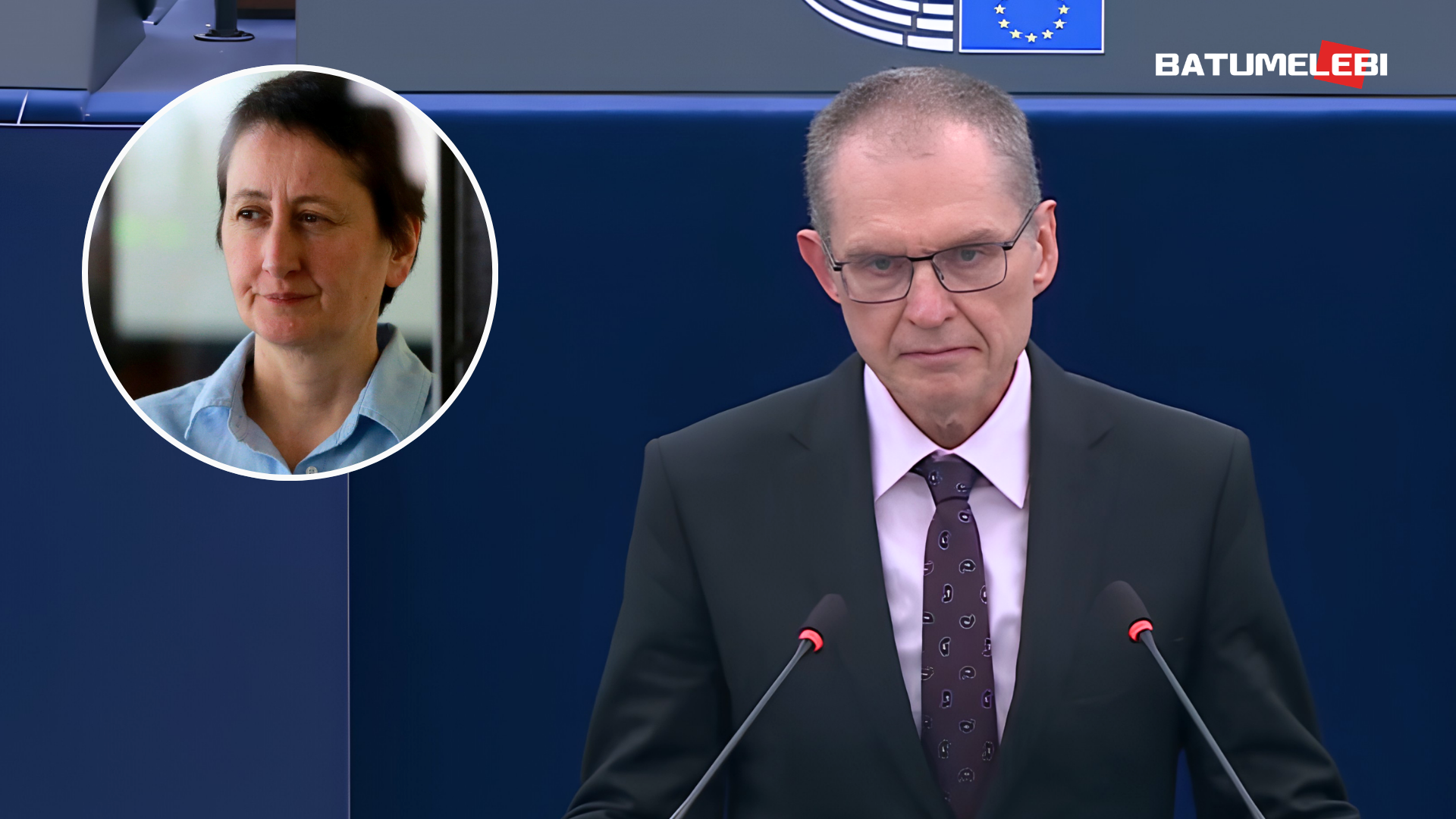
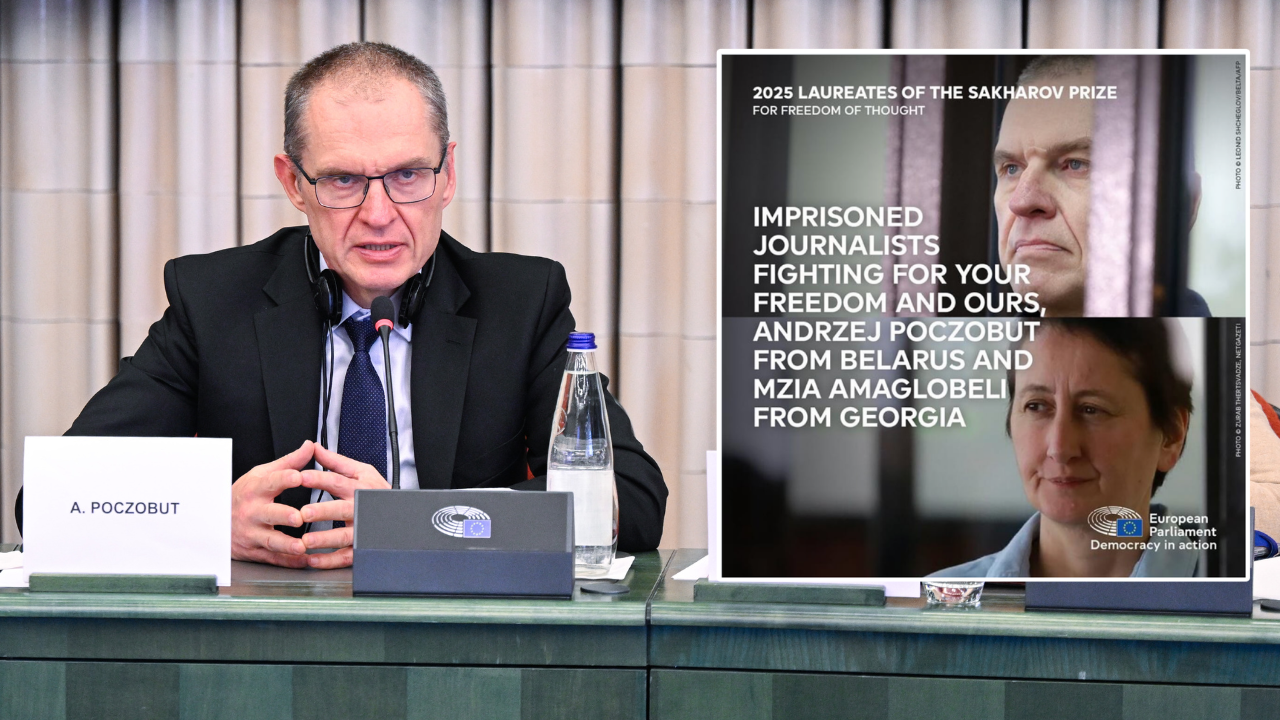
The European Parliament’s resolution includes a demand for the “immediate and unconditional release of Mzia Amaglobeli and the dropping of all politically motivated charges against her.” The resolution also expresses “deep concern over the critical deterioration of her vision while in custody” and calls for her immediate access to reliable medical care.
Mzia Amaglobeli’s case is currently under review by the European Court of Human Rights in Strasbourg.