“Georgian Dream” has filed an official complaint with the BBC.
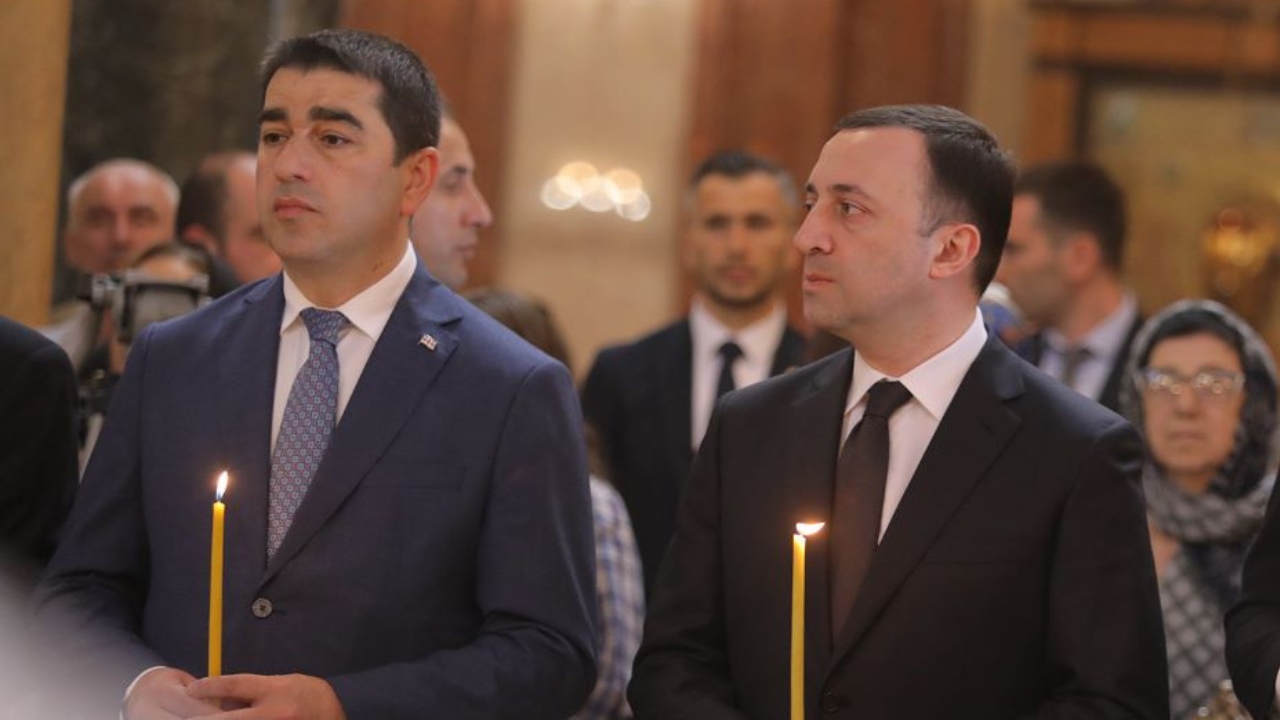
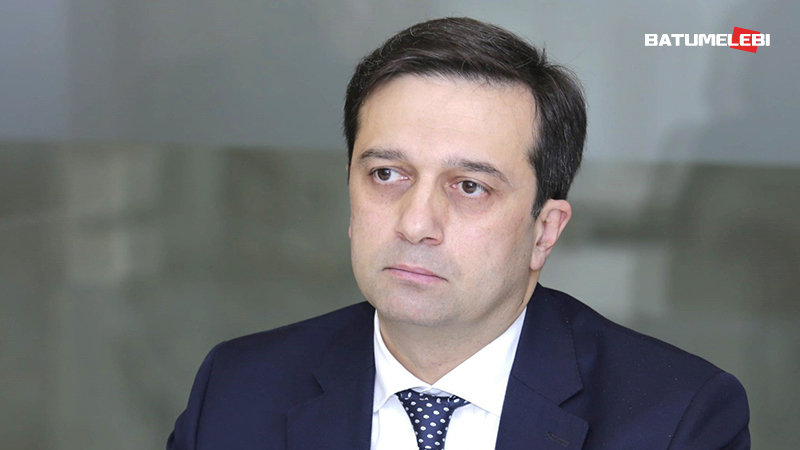
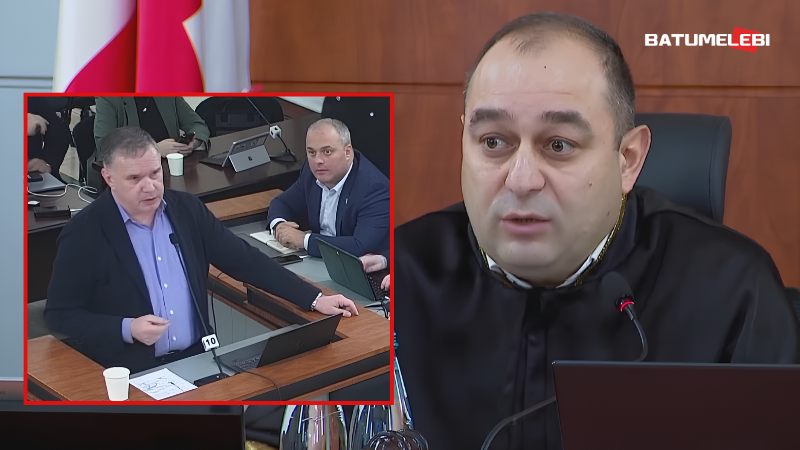
The announcement was made by Shalva Papuashvili, Speaker of Parliament of Georgian Dream. According to him, the complaint was submitted to the BBC yesterday, on January 14.
On December 1, the BBC published an investigative report alleging that chemical weapons dating back to World War I were likely used against protesters during last year’s anti-government demonstrations. Georgian Dream denies the allegation and calls it defamatory.
Papuashvili said that Georgian Dream is demanding the removal of the investigative film and related materials from the relevant platforms and a public apology from the BBC.
“The complaint is fully based on the BBC’s editorial guidelines, the UK communications regulator’s Broadcasting Code, and the case law of the European Court of Human Rights, which clearly establishes that when disseminating serious allegations, journalists have an obligation to meet the highest standards of accuracy, verification, and fairness.
Through our complaint, we are requesting the removal of the film and all related materials from the relevant platforms, as well as a clear and public apology from the BBC,” Papuashvili stated.
According to Papuashvili, UK law provides for a specific appeals procedure. If the BBC “does not correct the violation itself,” the next step will be to apply to the UK communications regulator. If the violation is “not remedied” there either, Georgian Dream will then have the option of taking the case to UK courts.
According to evidence obtained by the BBC, the Georgian authorities used a World War I–era chemical weapon, bromobenzyl cyanide, also known as Camite, against anti-government protesters last year. Georgian Dream has called the claim absurd and has threatened to sue the BBC.
Georgia’s State Security Service (SSS) has launched an investigation under two articles of the Criminal Code: abuse of official authority and assisting a foreign organization in hostile activities. As part of the investigation, doctors whose research is cited in the BBC’s report have been summoned for questioning.
Regarding the possible use of chemical weapons during the November–December 2024 protests, Georgia’s fifth president, Salome Zourabichvili, has appealed to the Organisation for the Prohibition of Chemical Weapons (OPCW), the United Nations, and the Council of Europe’s high-level human rights representatives to examine the issue.
Georgia’s third president, Mikheil Saakashvili, has also appealed to the Office of the Prosecutor of the International Criminal Court (ICC) in The Hague, urging it to pay attention to possible violations of international humanitarian law that may have occurred in Georgia in November–December 2024.