The ruling Georgian Dream party is invoking the murder case of Sergeant Roin Shavadze and past violations of journalists’ rights as arguments to ban the United National Movement and other opposition parties. The constitutional complaint has been assigned to the same judge who, as a prosecutor, oversaw the original investigation of Shavadze’s case during the UNM government. Most of the journalists and media outlets cited in the complaint — including Batumelebi — are now facing unprecedented repression under the Georgian Dream’s rule.
The ruling party Georgian Dream has filed a constitutional complaint seeking to ban opposition political parties — a case assigned to a collegium chaired by a judge who previously served as a Chief Prosecutor of Adjara during the rule of the United National Movement (UNM), the party requested to be banned.
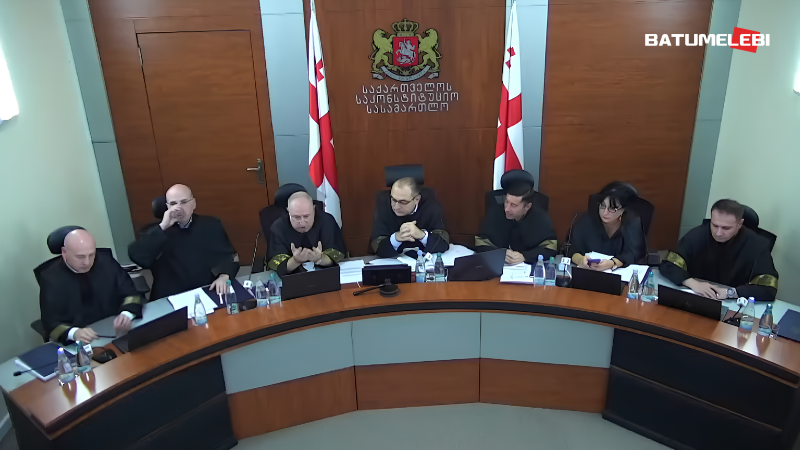
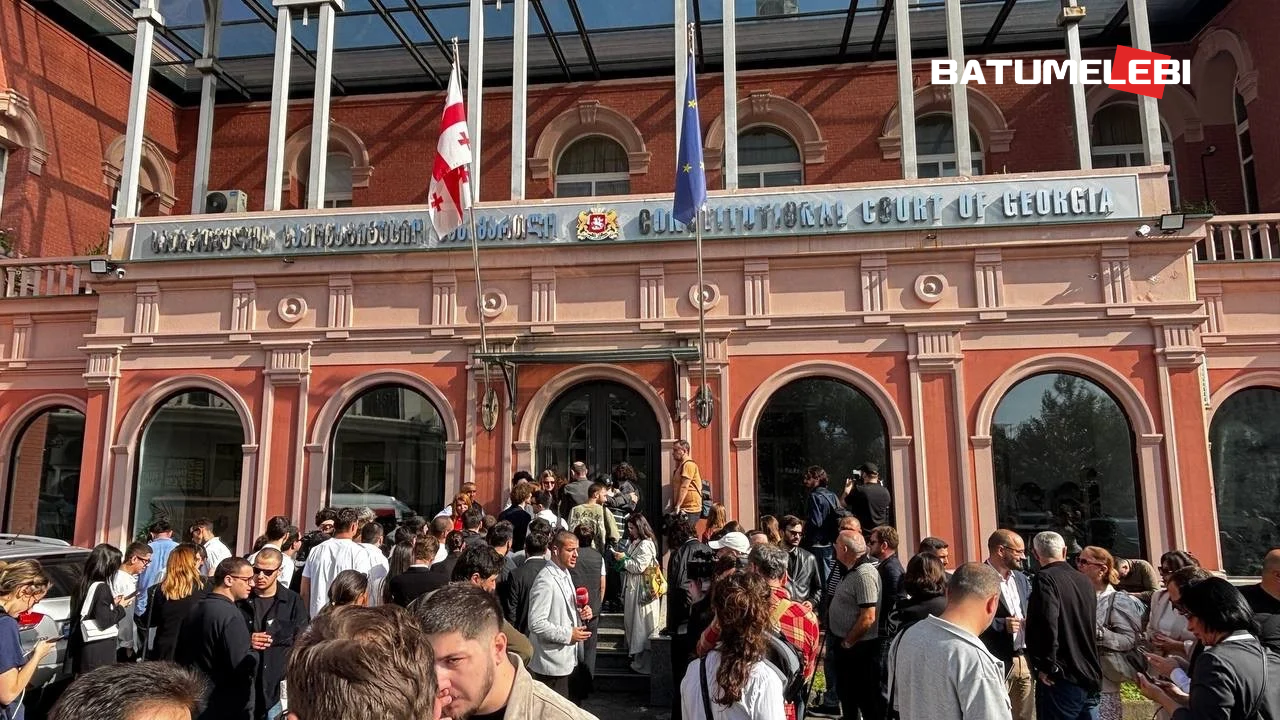
The case on banning opposition political parties is being examined by the First Collegium of the Constitutional Court of Georgia. The panel includes judges Eva Gotsiridze, Giorgi Kverenchkhiladze, Giorgi Tevdorashvili, and Vasil Roinishvili, who chairs the collegium.
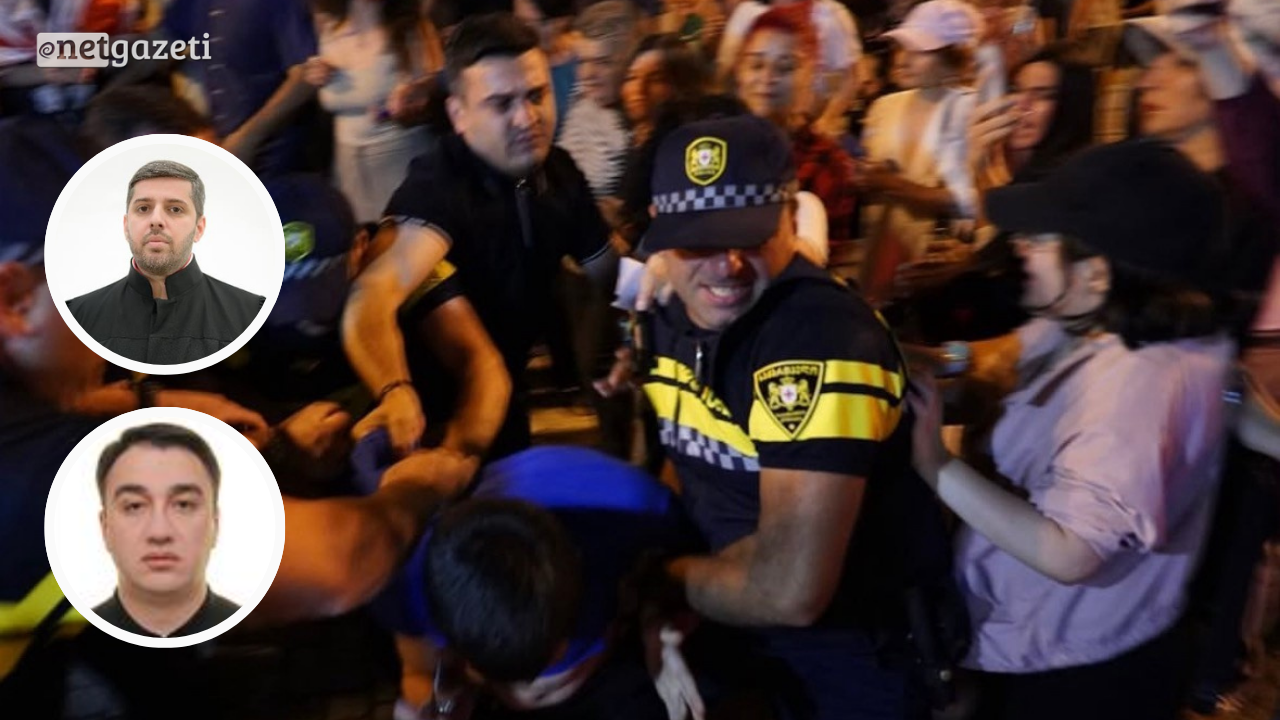
Vasil Roinishvili served as Chief Prosecutor of Adjara when the UNM was in power and when Sergeant Roin Shavadze was killed in Batumi.
In 2020, the European Court of Human Rights found that Georgia had violated the right to life guaranteed by the European Convention in the “Roin Shavadze case.”
Roinishvili was questioned by investigators in September 2023 regarding this case. He was among the senior officials responsible for investigating the brutal, group murder of the sergeant. Instead of being held accountable, Roinishvili was promoted – he has served as a Constitutional Court judge since 2020.
In their constitutional complaint, Georgian Dream MPs cite the “Roin Shavadze case” as one of the grounds for banning the UNM party. This means the case could be reviewed by Judge Vasil Roinishvili — the same person who was Chief Prosecutor at the time of Shavadze’s killing.
The “Georgian Dream” constitutional complaint reads:
“During its time in power [2004–2012], the United National Movement created and developed a system of murder and other forms of violence. During that same period, it committed numerous violent acts involving torture and violations of the right to life, engaging in manifestly unconstitutional activities that went beyond isolated incidents and took on a systemic character.
All this is confirmed by facts and evidence reflected in the report of the Temporary Investigative Commission, as well as by other relevant sources.
Among these, particular note should be made of the following facts and specific cases: the murder of Sergeant Roin Shavadze.”
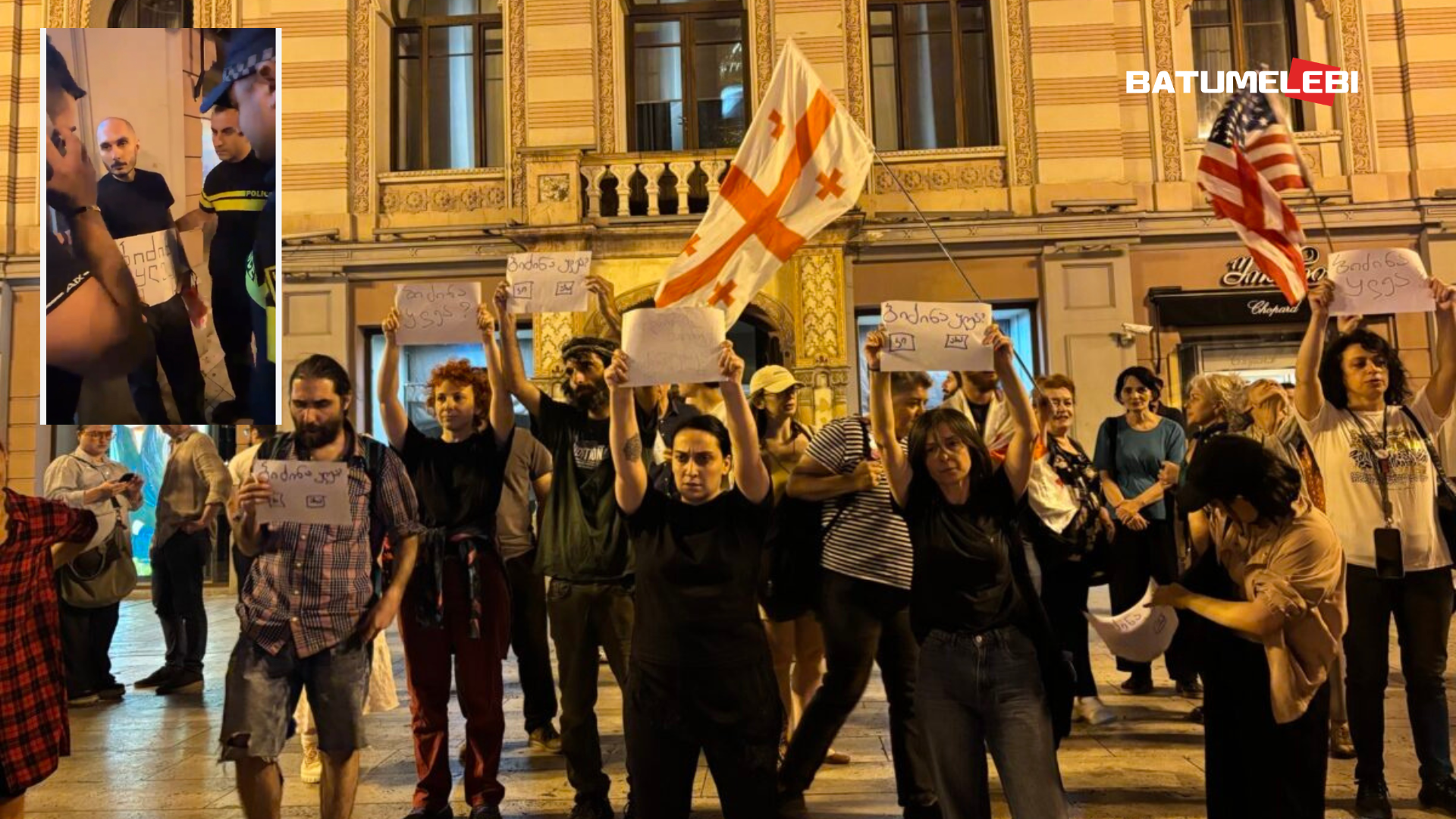
Another detail: in the constitutional complaint seeking to ban opposition parties, Georgian Dream MPs also refer to cases of mistreatment of journalists between 2004 and 2012. Among the names listed is journalist Natia Rokva, who at the time worked for Batumelebi. Unlike dozens of other cases cited in the complaint, Batumelebi itself is not mentioned in this section, as if Rokva were a journalist with no media affiliation.
The complaint also mentions journalist Natia Danelishvili, who at the time worked for the Kakheti Information Center, founded by journalist Gela Mtivlishvili.
A total of 88 Georgian Dream MPs are demanding the banning of three political parties:
- “Unity – United National Movement”
- “Coalition for Change – Gvaramia, Melia, Girchi, Droa”
- “Strong Georgia – Lelo for the People, for Freedom”
“The purpose of the aforementioned political parties’ activities is to overthrow and violently alter Georgia’s constitutional order, undermine its independence, and violate its territorial integrity. We therefore request that the activities of these political parties be declared unconstitutional, the parties be banned, and their registrations canceled,” the Constitutional Complaint concludes.