By decision of Georgian Dream, refusing to recognize constitutional bodies will become a criminal offense.
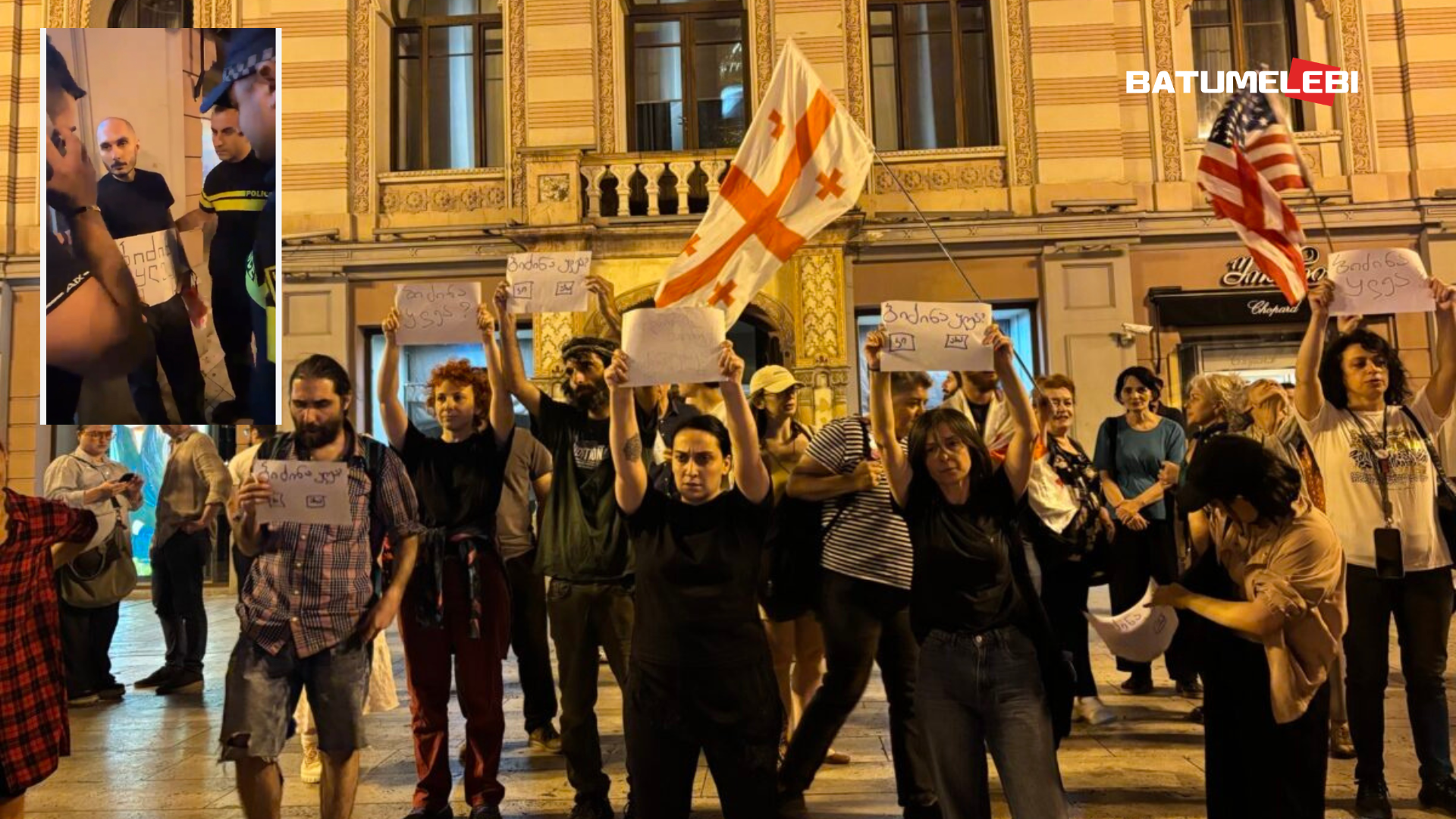
The announcement was made on February 16 during a session of the Legal Affairs Committee in the Georgian Dream parliament, as lawmakers discussed another restrictive amendment to the law on grants. The decision comes amid an ongoing dispute over the legitimacy of the government formed after the 2024 parliamentary elections, the results of which are not recognized by most opposition parties.
According to committee chair and ruling party MP Archil Gorduladze, for non-recognition of constitutional bodies to be punishable, two key elements must be present: the act must be carried out systematically and publicly by a specific individual or legal entity.
“We are faced with a reality in which, before individuals move to calls for [constitutional overthrow], they first attempt to create a perception in society that constitutional bodies do not exist, that there is no legislation, that the will expressed by the Georgian people through the election of parliament does not exist. Ultimately, the purpose of creating this perception is to lay fertile ground for calls to overthrow the government and then to attempt constitutional overthrow,” Gorduladze said.
He added that committing a crime motivated by the non-recognition of Georgia’s constitutional order or constitutional bodies will be considered an aggravating circumstance. In such cases, the imposed sentence must exceed by at least one year the minimum penalty stipulated for the underlying offense.
In addition, Gorduladze said a new Article 316¹ (“316 Prima”) will be added to the Criminal Code — “Extremism Against the Constitutional Order.” The provision would criminalize:
- Systematic and public calls by a Georgian citizen or a stateless person with status in Georgia for mass violations of Georgian legislation;
- For mass disobedience toward Georgian state authorities;
- For the creation of alternative bodies to state authorities;
- Public and systematic self-presentation, or presentation of another person, as a representative of the authorities without authorization;
- Or any other systematic action aimed at establishing the perception that Georgia’s constitutional order or constitutional bodies are illegitimate, if such actions harm Georgia’s interests or create a real threat of such harm.
The proposed penalties include a fine, 400 to 600 hours of community service, or imprisonment for up to three years. Legal entities could face fines or liquidation, Gorduladze said.
Irakli Kobakhidze argued that rejecting the legitimacy of the Georgian Dream government is equivalent to foreign states refusing to recognize Georgia’s authority over its occupied territories:
“[There are countries that] do not recognize the jurisdiction of the Georgian government over 20% of Georgia’s territory. There are five such countries in total — Russia plus four others.
Within the country, there are forces that do not recognize the jurisdiction of the Georgian government over the remaining 80% either. For us, both are equally problematic,” said the Georgian Dream prime minister.