By Ana Kalandadze, Washington, U.S.
The Rise of “Outer Russia”
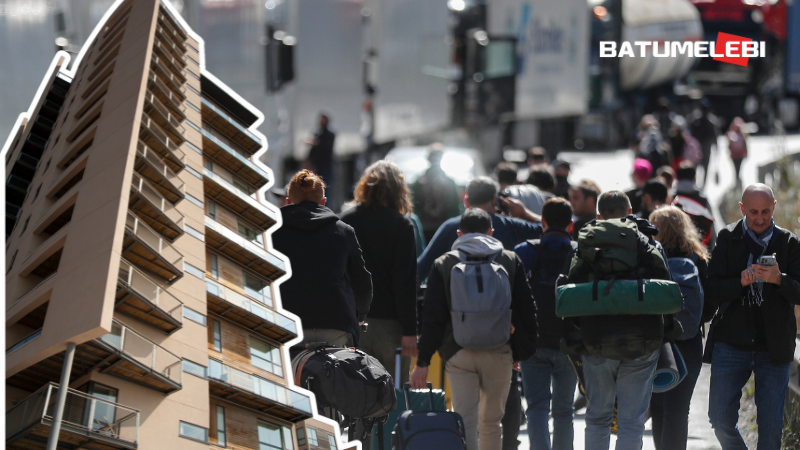
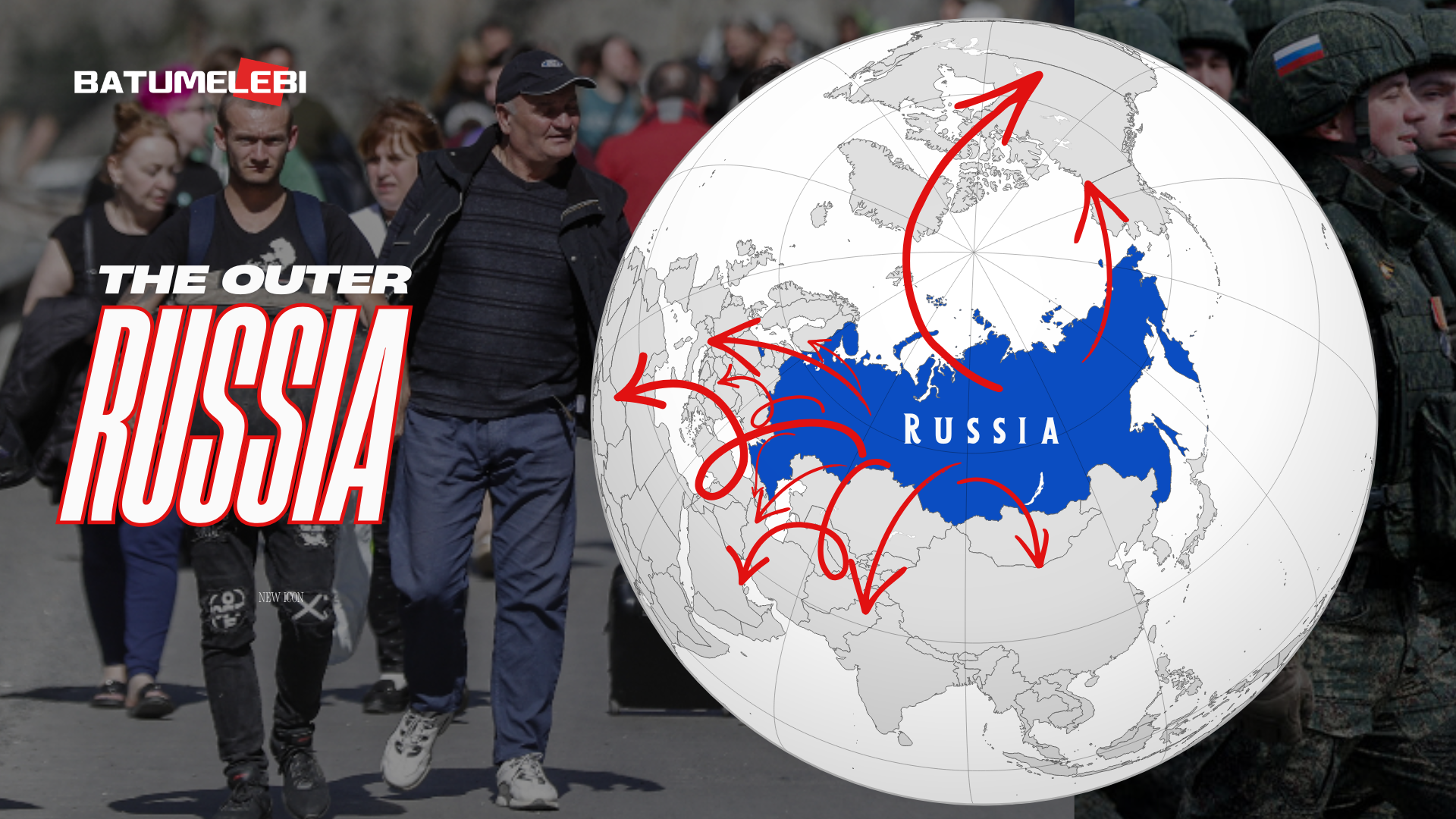
Latest report in a series of Russia Tomorrow examined how a Russian full-scale invasion of Ukraine in 2022 was followed by a massive exodus of Russian artists and cultural leaders abroad. A panel at the Atlantic Council in Washington DC moderated by Brian Whitmore, nonresident senior fellow at the Atlantic Council noted that the war “has moved the center of gravity of Russian culture out of the Russian Federation” while a vibrant, globally connected community of leaders emerged in its place that author Mikhail Zigar called Outer Russia.
A Digitally Connected Diaspora
Unlike past historical emigrations, modern technology keeps this new exile community seamlessly linked across borders.
“It is not only millions of people who left Russia, but the center of gravity of Russian-language culture has left as well,” Zigar explained.
“A lot of people all over the world are on the same page. They are following the same news… listening to the same stand-up comedians or musicians.”
Independent Media as a Bridge
Independent newsrooms operating from European hubs serve as a critical lifeline back into the homeland. Medusa CEO Galina Timchenko noted that 70% of their 15 million readers remain inside Russia, relying on VPNs to bypass censorship.
“We are a bridge between those two Russias,” Timchenko stated. “Putin’s regime… just want to jump back to the Soviet Union. We want to jump into the 21st century. We want to have more freedom.”
The Baltic Experience & Host Cities
Freedom House’s Vytas Jurkonis provided perspective on how host nations, particularly Baltic states like Lithuania, navigate welcoming émigré figures while opposing the Kremlin regime. He highlighted how these exiled artists engage audiences while taking a clear stance against the war:
“Lithuania is combining this clear no to those who support war in Ukraine… but those who give hope, those who have a clear civic position are okay,” Jurkonis explained. “They are showing to the Russian-speaking audience that the other Russia exists, that there are voices who are not afraid to speak up against Putin.”
Domestic Silence vs. Cultural Boom Abroad
Inside Russia, domestic art has largely stalled as artists refuse to produce state propaganda. “A lot of cultural figures in Russia are waiting for this period to end,” Zigar observed. “They are trying not to lose their face.” Meanwhile, émigré writers, directors, and filmmakers are building thriving careers abroad. Zigar recalled a message from the late opposition leader Alexei Navalny, who urged exiled creators to stay active:
“You all need to continue working. You need to integrate, you need to be part of the Western intellectual life.”
The Domestic Void
Timchenko reinforced this stark divide, pointing out that the regime’s retrogressive ideology has left the domestic scene entirely empty. Because authorities offer no compelling future vision and artists inside remain silenced, she argued that nothing of value is being produced inside Russia today.