The Tbilisi City Court granted the Prosecutor’s Office’s motion and ordered the freezing of the bank accounts of seven civil society organizations.
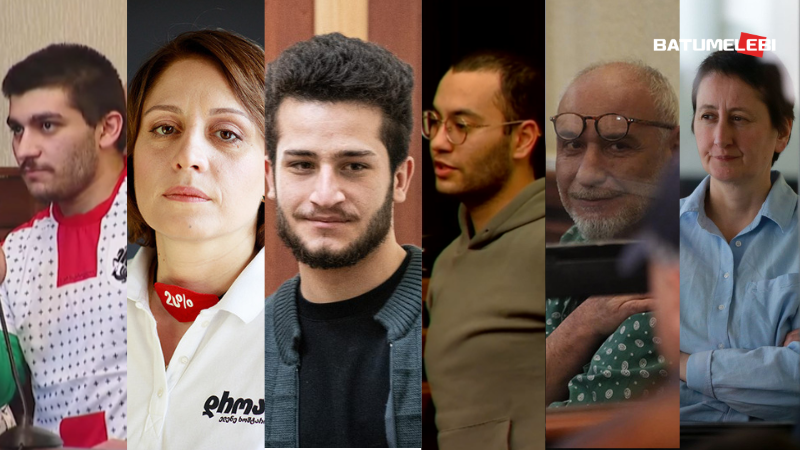
By the court’s decision, the accounts of the following organizations were frozen: the Civil Society Foundation, the International Society for Fair Elections and Democracy, the Institute for the Development of Freedom of Information, Democracy Defenders, the Georgian Democratic Initiative, Sapari, and the Social Justice Center.
The Prosecutor’s Office petitioned the court for this measure within the framework of an ongoing investigation into “sabotage, attempted sabotage under aggravating circumstances, assisting a foreign organization and organizations under foreign control in hostile activities, and mobilizing funds for actions directed against Georgia’s constitutional order and the foundations of national security.”
Specifically, prosecutors argued that during the spring protests, these organizations purchased gas masks, protective goggles, respirators, face coverings, pepper spray, and other equipment for demonstrators.
“The Tbilisi City Court has granted the Prosecutor’s Office’s motion to freeze the bank accounts of several non-governmental organizations, within the framework of an ongoing investigation into acts of sabotage, attempted sabotage under aggravating circumstances, assisting foreign organizations and entities under foreign control in hostile activities, and mobilizing funds for actions directed against Georgia’s constitutional order and the foundations of national security.
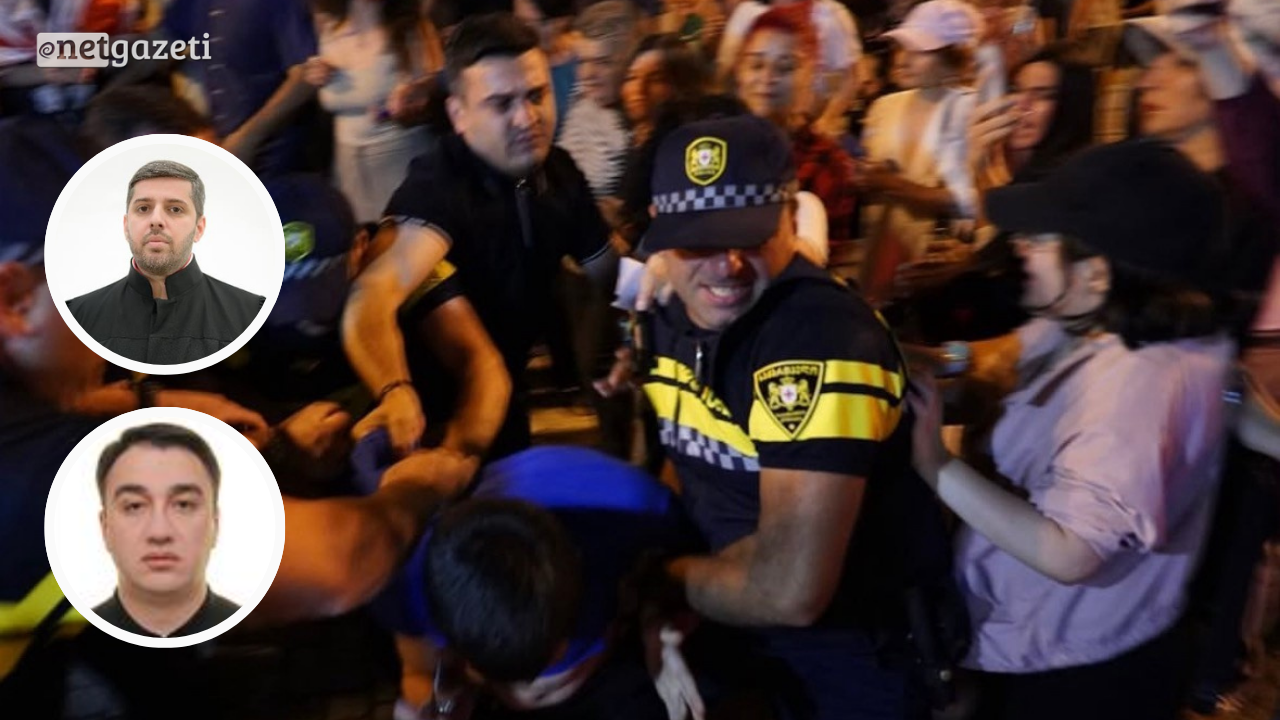
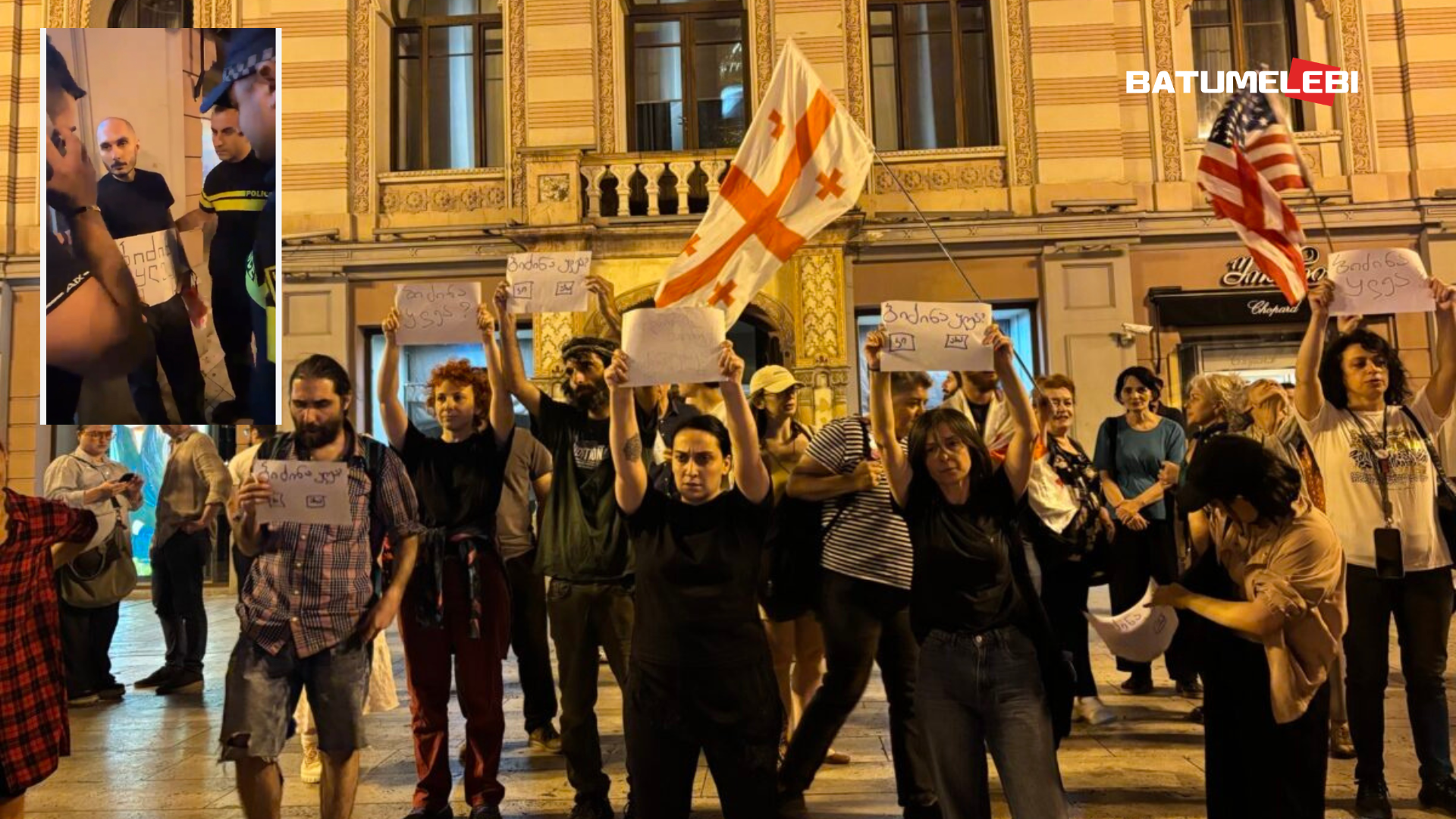
According to the investigation, during 2024, protest rallies were held in front of the Parliament of Georgia and at various locations across the country. Within a short period, these rallies took on a violent character and exceeded the boundaries set by law. Parallel to the ongoing protests, calls by opposition party leaders and certain NGO leaders for mass disobedience and nationwide resistance gradually escalated the rallies into confrontations with police forces, which the investigation found to be organized and deliberate. As a result, violent groups injured dozens of law enforcement officers. Protesters used pyrotechnics, flammable and incendiary substances, including so-called “Molotov cocktails.” Violent groups set fire to the Parliament building, causing significant damage to the legislature. They also set fire to police vehicles and destroyed state and private property on Rustaveli Avenue.
To carry out violent actions against law enforcement effectively, certain protest participants were equipped with gas masks, helmets, face masks, respirators, protective goggles, batons, and other items. Protesters were also repeatedly observed using pepper spray and similar means against police officers.
The investigation determined that the coordinated equipping of protest participants with such special means was financed, in part, by NGOs. Specifically, targeted funds of the Civil Society Foundation, the International Society for Fair Elections and Democracy, the Institute for the Development of Freedom of Information, Defenders of Democracy, the Georgian Democratic Initiative, Sapari, and the Social Justice Center were used to purchase items such as gas masks, protective goggles, respirators, face masks, pepper spray, and other means actively used by protesters during violent clashes with police.
The leaders of these organizations openly called on the public to engage in disobedience and resistance. At the same time, their organizational and financial activities were fully directed toward providing financial protection for individuals involved in violent actions and their family members. This included covering fines, legal defense costs, and other personal or organizational expenses for offenders. The purpose of these actions was twofold: to encourage participation in unlawful activities, and to shield those already engaged in such actions. Ultimately, this coordinated activity aimed to weaken law enforcement agencies and disrupt their normal functioning.
Since the activities of these NGOs went beyond their charter-defined goals and a significant portion of their funding was used to finance unlawful activities, on August 27 the court ordered the freezing of their bank accounts, thereby restricting the further misuse of funds.
The public will be periodically informed about the progress and results of the investigation,” – reads the statement by The Prosecution Service of Georgia.